10 Daily Habits to Support Digestive Health (Without a Diet)
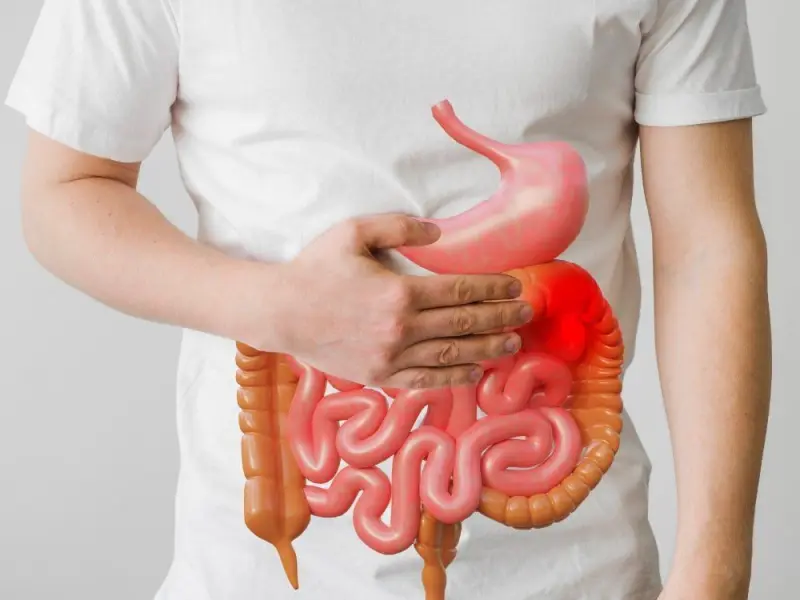
10 Daily Habits to Support Digestive Health (Without a Diet)
Introduction
Digestive health is not just about good digestion or relieving bloating. It is directly related to immunity, sleep, energy, and even mental state.
However, many believe that caring for their gut means depriving themselves of food, following strict diets, or stopping eating everything they love.
The good news?
You don’t need to completely change your diet, nor do you need to take expensive supplements or strange detox drinks. All you need is to incorporate some simple habits into your day to support gut balance and improve digestion naturally.
Start Your Day with a Warm Glass of Water with Lemon
This simple drink helps to:
-
Activate the digestive system
/li> -
Support the production of digestive juices
/li> -
Improve bowel movement
/li>
Tip: Drink it on an empty stomach right after waking up, and wait 15 minutes before breakfast.
Eat Slowly and Chew Well
Did you know that digestion begins in the mouth?
Chewing food well makes it easier for the stomach and intestines to digest and reduces gas and bloating.
-
Try to chew each bite 20–30 times
/li> -
Avoid eating while watching TV or using your phone
/li>
Drink Water Regularly Throughout the Day
Water is key to improving bowel movement and detoxifying.
-
Always carry a water bottle with you
/li> -
Add slices of cucumber or mint to enhance the flavor
/li> -
Do not drink large amounts during meals
/li>
Eat Your Meals at Regular Times
Your digestive system works better when it follows a regular routine.
-
Have breakfast within an hour of waking up
/li> -
Make your main meals at specific times
/li> -
Avoid eating right before bedtime
/li>
Add Fermented Foods to Your Diet (in Moderation)
Fermented foods contain beneficial bacteria that support microbiome balance such as:
-
Natural yogurt
/li> -
Sauerkraut
/li> -
Kefir
/li> -
Miso
/li>
Note: Don’t overdo it suddenly, as it may cause gas or bloating initially.
Exercise Daily
Movement helps improve digestion and activate the intestines.
-
Walk for 20 minutes daily
/li> -
Try light stretching or yoga exercises
/li> -
Take the stairs instead of the elevator
/li>
Even a little movement makes a big difference!
Avoid Using Antibiotics Unnecessarily
Antibiotics can kill harmful bacteria... but they also kill beneficial bacteria in your gut!
If you must take them:
-
Take probiotics after treatment
/li> -
Increase fiber, onions, and garlic (natural prebiotics)
/li> -
Focus on whole foods
/li>
Sleep Well Every Night
Lack of sleep weakens immunity and affects bacterial balance in the gut.
-
Aim for 7–9 hours of sleep each night
/li> -
Reduce phone use before bed
/li> -
Use relaxation techniques like deep breathing or meditation
/li>
Reduce Daily Stress
Chronic psychological stress negatively affects the gut and causes issues like irritable bowel syndrome.
Effective ways to reduce stress:
-
Practice meditation for 10 minutes daily
/li> -
Walk in nature
/li> -
Talk to someone you love
/li> -
Write or journal
/li>
Add Foods Rich in Prebiotics
Prebiotics are the food that beneficial bacteria in your gut feed on.
Natural prebiotic foods:
-
Slightly green bananas
/li> -
Oats
/li> -
Leeks, onions, and garlic
/li> -
Lentils
/li>
Additional Tip: Don’t Obsess Over Healthy Eating
Flexibility in your diet ensures balance.
Excessive obsession can cause anxiety and stress, which harms the gut more than it helps.
It’s okay to have a piece of chocolate
No problem with a fast meal from time to time
What matters is balance and consistency.
Frequently Asked Questions About Gut Health Without a Diet
Can I Improve Gut Health Without Changing My Diet?
Yes, through simple daily habits like good sleep, movement, and drinking water.
How long does it take to see improvements?