A Step Toward Independence: The Importance of Toilet Training for Children
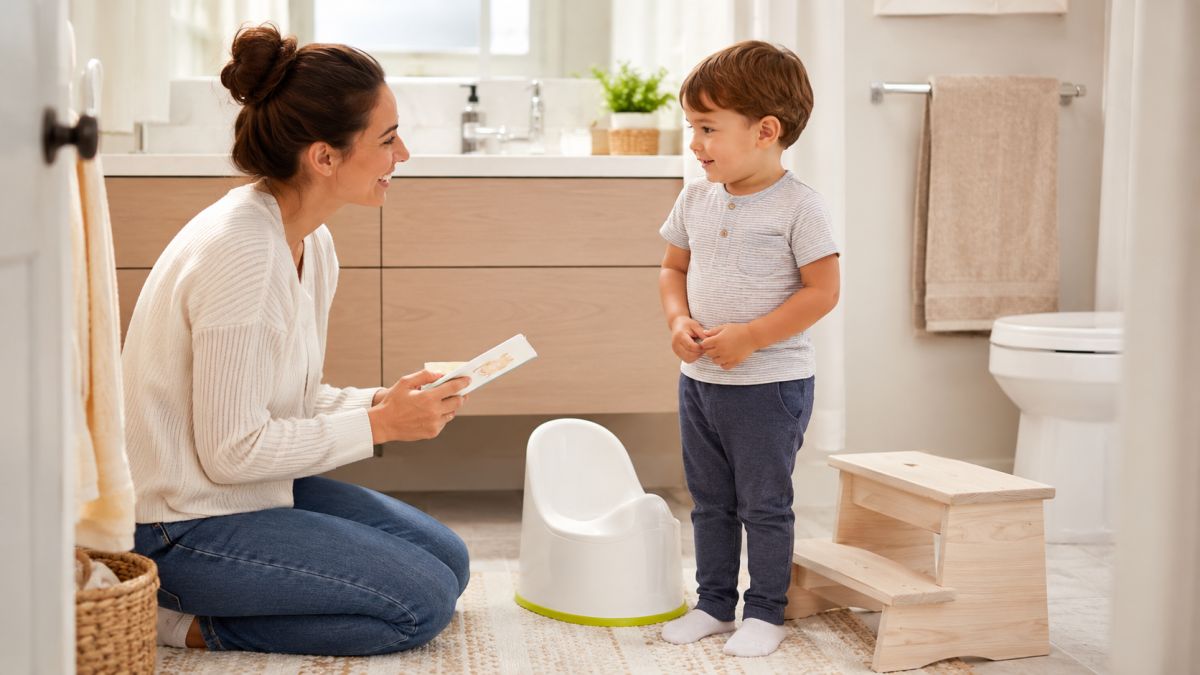
Toilet training is an important stage in a child’s development toward independence. This process gives the child self-confidence and helps them move from early childhood toward a more independent stage. It also contributes to building social skills and supporting the child’s psychological comfort.
When should toilet training begin?
There is no specific age for toilet training, as readiness varies from one child to another depending on physical and psychological development. However, most children are ready for this stage between the ages of two and three years. Signs of readiness include:
- Showing interest in using the toilet.
- Being able to stay dry for longer periods.
- Being able to understand simple instructions.
- Informing parents or caregivers that they want their diaper changed.
Steps for toilet training
- Preparation: Gradually introduce the child to the idea of using the toilet by speaking about it in a positive and encouraging way.
- Buying suitable equipment: Choose a small toilet seat or potty that fits the child and makes them feel comfortable.
- Demonstrating how to use it: Parents or caregivers can practically explain the steps of using the toilet to the child.
- Creating a regular schedule: Set regular times to take the child to the toilet, such as after waking up, before bedtime, and after meals.
- Encouragement and reward: Provide positive support through praise or simple rewards when the child successfully uses the toilet.
- Patience and acceptance: Be patient and avoid pressuring the child if they face difficulty or hesitation.
Challenges and how to deal with them
Parents may face some challenges during the training process, such as the child refusing to use the toilet or having repeated accidents. It is important to deal with these challenges calmly and provide positive support. Parents should understand that this process takes time and that every child progresses at their own pace.
Strengthening the parent-child bond may help make this stage calmer, because children respond better when they feel safe and supported rather than pressured or stressed.
Additional tips
- Choose a suitable time to begin, and avoid major life changes such as moving home or the arrival of a new baby.
- Speak to the child using simple and encouraging language.
- Avoid punishment when accidents happen.
- Consult a specialist if persistent difficulties appear.
It may also be helpful to pay attention to the child’s daily routine, such as sleep, movement, and reducing screen time, because these factors may support the child’s comfort and responsiveness to instructions. Parents can benefit from tips to support children’s health and reduce screen time as part of a more balanced daily environment.
Conclusion
Toilet training is an experience filled with challenges and small successes. It is important for parents to be patient and understanding, while focusing on supporting the child in a positive way that strengthens their self-confidence and ability to achieve this important skill.
Supporting the child’s general health, including nutrition, sleep, and immunity, remains part of helping their development during this stage. Parents may refer to the article on the best vitamins to strengthen children’s immunity to understand the role of a balanced lifestyle in child health.
AI Assisted
Dr. Walid Sarhan