CoQ10: Supplements for Energy Support, Heart Health, and Antioxidant Protection
Coenzyme Q10, known as
CoQ10, is a natural compound that plays a crucial role in energy production within the body's cells. Additionally, it acts as a powerful antioxidant that protects cells from damage caused by free radicals. Due to decreased levels of CoQ10 with aging or certain health conditions, its supplements are a popular choice for supporting heart health, improving energy levels, and combating aging.
Benefits of CoQ10 Supplements for Heart Health and Energy
1. Supporting Heart Health
CoQ10 enhances heart health by:
- Improving energy production in heart cells.
- Reducing oxidative stress associated with heart diseases.
- Supporting patients with heart failure or high blood pressure as part of an integrative treatment plan.
2. Boosting Energy and Vitality
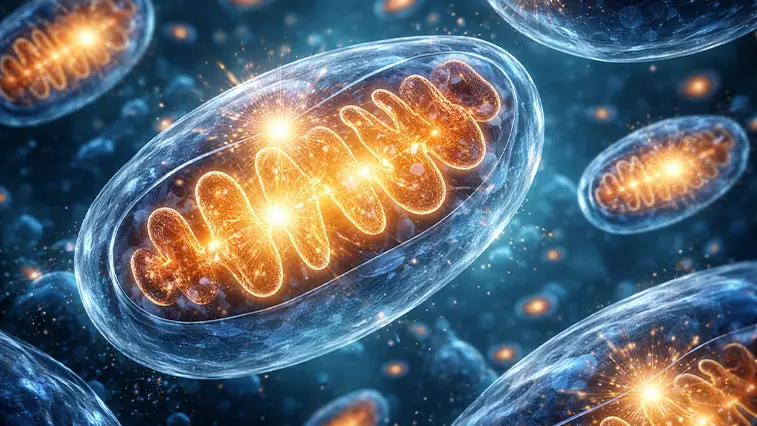
- CoQ10 helps improve mitochondrial function (the energy production centers in cells), which reduces fatigue.
- Effective for individuals suffering from chronic fatigue or low energy due to aging.
3. Antioxidant Protection and Cell Defense
- Thanks to its antioxidant properties, CoQ10 protects cells from damage caused by free radicals.
- Contributes to delaying signs of aging and supports skin health.
4. Improving Women's Fertility
- CoQ10 supports energy production in eggs, which may help improve egg quality and increase chances of conception.
5. Reducing Muscle Pain from Statins
- Statin medications (used to lower cholesterol) can cause a deficiency in CoQ10 levels, leading to muscle pain.
- CoQ10 supplements may help reduce these side effects.
Best Dietary Sources of CoQ10
CoQ10 is found in certain foods, including:
- Organ meats: such as beef and chicken liver and heart, which are among the richest sources.
- Fatty fish: such as salmon, sardines, and mackerel.
- Nuts and seeds: such as pistachios, peanuts, and sesame seeds.
- Vegetables: such as broccoli and spinach, but in smaller amounts compared to animal sources.
Precautions When Using CoQ10 Supplements
1. Digestive Issues
- Supplements may cause mild symptoms such as stomach pain, nausea, diarrhea, or loss of appetite.
- To avoid these symptoms, it is preferable to take CoQ10 with food.
2. Drug Interactions
- CoQ10 may interact with medications such as blood thinners (warfarin) and insulin medications.
- Consult your doctor before starting supplements if you are taking other medications.
3. Appropriate Dosages
- The optimal dosage varies based on age and health condition. It is advisable to consult a specialist to determine the appropriate dosage.
Conclusion
CoQ10 is a multi-benefit dietary supplement that supports heart health, boosts energy levels, and protects cells from damage. By carefully adding it to your daily routine, you can improve your quality of life and support vital body functions. Always remember to consult your doctor before using supplements to ensure maximum benefit safely.
CEDEM CoQ10
CEDEM CoQ10: Fertility Support and Antioxidant for Enhancing Reproductive Health