Benefits of Ginger for Type 2 Diabetes: A Complete Q&A Guide
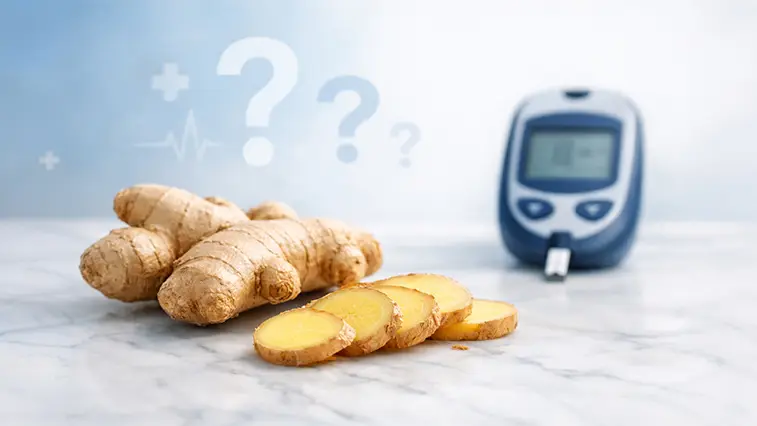
Ginger Benefits for Type 2 Diabetes: Blood Sugar and Insulin Support With Caution
Ginger (Zingiber officinale) is one of the most widely used roots in cooking and traditional wellness practices. In recent years, interest has grown around the ginger benefits for type 2 diabetes, especially its possible effects on blood sugar, insulin sensitivity, inflammation, triglycerides, and metabolic health.
However, one point must be clear from the beginning: ginger does not treat diabetes, cure diabetes, or replace diabetes medication. It may be used as a supportive food within a broader lifestyle plan that includes balanced nutrition, regular movement, blood sugar monitoring, and medical follow-up.
In this guide, we explain how ginger may support people with type 2 diabetes, the best ways to use it, what dose range is more practical, and the key safety warnings for people taking diabetes medications or blood thinners.
Key Takeaways
- Ginger may support some markers of blood sugar control in people with type 2 diabetes, but the effect is usually modest and varies from person to person.
- Ginger should not replace diabetes medication, medical follow-up, or regular blood sugar monitoring.
- Food-based ginger, such as fresh ginger or unsweetened ginger tea, is generally a better starting point than concentrated supplements.
- Ginger supplements require caution if you take insulin, glucose-lowering medications, blood thinners, or antiplatelet medicines.
- The best results come from using ginger as part of a complete lifestyle plan, not as a standalone solution.
Why Are People With Type 2 Diabetes Interested in Ginger?
Type 2 diabetes is commonly linked with insulin resistance, high blood sugar, abnormal blood lipids, excess body weight, and a higher risk of cardiovascular disease. Because of this, many people look for foods and herbs that may support metabolic health alongside medical treatment.
Ginger is popular because it contains active plant compounds that may influence inflammation, oxidative stress, digestion, and some markers of glucose metabolism. For a broader food-first approach, you can read Vitaminati’s guide on nutrition therapy for type 2 diabetes.
Still, expectations should stay realistic. Ginger may support some markers, but it does not guarantee lower blood sugar and it does not work the same way for everyone.
What Is Ginger?
Ginger is the underground stem, or rhizome, of the plant Zingiber officinale. It can be used fresh, dried, powdered, brewed as tea, or taken in supplement form. You can also explore Vitaminati’s ginger herb page for a wider overview of its uses.
Ginger’s potential effects come from several natural compounds, especially gingerols, shogaols, and zingerone.
| Compound | Possible Role | Important Note |
|---|---|---|
| Gingerols | Plant compounds with antioxidant and anti-inflammatory properties. | Usually found in higher amounts in fresh ginger. |
| Shogaols | May contribute to some anti-inflammatory effects. | Often increase when ginger is dried or heated. |
| Zingerone | An aromatic compound that may contribute to digestive effects. | It should not be linked alone to blood sugar reduction. |
How May Ginger Support Blood Sugar Control?
Some studies suggest that ginger may help improve selected markers of glycemic control in people with type 2 diabetes, especially when used consistently over time. However, study quality, dose, duration, and participant health status vary, so the evidence should be interpreted carefully.
Ginger may work through several possible pathways:
- Supporting glucose uptake into cells.
- Improving some markers related to insulin sensitivity.
- Reducing selected inflammatory markers linked with insulin resistance.
- Supporting lipid markers that are often connected to metabolic and heart health.
This does not mean every person will notice a clear change. The effect may depend on diet quality, body weight, physical activity, medications, baseline blood sugar control, and the form or amount of ginger used.
Can Ginger Lower HbA1c?
HbA1c reflects average blood sugar levels over roughly the previous two to three months. Some clinical studies and reviews suggest that ginger may help reduce HbA1c modestly in some people with type 2 diabetes.
This does not make ginger a stand-alone diabetes treatment. It is better understood as a supportive dietary ingredient that may complement a plan based on lower added sugar intake, higher fiber intake, regular movement, prescribed medication when needed, and medical supervision.
If you take insulin or glucose-lowering medication, do not add high-dose ginger supplements without professional guidance. Combining several blood-sugar-lowering factors may increase the risk of hypoglycemia in some people.
Can Ginger Improve Insulin Sensitivity?
Insulin resistance is a major feature of type 2 diabetes. When cells become less responsive to insulin, glucose remains higher in the blood. Some research suggests that ginger may improve selected markers related to insulin sensitivity, such as fasting insulin or HOMA-IR, but findings are not identical across all studies.
Improving insulin sensitivity does not depend on ginger alone. The strongest lifestyle factors usually include weight management when needed, a fiber-rich diet, reduced intake of highly processed carbohydrates, regular physical activity, and good sleep.
For practical food choices, Vitaminati’s guide to smart eating for type 2 diabetes can help place ginger within a complete nutrition plan.
Can Ginger Support Cholesterol and Triglycerides?
People with type 2 diabetes are more likely to have lipid abnormalities, such as high triglycerides, elevated LDL cholesterol, or low HDL cholesterol. Some studies suggest ginger may support certain lipid markers, but it should not replace dietary changes or prescribed cholesterol medication when needed.
| Marker | Possible Effect of Ginger | What Matters More |
|---|---|---|
| Triglycerides | May decrease slightly in some people. | Reducing added sugar and refined carbohydrates is often more important. |
| LDL cholesterol | May show modest improvement in some studies. | It does not replace cholesterol medication if prescribed. |
| HDL cholesterol | May improve alongside broader lifestyle changes. | Exercise and weight management are key factors. |
| Heart risk | May support metabolic health indirectly. | People with diabetes need regular cardiovascular risk monitoring. |
Because type 2 diabetes and cardiovascular health are closely connected, you may also want to read Vitaminati’s guide to coronary artery disease causes, symptoms, and prevention tips.
Does Ginger Help With Weight Management in Type 2 Diabetes?
Excess body weight can increase insulin resistance. Ginger may help indirectly because it adds strong flavor to meals without sugar, heavy sauces, or high-calorie dressings. It may also support digestion for some people.
However, there is no reliable rule that drinking ginger tea alone leads to a specific amount of weight loss. Weight management depends on total calorie intake, food quality, physical activity, sleep, hormones, medications, and long-term consistency.
For this reason, ginger can be used in meals or unsweetened drinks, but it should not be marketed as a quick weight-loss solution.
How Does Ginger Relate to Inflammation and Oxidative Stress?
Long-term high blood sugar can increase oxidative stress, which is one factor linked to diabetes complications affecting blood vessels, nerves, kidneys, and eyes. Ginger contains antioxidant compounds that may support the body’s natural defense systems.
Low-grade chronic inflammation is also linked with insulin resistance, obesity, and type 2 diabetes. Ginger may be useful as part of an anti-inflammatory eating pattern, not as a single isolated ingredient.
An anti-inflammatory pattern usually includes vegetables, legumes, whole grains, fish, olive oil, nuts, and natural herbs and spices. If you are comparing anti-inflammatory herbs, you may also find Vitaminati’s guide on turmeric with black pepper helpful.
Best Ways to Use Ginger for Type 2 Diabetes
Ginger can be added to the diet in simple ways, but people with diabetes should avoid adding sugar or large amounts of honey to ginger drinks. Moderate food-based use is usually the safest starting point.
| Method | How to Use It | Suitable for Type 2 Diabetes? |
|---|---|---|
| Ginger tea | Steep fresh ginger slices in hot water. | Yes, if unsweetened. |
| Fresh ginger | Add grated ginger to soups, salads, vegetables, fish, or chicken. | Yes, as part of balanced meals. |
| Ginger powder | Use as a spice in food or drinks. | Yes, in moderate culinary amounts. |
| Ginger supplements | Capsules or extracts with concentrated doses. | Use only with medical guidance if you take medication. |
If you enjoy herbal drinks, Vitaminati’s guide to the best herbal teas for stress, digestion, and immunity can help you choose unsweetened options more wisely.
What Is a Practical Ginger Dose for People With Diabetes?
There is no single ginger dose that works for everyone. The right amount depends on the form used, health status, medications, and digestive tolerance. For many people, culinary ginger or one cup of unsweetened ginger tea is a more practical starting point than supplements.
- Fresh ginger: A small amount in food or tea may be suitable for many people.
- Ginger tea: One unsweetened cup daily can be a reasonable starting point.
- Ginger powder: Use in moderate culinary amounts as a spice.
- Supplements: Avoid high doses unless a healthcare professional recommends them.
If you experience heartburn, stomach pain, diarrhea, mouth or throat irritation, dizziness, sweating, shaking, or symptoms that may suggest low blood sugar, reduce the amount and seek professional advice.
Ginger With Cinnamon or Turmeric: Is the Combination Useful?
Cinnamon, turmeric, and ginger are often discussed together for blood sugar, inflammation, and metabolic health. Using them in food in moderate amounts may be suitable for many people. However, combining concentrated supplements without medical supervision may increase the risk of side effects or interactions.
| Ingredient | Possible Role | Main Caution |
|---|---|---|
| Ginger | May support blood sugar, lipids, inflammation, and digestion. | Use caution with diabetes medications and blood thinners. |
| Cinnamon | May support post-meal blood sugar control in some people. | High intake of some types may increase coumarin exposure. |
| Turmeric | Supports inflammation-related pathways through curcumin. | Use caution with gallbladder problems, blood thinners, and concentrated supplements. |
The key difference is food use versus supplement use. Small culinary amounts are not the same as concentrated capsules or extracts.
Ginger Side Effects and Safety Warnings for Type 2 Diabetes
Ginger is generally well tolerated when used in moderate food amounts, but it may cause side effects or interactions in some people, especially in concentrated supplement form.
| Possible Issue | What May Happen? | Who Should Be Careful? |
|---|---|---|
| Digestive discomfort | Heartburn, gas, stomach pain, diarrhea, or mouth/throat irritation. | People with reflux or sensitive stomachs. |
| Low blood sugar risk | High doses may increase the effect of glucose-lowering medicines in some people. | People using insulin, sulfonylureas, or strong glucose-lowering medicines. |
| Bleeding risk | Extra caution may be needed with blood thinners or antiplatelet drugs. | People taking warfarin, aspirin, clopidogrel, or anticoagulants. |
| Pregnancy and breastfeeding | Safety depends on dose, product type, and personal health status. | Pregnant or breastfeeding women, especially with gestational diabetes or medication use. |
| Surgery or dental procedures | Concentrated supplements may be inappropriate before some procedures. | People scheduled for surgery or invasive dental work. |
Who Should Ask a Doctor Before Taking Ginger Supplements?
- People with diabetes who use insulin or glucose-lowering medication.
- People taking blood thinners, aspirin, or antiplatelet medicines.
- People with severe reflux, stomach ulcers, or sensitive digestion.
- People with gallstones or biliary problems.
- Pregnant or breastfeeding women.
- People scheduled for surgery or dental procedures.
- People taking several herbal supplements at the same time.
- People with chronic medical conditions or multiple daily medications.
How to Use Ginger in a Diabetes-Friendly Diet
The best approach is to use ginger as a natural flavor enhancer instead of sugar, sweet sauces, or high-calorie dressings. The goal is not to depend on ginger alone, but to use it within balanced meals that support more stable blood sugar.
- Add grated ginger to lentil soup or vegetable soup.
- Use ginger with fish, chicken, or roasted vegetables.
- Drink unsweetened ginger tea with lemon.
- Add ginger to olive oil and vinegar dressing instead of ready-made sauces.
- Avoid adding sugar or honey to ginger tea if you have diabetes.
- Monitor blood sugar when introducing any new supplement, especially if you take diabetes medication.
Can Ginger Replace Diabetes Medication?
No. Ginger cannot replace diabetes medication, blood sugar monitoring, medical follow-up, or a personalized care plan. Even if some markers improve in some people, type 2 diabetes remains a chronic condition that requires structured management.
Using ginger correctly means adding it to food or unsweetened drinks in moderation, monitoring blood sugar when needed, and asking a healthcare professional before using concentrated supplements.
Conclusion: Ginger Is Supportive, Not a Diabetes Treatment
Ginger benefits for type 2 diabetes may include modest support for blood sugar, HbA1c, insulin sensitivity, lipid balance, and inflammation. But ginger does not treat diabetes and should not replace medical care.
The best use of ginger is as part of a balanced diet, especially in food or unsweetened tea. Ginger supplements should be used carefully, especially by people taking diabetes medications or blood thinners.
The golden rule is simple: use ginger as part of a healthy lifestyle, not as a substitute for medication, blood sugar monitoring, or your doctor’s plan.
Frequently Asked Questions About Ginger and Diabetes
Is ginger good for people with type 2 diabetes?
Ginger may support some blood sugar and inflammation markers, but it is not a diabetes treatment and should not replace medication or medical care.
Does ginger lower blood sugar?
Some studies suggest ginger may improve HbA1c or insulin sensitivity in some people, but the effect varies and should not be relied on alone.
Is ginger tea safe every day for people with diabetes?
One cup of unsweetened ginger tea daily may be suitable for many people, but tolerance and blood sugar response should be monitored, especially with medication use.
Can I take ginger with diabetes medication?
Food-based ginger is usually easier to include, but concentrated ginger supplements may increase the effect of some glucose-lowering medications. Ask your healthcare provider first.
Can ginger cause low blood sugar?
This is uncommon with normal food amounts, but high-dose supplements may increase the risk when combined with insulin or strong glucose-lowering medications.
Is ginger safe with blood thinners?
People taking warfarin, aspirin, clopidogrel, or other anticoagulants should speak with a healthcare professional before using ginger supplements.
Is fresh ginger better than dried ginger?
Both can be useful. Fresh ginger usually contains more gingerols, while dried ginger may contain more shogaols.
Can people with diabetes add honey to ginger tea?
It is better to avoid honey or sugar because they can raise blood sugar. Lemon or a small amount of cinnamon can be used for flavor instead.
Scientific References
- NCCIH – Ginger: Usefulness and Safety
- Dietary Ginger as a Traditional Therapy for Blood Sugar Control in Patients With Type 2 Diabetes Mellitus
- The Effects of Ginger on Fasting Blood Sugar, Hemoglobin A1c, and Lipid Profiles in Patients With Type 2 Diabetes
- The Effect of Oral Supplementation of Ginger on Glycemic Control in People With Type 2 Diabetes
- American Diabetes Association – Standards of Care in Diabetes
Medical disclaimer: This article is for general educational purposes only and does not replace medical advice. If you have diabetes, take glucose-lowering medication, use blood thinners, are pregnant or breastfeeding, or have a chronic medical condition, consult a healthcare professional before using ginger supplements.