Benefits of Hibiscus for Lowering Blood Pressure and Supporting Heart Health
Hibiscus Benefits for Blood Pressure and Heart Health: What Science Says
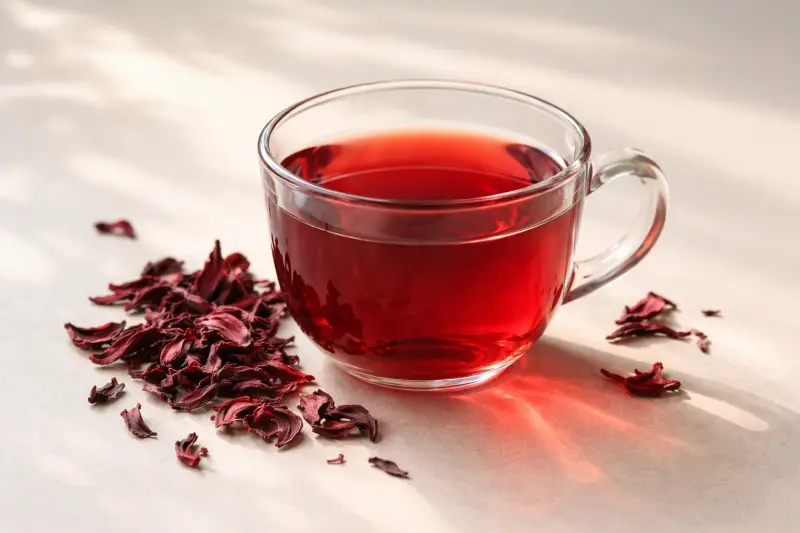
Hibiscus benefits are most often discussed in relation to blood pressure, heart health, and antioxidant support. Hibiscus tea, made mainly from the red calyces of Hibiscus sabdariffa, is known for its deep red color, tart flavor, and long history of use in traditional wellness practices.
Research suggests that hibiscus tea may modestly support healthy blood pressure in some people, especially when used as part of a broader heart-healthy lifestyle. However, hibiscus is not a treatment for hypertension, does not replace prescribed medication, and should be used carefully by people taking blood pressure drugs or diuretics.
In this article, we explain the potential benefits of hibiscus tea, how it may support blood pressure and cardiovascular wellness, the difference between hot and cold hibiscus tea, and the key safety precautions you should know before using it regularly.
What Is Hibiscus?
Hibiscus is a flowering plant from the mallow family. The part most commonly used for tea is the red, fleshy calyx of Hibiscus sabdariffa, sometimes called roselle. This is the part responsible for the tea’s ruby color and pleasantly sour taste.
Hibiscus tea is popular in Egypt, Sudan, West Africa, the Levant, parts of Asia, and many other regions. It is consumed hot or cold and is often used as a caffeine-free herbal drink.
It is important to distinguish between ornamental hibiscus plants and Hibiscus sabdariffa, the species most commonly used in hibiscus tea and supplements. If you are buying a supplement or herbal tea, check the botanical name on the label.
If you are exploring natural ingredients that may support cardiovascular wellness, you may also find Vitaminati’s guide to hawthorn benefits for heart health useful as a related herbal-support article.
Hibiscus Benefits for Blood Pressure
The relationship between hibiscus and blood pressure is one of the most studied areas of this herb. Some clinical studies and reviews suggest that regular hibiscus tea consumption may help lower systolic and diastolic blood pressure modestly in some adults.
Still, the effect is not equivalent to medical treatment. Hibiscus should not be used as a substitute for prescribed blood pressure medication, especially in people diagnosed with hypertension or cardiovascular disease.
| Question | Practical Answer |
|---|---|
| Can hibiscus help lower blood pressure? | It may modestly support blood pressure reduction in some people, especially when used consistently with healthy lifestyle habits. |
| Can hibiscus replace medication? | No. It should not replace prescribed blood pressure medication or medical care. |
| Who should be careful? | People with low blood pressure, those taking antihypertensive drugs, diuretics, diabetes medication, pregnant women, and breastfeeding women. |
| Best use | As a supportive herbal drink within a healthy diet, not as a stand-alone treatment. |
How May Hibiscus Support Blood Pressure?
Hibiscus contains several plant compounds that may influence blood vessel function, fluid balance, and oxidative stress. These include anthocyanins, flavonoids, organic acids, and other polyphenols.
1. It May Support Blood Vessel Relaxation
Some compounds in hibiscus may help support the relaxation of blood vessels. When blood vessels are more relaxed, blood can flow more easily, which may contribute to healthier blood pressure levels.
This does not mean hibiscus opens blocked arteries or treats atherosclerosis. Blood vessel health depends on a much broader plan that includes diet, movement, cholesterol control, smoking avoidance, and medical follow-up when needed.
For another food-based ingredient often discussed in cardiovascular wellness, you can read Vitaminati’s article on garlic benefits for heart health.
2. It May Have a Mild Diuretic Effect
Hibiscus may have a mild diuretic effect, meaning it may help the body eliminate some excess water and sodium. This could partly explain why hibiscus tea is studied for blood pressure support.
However, this also creates a safety concern. If you take diuretic medication or blood pressure medication, combining it with hibiscus may increase the risk of low blood pressure, dizziness, or dehydration.
3. It Provides Antioxidant Compounds
Hibiscus is rich in antioxidants, especially anthocyanins, which give the tea its red color. Antioxidants help protect cells from oxidative stress, which is involved in vascular aging and cardiovascular strain.
For broader antioxidant nutrition, Vitaminati’s guide on vitamin C and immune support explains how antioxidant nutrients work in the body.
4. It May Support Inflammatory Balance
Chronic low-grade inflammation may contribute to cardiovascular stress. Hibiscus polyphenols are studied for their potential role in supporting inflammatory balance, although more research is needed to define clear clinical effects.
If you are comparing herbs used in heart-support discussions, you may also read Vitaminati’s article on basil benefits for heart health and blood pressure.
Hibiscus and Heart Health
Heart health depends on many factors: blood pressure, cholesterol, blood sugar, inflammation, oxidative stress, weight, physical activity, sleep, and smoking status. Hibiscus may support some of these areas indirectly, but it is not a complete solution on its own.
| Potential Area | How Hibiscus May Help | Important Note |
|---|---|---|
| Blood pressure | May modestly support lower blood pressure in some people. | Not a replacement for antihypertensive medication. |
| Blood vessel function | May support vessel relaxation and circulation. | Does not treat blocked arteries. |
| Oxidative stress | Contains anthocyanins and flavonoids. | Best used within a varied antioxidant-rich diet. |
| Fluid balance | May act as a mild diuretic. | Caution is needed with diuretics and blood pressure drugs. |
Hot vs. Cold Hibiscus Tea: Which Is Better?
Hibiscus can be consumed hot or cold. The better option depends mostly on taste, climate, and how it is prepared. From a health perspective, the most important factor is avoiding excessive added sugar.
Hot Hibiscus Tea
Hot hibiscus tea is prepared by steeping dried hibiscus in hot water for several minutes. It is a good caffeine-free option for people who want a warm herbal drink.
Cold Hibiscus Tea
Cold hibiscus tea is popular in warm climates and is often served chilled. However, it can become less healthy if prepared with large amounts of sugar or syrup.
| Type | Benefit | What to Watch |
|---|---|---|
| Hot hibiscus tea | Easy to prepare and suitable as a warm herbal drink. | Avoid over-boiling if it becomes too strong or irritating to the stomach. |
| Cold hibiscus tea | Refreshing and suitable for hot weather. | Avoid high sugar additions. |
How to Use Hibiscus Tea Safely
Most healthy adults can drink hibiscus tea in moderate amounts as part of a balanced diet. However, people with chronic conditions or those taking medications should be more cautious.
- Start with a small amount if you are new to hibiscus.
- Avoid adding too much sugar.
- Do not use hibiscus instead of blood pressure medication.
- Monitor your blood pressure if you have high or low blood pressure.
- Ask your doctor before regular use if you take blood pressure medication, diuretics, diabetes medication, or blood thinners.
If you use herbal supplements or vitamins, understanding labels is essential. Vitaminati’s guide on how to read vitamin and supplement labels can help you check dose, ingredients, and safety information more carefully.
Hibiscus Side Effects and Safety Precautions
Hibiscus tea is usually well tolerated when used as a food-like beverage in moderate amounts. However, concentrated extracts, supplements, or frequent high intake may not be appropriate for everyone.
| Group | Why Caution Is Needed | Practical Advice |
|---|---|---|
| People with low blood pressure | Hibiscus may lower blood pressure further. | Avoid regular use unless approved by a healthcare professional. |
| People taking blood pressure medication | It may add to the effect of medication. | Consult your doctor before using hibiscus regularly. |
| People taking diuretics | It may increase fluid loss or dizziness. | Do not combine without medical guidance. |
| Pregnant or breastfeeding women | Safety of higher intakes or extracts is uncertain. | Avoid concentrated supplements and ask a healthcare professional. |
| People with liver or kidney disease | Concentrated extracts may not be suitable. | Use only with professional guidance. |
Hibiscus Drug Interactions
Hibiscus may interact with some medications. Tell your doctor or pharmacist about all herbal products and supplements you use, not only prescription drugs.
- Blood pressure medications: Hibiscus may increase the blood-pressure-lowering effect.
- Diuretics: It may increase the risk of dizziness or fluid imbalance.
- Diabetes medications: Caution is needed if hibiscus affects blood sugar in some people.
- Medications processed by the liver: Ask a healthcare professional before using concentrated hibiscus extracts.
Hibiscus Is Not a Stand-Alone Treatment for Hypertension
One of the most common mistakes is treating hibiscus tea as a natural replacement for blood pressure medication. This is not safe. High blood pressure can increase the risk of heart disease, stroke, kidney disease, and other complications if not managed correctly.
Hibiscus may fit into a supportive lifestyle, but blood pressure control usually depends on:
- Reducing excess salt intake.
- Eating more vegetables, fruits, legumes, and whole grains.
- Maintaining a healthy weight.
- Moving regularly.
- Sleeping well.
- Managing stress.
- Taking prescribed medication when needed.
For readers who want to understand how nutrition and micronutrients work together, Vitaminati’s article on water-soluble and fat-soluble vitamins provides a useful foundation.
Conclusion: Is Hibiscus Good for Blood Pressure and Heart Health?
Hibiscus tea can be a useful herbal drink within a heart-healthy lifestyle. Its anthocyanins, flavonoids, and antioxidant compounds may help support blood pressure balance and vascular wellness in some people.
However, hibiscus is not a cure, treatment, or replacement for hypertension medication. If you take blood pressure medication, have low blood pressure, use diuretics, or are pregnant or breastfeeding, speak with a healthcare professional before drinking hibiscus regularly or using concentrated extracts.
For related herbal-support reading, explore Vitaminati’s guides on hawthorn, garlic, and basil for heart-related wellness topics.
FAQs About Hibiscus Benefits
Does hibiscus tea lower blood pressure?
Hibiscus tea may modestly lower blood pressure in some people, but it is not a substitute for prescribed blood pressure medication.
Is hot hibiscus better than cold hibiscus?
Both can be suitable. The main issue is preparation: avoid adding too much sugar, especially if you are watching blood pressure, weight, or blood sugar.
Can I drink hibiscus tea every day?
Some healthy adults may tolerate moderate daily intake, but people taking blood pressure medication or those with low blood pressure should consult a doctor first.
Is hibiscus safe during pregnancy?
High intakes or hibiscus supplements are not recommended during pregnancy without medical guidance because safety is uncertain.
Can hibiscus interact with blood pressure medication?
Yes. Hibiscus may add to the effect of blood pressure medication and increase the risk of low blood pressure.
Is hibiscus good for the heart?
Hibiscus may support heart health indirectly through antioxidant compounds and modest blood pressure support, but it does not treat heart disease or blocked arteries.