Benefits of Hibiscus for the Body: What Are Its Most Common Health Uses?
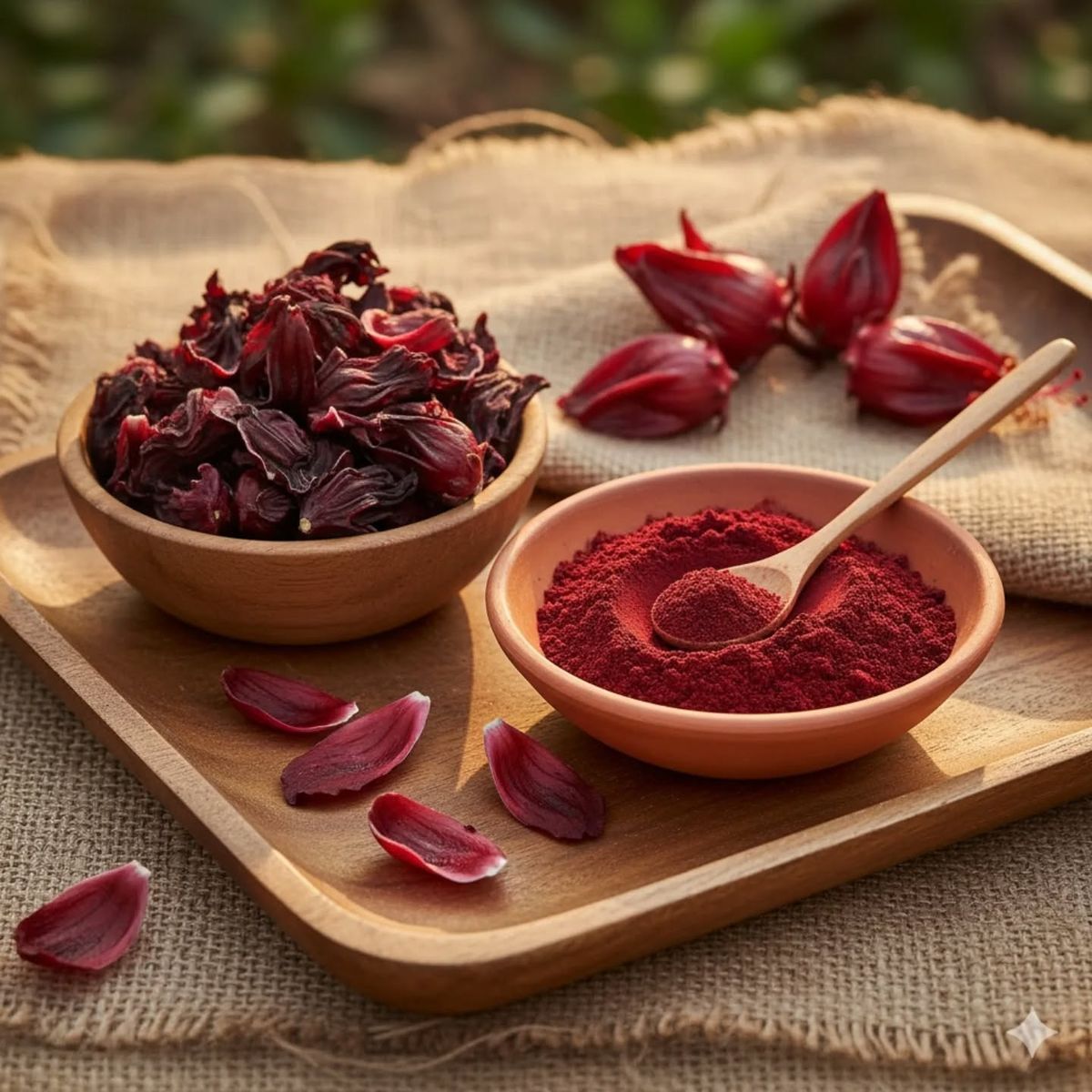
The Importance of Hibiscus:
How Hibiscus Works in the Body or at the Functional Level
- Vasodilation: It helps lower mild blood pressure through its vasodilatory effects.
- Antioxidants: Protect cells from oxidative stress and reduce tissue damage, contributing to the prevention of heart diseases and premature aging.
- Improved Digestion: Organic acids and flavonoids help soothe the stomach and improve bowel movement.
- Regulation of Fats and Sugars: Some studies suggest its ability to lower harmful cholesterol and improve blood sugar control moderately.
- Anti-inflammatory Effect: Reduces mild inflammation in the body, supporting overall health.
Benefits of Hibiscus:
The Most Common Benefits of Hibiscus
- Lowering Blood Pressure: Helps improve systolic and diastolic blood pressure in individuals with mild to moderate hypertension.
- Supporting Heart Health: Reduces oxidative stress and improves vascular elasticity.
- Enhancing Digestion: Improves bowel movement and alleviates bloating and mild stomach irritation.
- Antioxidant: Protects cells from oxidative damage and boosts the body's immunity.
- Controlling Fats and Sugars: Contributes to improving cholesterol and blood sugar levels moderately.
The Importance of Hibiscus:
Hibiscus and Supporting General Health: What to Expect Realistically
- Mild blood pressure reduction.
- Support for cardiovascular health.
- Improvement in digestion and liver function to a slight extent.
- Enhancement of protection against free radicals and reduction of mild inflammation.
It is important to recognize that results vary among individuals and depend on dosage, method of use, and duration of use.
Do the Benefits of Hibiscus Vary by Method of Use?
- Hibiscus Tea: Suitable for light daily use and provides general benefits.
- Hibiscus Juice: Offers a higher concentration of active compounds but may contain added sugars.
- Dietary Supplements: Provide consistent and concentrated doses, suitable for more precise support for blood pressure and overall health.
Groups That May Benefit Most from Hibiscus
- Individuals with mild to moderate hypertension.
- Those looking to improve cardiovascular health.
- People seeking a drink rich in antioxidants as part of a healthy lifestyle.
- Individuals experiencing mild digestive issues who want natural support for their digestive system.
When Might Results from Hibiscus Use Appear?
- Blood Pressure: Typically within two to four weeks of regular use.
- Digestion and General Comfort: Improvement may be noticed within a few days of regularly drinking tea or juice.
- Antioxidant Effect: Appears cumulatively with long-term and continuous use.
Is Food or Tea Sufficient, or Is Supplementation Preferred?
- Tea or Juice: Suitable for most people seeking daily and healthy support.
- Dietary Supplements: Preferred for those needing precise and concentrated doses to target blood pressure or overall health.
Common Mistakes That Reduce the Benefits of Hibiscus
- Drinking it with added sugars that diminish health benefits.
- Using low-quality or expired products.
- Expecting rapid effects without continuous use.
- Ignoring the recommended daily dosage or overconsuming it.
- Failing to diversify with a healthy and balanced diet.
Are There Precautions for Regular Use?
- Blood pressure should be monitored to avoid excessive drops.
- Individuals taking medications for blood pressure or diabetes should consult a doctor before regular use.
- Pregnant and breastfeeding women should use it cautiously and under medical supervision.
- Excessive use may lead to mild digestive disturbances such as gas or diarrhea.
Frequently Asked Questions About Hibiscus Benefits
Q: Does hibiscus completely cure high blood pressure?
A: No, hibiscus helps lower mild blood pressure but is not a substitute for medications in severe cases.
Q: Can hibiscus tea be consumed daily?
A: Yes, typically two to three cups a day are safe for healthy adults.
Q: Is there a difference in benefits between tea, juice, and supplements?
A: Supplements provide a concentrated and consistent dose, while tea and juice are suitable for general daily use.
Q: Is hibiscus safe for pregnant women?
A: It is advisable to consult a doctor before internal use during pregnancy to avoid any potential effects on the pregnancy.
Conclusion:
Hibiscus is a natural plant rich in active compounds that support blood pressure, heart health, digestion, and immunity. The effectiveness depends on the method of use, dosage, product quality, and selecting the most suitable form according to personal goals ensures optimal benefits from its health properties.
Reliable Scientific Sources • World Health Organization • National Institutes of Health • European Food Safety Authority • Office of Dietary Supplements