Benefits of Mullein for the Respiratory System: Supporting Lung Health and Alleviating Respiratory Symptoms
Mullein Benefits for Respiratory Health: Traditional Support for Cough, Mucus, and Throat Comfort
Mullein, also known as Verbascum, is a traditional respiratory herb commonly associated with cough, throat irritation, and mucus support. The species Verbascum densiflorum, along with related species such as Verbascum thapsus and Verbascum phlomoides, has been used historically in herbal preparations for the upper respiratory tract.
It is important to clarify that mullein is not hawthorn. Hawthorn belongs to the Crataegus genus and is usually discussed in relation to heart health, while mullein belongs to the Verbascum genus and is traditionally linked to respiratory comfort.
This article explains the potential mullein benefits for respiratory health, how it may support dry cough and mucus clearance, how to use mullein tea safely, and when medical care is needed.
What Is Mullein?
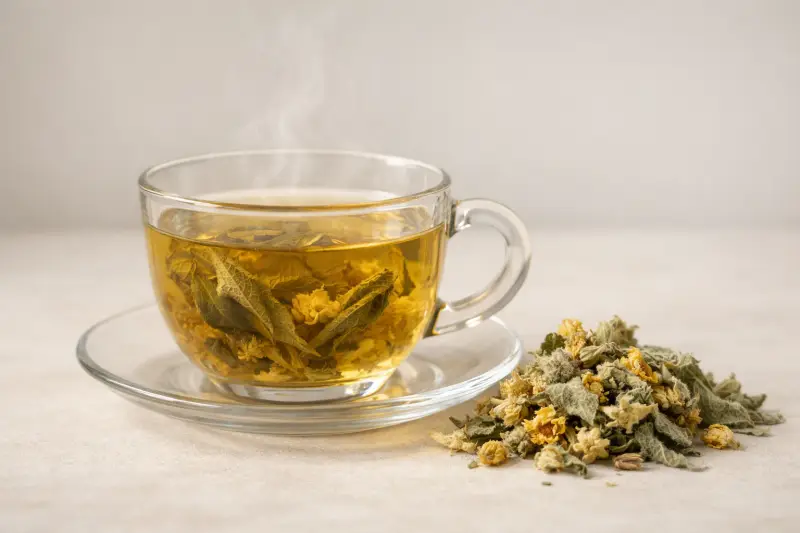
Mullein is a tall flowering plant with soft, fuzzy leaves and yellow flowers. The flowers and leaves are the parts most commonly used in herbal teas and traditional preparations. In European herbal medicine, mullein flower has been traditionally used for sore throat associated with dry cough and common colds.
Mullein contains several plant compounds, including mucilage, saponins, flavonoids, and other phytochemicals. These compounds may explain why the plant has been traditionally used to soothe irritated mucous membranes and support easier mucus movement.
If you are interested in other herbs traditionally used for breathing comfort, you can also read Vitaminati’s article on peppermint benefits for respiratory health and cough relief.
Mullein Benefits for Respiratory Health
Mullein is most commonly discussed as a gentle herbal support for the upper respiratory tract. However, most benefits are based on traditional use and early research, not strong clinical evidence. It should not be used as a replacement for prescribed inhalers, antibiotics, COPD treatment, asthma medication, or urgent respiratory care.
| Potential Benefit | How Mullein May Help | Important Note |
|---|---|---|
| Soothing the throat | Mucilage compounds may coat and calm irritated mucous membranes. | It does not treat the underlying cause of cough. |
| Mucus support | Saponins may explain its traditional use as a mild expectorant. | It should not replace medical treatment for bronchitis, asthma, or COPD. |
| Dry cough comfort | Warm, well-filtered mullein tea may provide temporary throat comfort. | Persistent cough requires medical evaluation. |
| Antioxidant support | Flavonoids and plant compounds may support antioxidant balance. | Respiratory health depends on the full diet and lifestyle, not one herb. |
1. Mullein May Help Soothe Throat Irritation
One of the best-known traditional uses of mullein is soothing throat irritation. This may be related to its natural mucilage content. Mucilage is a plant-based substance that can create a soft, soothing effect on irritated tissues.
For people with a mild dry cough or throat discomfort, warm mullein tea may feel calming. However, if cough is severe, persistent, or accompanied by fever, chest pain, blood in mucus, wheezing, or shortness of breath, medical care is necessary.
2. Mullein May Support Mucus Clearance
Mullein has traditionally been described as a mild expectorant, meaning it may help loosen mucus and support its clearance from the airways. This traditional use is often linked to the plant’s saponin content.
That said, mucus production can have many causes, including viral infections, allergies, asthma, bronchitis, COPD, or pneumonia. Mullein tea may provide comfort for some people, but it cannot diagnose or treat these conditions.
3. Mullein and COPD: What You Should Know
Mullein should not be promoted as a treatment for COPD. Chronic obstructive pulmonary disease is a long-term lung condition that requires medical diagnosis, monitoring, and treatment. It can involve trouble breathing, cough with mucus, wheezing, and reduced airflow.
People with COPD should follow their prescribed treatment plan. Mullein tea may only be considered as a gentle supportive drink if approved by a healthcare professional. It should never replace inhalers, oxygen therapy, pulmonary rehabilitation, or any prescribed medication.
| Respiratory Situation | Is Mullein Enough? | Recommended Action |
|---|---|---|
| Mild temporary throat irritation | It may provide soothing support. | Use warm, well-filtered tea and monitor symptoms. |
| Cough with fever or chest pain | No. | Seek medical advice. |
| Asthma or COPD | No. | Follow medical treatment and ask your doctor before using herbs. |
| Severe shortness of breath or wheezing | No. | Seek urgent medical care if symptoms are serious. |
Active Compounds in Mullein
Mullein contains several plant compounds that may explain its traditional respiratory use. These compounds are not a guarantee of clinical effectiveness, but they help explain why mullein has remained popular in herbal respiratory preparations.
| Compound Group | Potential Role |
|---|---|
| Mucilage | May help soothe dry or irritated mucous membranes. |
| Saponins | May contribute to traditional expectorant effects. |
| Flavonoids | May support antioxidant activity. |
| Iridoids and other phytochemicals | Studied for broader plant activity, but clinical evidence remains limited. |
Because respiratory health is also connected to immune function, you may find Vitaminati’s guide on vitamin C and immune support helpful for understanding antioxidant nutrients and immune defense.
How to Use Mullein Tea Safely
The most common way to use mullein is as an herbal tea prepared from dried leaves or flowers. The most important safety step is proper filtering. Mullein leaves can contain fine hairs that may irritate the throat if the tea is not strained carefully.
How to Prepare Mullein Tea
- Add 1 teaspoon of dried mullein leaves or flowers to a cup.
- Pour hot water over the herb.
- Steep for 10 to 15 minutes.
- Strain very well using a fine filter, coffee filter, or clean cloth.
- Drink warm and avoid excessive intake.
Mullein Extracts and Supplements
Mullein is also available as liquid extracts, capsules, and herbal blends. These products vary in strength and quality, so it is important to read the label and avoid exceeding the recommended dose.
To better evaluate supplement labels, ingredients, and doses, read Vitaminati’s guide on how to read vitamin and supplement labels.
Is Mullein Steam Inhalation Useful?
Some people use steam for congestion relief, but adding herbs to hot water and inhaling steam is not suitable for everyone. Steam can irritate the airways or cause burns if used incorrectly.
People with asthma, COPD, respiratory allergies, or sensitive airways should avoid herbal steam inhalation unless advised by a healthcare professional. Children should not use steam inhalation because of the risk of burns and airway irritation.
Should You Smoke Mullein?
No. Smoking mullein is not recommended. Even if an herb has traditional respiratory use, inhaling smoke can irritate and harm the lungs. Smoke exposure is especially risky for people with asthma, COPD, chronic cough, allergies, or any existing lung condition.
The safest approach to lung health is to avoid smoke, not introduce a different type of smoke into the respiratory system.
Mullein Side Effects and Safety Precautions
Mullein tea may be tolerated by many adults when used moderately, but it is not automatically safe for everyone. Caution is especially important with concentrated extracts, children, pregnancy, breastfeeding, and chronic respiratory disease.
| Group | Reason for Caution | Practical Advice |
|---|---|---|
| Pregnant or breastfeeding women | Safety data is limited. | Avoid use unless approved by a healthcare professional. |
| Children | Dose and safety are unclear. | Do not give mullein to children without medical advice. |
| People with asthma or COPD | Symptoms may worsen or require medical treatment. | Do not replace inhalers or prescribed medication. |
| People with herbal allergies | Allergic reactions may occur. | Stop use if rash, itching, swelling, or breathing symptoms appear. |
| People taking chronic medications | Interaction data is limited. | Ask a doctor or pharmacist before using concentrated products. |
When Should You See a Doctor?
Do not rely on herbs if respiratory symptoms are severe, worsening, or persistent. Seek medical care if you experience any of the following:
- Shortness of breath or strong wheezing.
- Chest pain or pressure.
- Cough lasting more than several days without improvement.
- Persistent fever.
- Thick yellow or green mucus with worsening symptoms.
- Blood in mucus.
- Worsening asthma or COPD symptoms.
- Blue lips or signs of low oxygen.
These symptoms may suggest infection, asthma flare, COPD exacerbation, pneumonia, or another condition that requires medical care.
How to Support Respiratory Health Beyond Herbs
Mullein can be only a small part of respiratory support. Lung health depends much more on daily habits, medical care when needed, and avoiding airway irritants.
- Avoid smoking and secondhand smoke completely.
- Reduce exposure to dust, pollution, mold, and strong odors.
- Drink enough water to support mucous membrane hydration.
- Keep indoor air well ventilated.
- Follow medical treatment plans for asthma or COPD.
- Ask your doctor about recommended vaccines, such as flu vaccination when appropriate.
- Eat a diet rich in fruits, vegetables, legumes, and quality protein.
You may also read Vitaminati’s article on peppermint and respiratory comfort to compare traditional herbs used for cough and breathing support.
Conclusion
Mullein, or Verbascum, is a traditional respiratory herb used for throat comfort, dry cough, and mucus support. Its mucilage, saponins, and flavonoids may explain why it has been used in herbal preparations for the upper respiratory tract.
However, mullein does not treat COPD, asthma, pneumonia, bronchitis, or chronic lung disease. It should not replace inhalers, antibiotics, prescribed medication, or medical evaluation. Mullein tea should also be filtered carefully to remove fine leaf hairs, and smoking mullein should be avoided.
The best use of mullein is as a gentle, temporary supportive drink within a healthy lifestyle, with medical guidance when respiratory disease, pregnancy, breastfeeding, medications, or serious symptoms are involved.
FAQs About Mullein Benefits for Respiratory Health
Is mullein the same as hawthorn?
No. Mullein belongs to the Verbascum genus and is traditionally used for respiratory support. Hawthorn belongs to the Crataegus genus and is usually discussed in relation to heart health.
Is mullein good for cough?
Mullein is traditionally used to soothe dry cough and throat irritation, but it does not treat serious or persistent causes of cough.
Does mullein help with mucus?
It may support mucus clearance traditionally because of its saponin content, but human evidence is limited.
Can mullein help COPD?
Mullein should not be used as a COPD treatment. It may only be considered as a supportive drink if approved by a healthcare professional.
Is mullein tea safe?
It may be safe for many adults in moderate amounts, but it must be strained carefully. Pregnant women, breastfeeding women, children, and people with chronic disease should seek medical advice first.
Can you smoke mullein for lung health?
No. Smoking mullein is not recommended because inhaling smoke can irritate and damage the lungs.