Benefits of Turmeric: The Golden Spice for Better Health
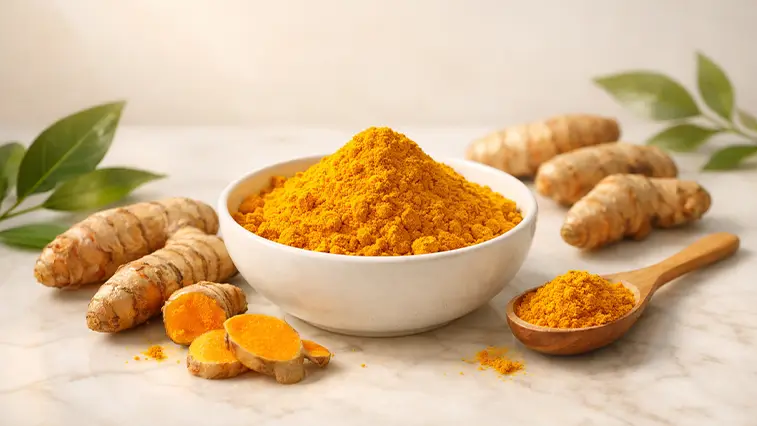
Turmeric Benefits: Anti-Inflammatory, Antioxidant, and Digestive Support
Turmeric, scientifically known as Curcuma longa, is a bright yellow spice widely used in cooking and traditional wellness practices. It comes from the root of a plant in the ginger family and is especially common in Indian, Middle Eastern, and Southeast Asian cuisines.
The main active compound in turmeric is curcumin, a natural polyphenol that has been studied for its potential anti-inflammatory and antioxidant properties. Because of this, turmeric is often discussed for joint comfort, digestive support, brain health, heart health, and general wellness.
However, turmeric should be understood correctly: it is a supportive food ingredient and supplement, not a cure for chronic disease. The strongest use is usually as part of a balanced lifestyle, while high-dose curcumin supplements should be used with care, especially for people taking medications or living with chronic health conditions.
What Is Turmeric?
Turmeric is a root spice with a deep golden color and earthy flavor. It is commonly used in curry blends, soups, rice dishes, herbal drinks, and functional foods. In traditional medicine systems, turmeric has long been used to support digestion, comfort, and general vitality.
Its most studied compound, curcumin, is responsible for much of turmeric’s color and many of its proposed health effects. Still, curcumin naturally has low absorption in the body, which is why some supplements use enhanced formulations or combine curcumin with ingredients that improve bioavailability.
Top Health Benefits of Turmeric
1. Supports a Healthy Inflammatory Response
One of the most researched benefits of turmeric is its potential role in supporting a healthy inflammatory response. Curcumin has been studied for its ability to influence inflammatory pathways in the body.
This is why turmeric is often used by people looking for natural joint support, especially in relation to stiffness or discomfort. Some studies suggest curcumin may be helpful for people with osteoarthritis symptoms, but evidence varies depending on the dose, formulation, and study quality.
Important note: turmeric should not replace prescribed anti-inflammatory medications, arthritis treatments, or medical care.
2. Provides Antioxidant Support
Turmeric is also valued for its antioxidant activity. Antioxidants help protect cells from oxidative stress, which occurs when free radicals exceed the body’s natural defense capacity.
Oxidative stress is associated with aging, inflammation, and several chronic health concerns. By supporting antioxidant balance, curcumin may help protect cells as part of a nutrient-rich lifestyle.
3. May Support Digestive Comfort
Turmeric has traditionally been used to support digestion. Some people use it to help reduce feelings of heaviness, bloating, or digestive discomfort after meals.
Curcumin may also influence inflammatory activity in the digestive tract, which is why it is being studied in relation to gut health. However, people with reflux, gallbladder problems, or sensitive digestion should be cautious, because high doses of turmeric or curcumin may cause stomach upset, acid reflux, nausea, diarrhea, or constipation.
4. May Support Brain Health
Curcumin is being studied for its potential effects on brain health because of its anti-inflammatory and antioxidant properties. These mechanisms are relevant to long-term cognitive wellness and healthy aging.
Some research has explored curcumin in relation to memory, mood, and neurodegenerative conditions, but the evidence is not strong enough to claim that turmeric prevents or treats diseases such as Alzheimer’s or Parkinson’s disease.
Related reading: BRAINOMAX: Brain Health and Mental Performance Support
5. May Support Heart Health
Turmeric may support heart health indirectly through its potential effects on inflammation, oxidative stress, and blood vessel function. Curcumin has been studied for its possible role in supporting endothelial function, which refers to the health of the inner lining of blood vessels.
Still, turmeric should not be considered a treatment for high blood pressure, heart disease, or cholesterol disorders. People with cardiovascular conditions should follow medical advice and discuss supplements with their healthcare provider.
6. Early Research Interest in Cancer Biology
Curcumin has been studied in laboratory and preclinical research for its effects on cell signaling, inflammation, and oxidative stress. These areas are relevant to cancer biology.
However, this does not mean turmeric prevents or treats cancer in humans. People with cancer or undergoing cancer treatment should never use turmeric or curcumin supplements without medical approval, because supplements may interact with treatment plans.
7. May Support Skin Health
Turmeric is sometimes used in skincare traditions because of its anti-inflammatory and antioxidant profile. Topical curcumin has been studied for certain skin-related applications, but it may cause irritation, itching, or hives in sensitive individuals.
If using turmeric on the skin, it is best to patch test first and avoid applying concentrated preparations to irritated or broken skin.
Turmeric vs. Curcumin: What Is the Difference?
Turmeric is the whole spice, while curcumin is one of its main active compounds. Eating turmeric in food provides curcumin in small amounts along with other plant compounds. Curcumin supplements, on the other hand, provide a concentrated dose.
This distinction matters because culinary turmeric is generally used in small food amounts, while supplements may deliver much higher doses. Higher doses may be more likely to cause side effects or interact with medications.
How to Improve Turmeric Absorption
Curcumin is not absorbed very efficiently on its own. To improve its use in food, turmeric is often paired with:
- Healthy fats: such as olive oil, avocado, nuts, or yogurt, because curcumin is fat-soluble.
- Black pepper: which contains piperine, a compound often used in curcumin supplements to improve absorption.
- Warm meals: such as soups, stews, and curries, where turmeric blends well with fat-containing ingredients.
If using curcumin supplements with piperine, check with a healthcare professional first, because piperine may also affect how some medications are absorbed or metabolized.
Safety Precautions When Using Turmeric
Turmeric in normal food amounts is generally considered safe for most people. However, turmeric or curcumin supplements require more caution, especially at high doses or with long-term use.
1. Digestive Side Effects
Oral turmeric or curcumin may cause nausea, vomiting, acid reflux, stomach upset, diarrhea, or constipation in some individuals. People with sensitive digestion should start with food-based amounts rather than high-dose supplements.
2. Blood Thinners and Bleeding Risk
Turmeric may have blood-thinning effects in some contexts. People taking anticoagulants or antiplatelet medications should speak with a doctor before using turmeric supplements.
3. Gallbladder Problems
People with gallstones, bile duct obstruction, or gallbladder disease should avoid turmeric supplements unless approved by a healthcare professional, because turmeric may stimulate bile flow or gallbladder activity.
4. Pregnancy and Breastfeeding
Turmeric used as a food spice is generally different from high-dose curcumin supplements. Pregnant or breastfeeding women should avoid medicinal doses unless their healthcare provider recommends them.
5. Medication Interactions
Curcumin supplements may interact with medications, including blood thinners, diabetes medications, acid-reducing drugs, and some treatments used for chronic disease. Always inform your doctor or pharmacist about any supplement you use.
Where Is Turmeric Grown?
Turmeric grows best in warm, humid climates. It is widely cultivated in South Asia and Southeast Asia, especially in regions where it is used both as a spice and as part of traditional wellness practices.
- India: one of the largest producers and consumers of turmeric.
- Indonesia: known for traditional herbal use and culinary applications.
- Bangladesh: uses turmeric widely in cooking and traditional remedies.
- China: cultivates turmeric for domestic use and herbal preparations.
- Sri Lanka: known for high-quality spice production.
How to Add Turmeric to Your Diet
Turmeric can be used easily in everyday meals. You can add it to:
- Vegetable soups
- Rice dishes
- Lentil stews
- Chicken or fish marinades
- Golden milk with milk or plant-based milk
- Smoothies with healthy fats
- Roasted vegetables with olive oil
For daily wellness, using turmeric as part of a diverse diet is usually safer and more sustainable than relying on high-dose supplements.
Conclusion
Turmeric is one of the most well-known functional spices, valued for its active compound curcumin. Its potential benefits include support for a healthy inflammatory response, antioxidant protection, digestive comfort, and general wellness.
At the same time, turmeric should not be exaggerated as a cure or treatment for serious diseases. The best approach is to use turmeric as part of a balanced diet, while using curcumin supplements only when appropriate and after checking for safety, medication interactions, and personal health conditions.
In short: turmeric can be a valuable addition to a healthy lifestyle, but smart use matters. Food first, supplements with caution, and medical advice when needed.
FAQs
What are the main benefits of turmeric?
Turmeric may support a healthy inflammatory response, antioxidant protection, digestive comfort, and general wellness due to its active compound curcumin.
Is turmeric good for inflammation?
Curcumin has been studied for anti-inflammatory properties, but turmeric supplements should not replace medical treatment for inflammatory diseases.
Can turmeric help digestion?
Some people use turmeric for digestive comfort, but high doses may cause stomach upset, reflux, nausea, diarrhea, or constipation in sensitive individuals.
Is turmeric safe every day?
Turmeric in food amounts is generally safe for most people. High-dose supplements should be used cautiously and preferably under medical guidance.
Who should avoid turmeric supplements?
People taking blood thinners, those with gallbladder disease, pregnant or breastfeeding women, and people on chronic medications should consult a healthcare professional before using turmeric supplements.
What is the difference between turmeric and curcumin?
Turmeric is the whole spice, while curcumin is one of its main active compounds. Curcumin supplements are more concentrated than culinary turmeric.
References
- NCCIH – Turmeric: Usefulness and Safety
- NCCIH – Nutritional Approaches for Musculoskeletal Pain and Inflammation
- PubMed – Clinical Use of Curcumin for Inflammatory Conditions
- PMC – Turmeric or Curcumin Extract on Knee Osteoarthritis Pain and Function
- Altibbi – Turmeric Overview
- Vitaminati – BRAINOMAX: Brain Health and Mental Performance Support