Benefits of Vitamin D for Bone and Dental Health
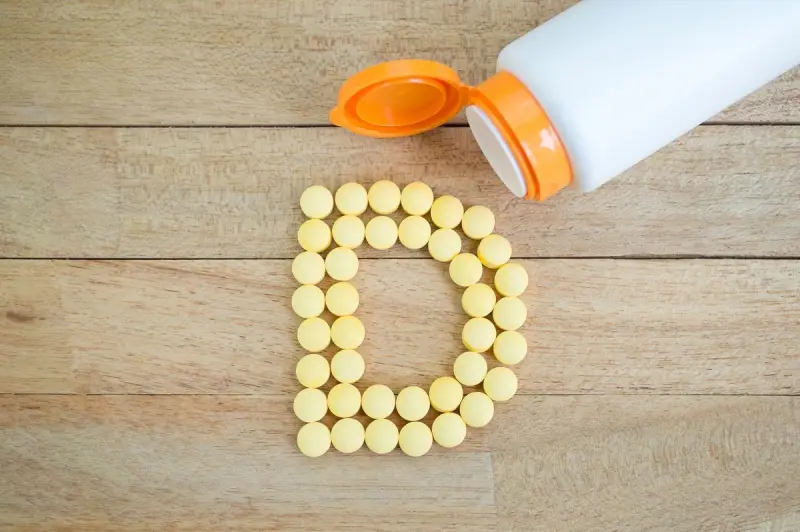
Vitamin D Benefits for Bone, Dental, and Immune Health: Sources and Safe Dosage
Vitamin D is one of the most important nutrients for bone and dental health because it helps the body absorb calcium and phosphate and maintain normal levels of these minerals in the blood. It also contributes to normal muscle function and immune system activity, but this does not mean that high-dose vitamin D is suitable for everyone.
In this article, we explain the benefits of vitamin D for bones and teeth, its role in immune support, the best sources from sunlight, food, and supplements, and the recommended daily intake with important safety precautions. For a broader overview, you can start with the Vitamin D category on Vitaminati.
Key Takeaways
- Vitamin D helps the body absorb calcium and phosphate, which are essential for healthy bones and teeth.
- Vitamin D deficiency may be linked to weak bones, bone pain, muscle weakness, and a higher risk of fractures in some groups.
- Moderate sunlight exposure, fortified foods, fatty fish, and supplements may help maintain adequate vitamin D levels.
- Vitamin D supports normal immune function, but it does not guarantee protection from infections or chronic diseases.
- High doses may cause elevated calcium levels in the blood, so they should not be used without medical guidance.
What Is Vitamin D and Why Does the Body Need It?
Vitamin D is a fat-soluble vitamin that the body can produce when the skin is exposed to ultraviolet B rays from sunlight. It can also be obtained from certain foods and dietary supplements. The two main forms are vitamin D2 and vitamin D3, with vitamin D3 commonly used in supplements because of its strong role in supporting vitamin D status.
Vitamin D plays a central role in regulating calcium and phosphate absorption. These minerals are necessary for building and maintaining strong bones and teeth. You can also learn more about vitamin D3 benefits for bone and immune function if you want to understand how this form is commonly used in supplements.
Vitamin D Benefits for Bones and Teeth
1. Helps the Body Absorb Calcium and Phosphate
The best-known role of vitamin D is helping the body absorb calcium and phosphate from the intestine. Without enough vitamin D, the body may not use calcium efficiently, even when the diet contains calcium-rich foods.
This is why bone health should not be discussed through calcium alone. The relationship between calcium supplements and bone health should be understood together with the role of vitamin D, because both nutrients work together to support bone and dental structure.
2. Supports Bone Density and Helps Reduce Deficiency-Related Weakness
Low vitamin D may reduce bone mineralization and is associated with conditions such as osteomalacia in adults and rickets in children. It may also contribute to weaker bones when combined with other factors such as low calcium intake, aging, hormonal changes, or reduced physical activity.
If symptoms such as bone pain, muscle weakness, persistent fatigue, or repeated fractures appear, it may be useful to review the common vitamin D deficiency symptoms and discuss whether a 25-hydroxyvitamin D blood test is appropriate.
3. Contributes to Dental Health
Teeth need a proper balance of calcium and phosphate to maintain their structure. Because vitamin D helps regulate these minerals, it can be part of a healthy dental-support strategy, especially for children, older adults, and people with confirmed deficiency.
However, vitamin D alone should not be presented as a way to prevent tooth decay. Dental health also depends on regular brushing, lower sugar intake, fluoride use when appropriate, and routine dental checkups.
4. Supports Muscle Function and May Help Reduce Fall Risk in Deficiency
Vitamin D contributes to normal muscle function. Low levels may be associated with muscle weakness or reduced stability, especially in older adults. Correcting deficiency may therefore be part of a broader plan to support strength and reduce fall risk, along with adequate nutrition, physical activity, and bone-health assessment.
The Role of Vitamin D in Immune Support
Vitamin D is not only important for bones. It also contributes to the regulation of immune system activity and normal inflammatory responses. For this reason, researchers continue to study the relationship between vitamin D status, immune function, respiratory infections, and some immune-related conditions.
However, accurate wording is important. Adequate vitamin D levels may support normal immune function, but they do not guarantee protection from colds, flu, infections, or chronic diseases. Taking high doses without confirmed deficiency also does not necessarily provide better protection.
If you have repeated deficiency, limited sun exposure, or a restricted diet, maintaining an adequate vitamin D level may be one supportive step within a broader health routine that includes sleep, balanced nutrition, physical activity, and medical guidance when needed.
What Are the Best Sources of Vitamin D?
1. Moderate Sunlight Exposure
Sunlight is the main natural source of vitamin D. When the skin is exposed to sunlight, the body can produce vitamin D. However, production varies widely depending on skin tone, time of day, season, age, geographic location, clothing, and sunscreen use.
It is often suggested that 10 to 30 minutes of sunlight exposure several times per week may help some people, but this is not a fixed rule for everyone. In hot climates or for people at higher risk of sunburn, it is important to balance vitamin D production with skin protection.
2. Fatty Fish and Cod Liver Oil
Fatty fish such as salmon, sardines, and tuna are among the best natural food sources of vitamin D. Cod liver oil is also rich in vitamin D and provides omega-3 fatty acids, but it may contain high amounts of vitamin A, so it should not be used randomly in large doses.
3. Vitamin D-Fortified Foods
In many countries, vitamin D is added to foods such as milk, fortified plant-based milks, breakfast cereals, and some juices. These foods may be useful for people who do not get enough sunlight or do not eat fish regularly.
4. UV-Exposed Mushrooms
Some mushrooms, especially those exposed to ultraviolet light, may contain vitamin D2. This can make them a useful plant-based source, although they may not be enough on their own to meet daily needs, especially when deficiency is present.
5. Vitamin D Supplements
Vitamin D supplements may be appropriate when deficiency is confirmed, sun exposure is limited, dietary intake is low, or a person belongs to a higher-risk group. Since vitamin D is fat-soluble, it is often recommended to take it with a meal that contains healthy fats. You can also read about vitamin D during Ramadan to understand how fasting and meal timing may affect supplement use.
Who Is More Likely to Have Low Vitamin D?
Some people may be more likely to have low vitamin D levels, including:
- People with limited sunlight exposure.
- Older adults.
- People with darker skin tones, because vitamin D production from sunlight may be lower.
- People who wear clothing that covers most of the skin for long periods.
- People with obesity or certain absorption problems.
- People who have had gastrointestinal surgery.
- Infants and children in certain cases, depending on diet, sunlight exposure, and medical guidance.
Having a risk factor does not automatically mean deficiency is present. However, it may make testing or professional advice more important, especially when symptoms are persistent.
How Much Vitamin D Do You Need Daily?
Vitamin D needs vary according to age, health status, sunlight exposure, diet, and blood levels. In general, the following intake values are commonly used as daily reference points:
- Infants up to 12 months: about 400 IU per day.
- Children and adults up to age 70: about 600 IU per day.
- Adults over 70: about 800 IU per day.
A healthcare professional may recommend a different dose when deficiency is confirmed or when a specific medical condition is present. Doses such as 1,000 or 2,000 IU per day may be suitable for some people, but they should not be treated as a universal rule. The right dose depends on lab results, diet, sunlight exposure, and individual risk factors.
Important note: High doses of vitamin D may raise calcium levels in the blood. This can cause nausea, weakness, excessive thirst, frequent urination, or kidney-related problems. Do not use high therapeutic doses without medical supervision.
Can You Get Too Much Vitamin D?
Yes. Excess vitamin D usually happens from overuse of supplements, not from sunlight exposure, because the skin naturally limits how much vitamin D it produces. The main concern is elevated calcium levels in the blood, which may lead to uncomfortable symptoms or serious complications in some cases.
This is why it is important not to combine multiple products containing vitamin D without checking labels. Multivitamins, calcium supplements, immune-support supplements, and standalone vitamin D products may all contain vitamin D, increasing the total daily dose without the person noticing.
When Should You Test Vitamin D?
Vitamin D testing may be appropriate if you have persistent fatigue, bone pain, muscle weakness, repeated fractures, limited sunlight exposure, or if you belong to a higher-risk group. The common test is 25-hydroxyvitamin D, which helps healthcare professionals assess vitamin D status and decide whether supplementation is needed.
High-dose supplementation should not be started only because someone feels tired. Fatigue has many possible causes, including iron deficiency, vitamin B12 deficiency, sleep problems, thyroid disorders, or chronic stress.
FAQs About Vitamin D
Does vitamin D strengthen bones?
Vitamin D helps the body absorb calcium and phosphate, which supports bone health. However, bone strength also depends on calcium intake, protein, physical activity, hormones, age, and overall health.
Is vitamin D good for teeth?
Vitamin D may support dental health through its role in calcium and phosphate regulation. It does not replace brushing, lower sugar intake, fluoride use when needed, or dental care.
Does vitamin D boost immunity?
Vitamin D contributes to normal immune system function, but it should not be considered a treatment or guaranteed protection from infections.
What is the best time to take vitamin D?
Vitamin D can be taken at any convenient time. Taking it with a meal that contains healthy fats may help absorption.
Is sunlight enough for vitamin D?
Sunlight may be enough for some people, but not for everyone. Skin tone, season, clothing, sunscreen, location, and time spent outdoors all affect vitamin D production.
Can vitamin D be taken daily?
Vitamin D can be taken daily within an appropriate dose. High or therapeutic doses should be used only under medical supervision.
Conclusion
Vitamin D is essential for bone and dental health because it helps the body use calcium and phosphate efficiently. It also supports muscle function and normal immune activity, but it is not a cure-all and should not be used in high doses without a clear reason.
The best approach is to combine safe sunlight exposure, good food sources or fortified foods, and supplements when needed. If you suspect deficiency, start by understanding the signs of vitamin D deficiency, then consult a healthcare professional to decide whether testing or supplementation is appropriate.
Medical disclaimer: This article is for general educational purposes only and does not replace medical advice. Consult a doctor or pharmacist before using vitamin D supplements if you are pregnant, breastfeeding, have kidney disease, high calcium levels, osteoporosis, take long-term medications, or use high-dose vitamin D.
Scientific References
- NIH Office of Dietary Supplements: Vitamin D Fact Sheet for Health Professionals
- NIH Office of Dietary Supplements: Vitamin D Fact Sheet for Consumers
- EFSA: Dietary Reference Values for Vitamin D
- EFSA: Tolerable Upper Intake Level for Vitamin D
- WHO EMRO: Summary Report on Vitamin D and Public Health Nutrition