Calcium: The Comprehensive Guide to Benefits, Types, Dosages, and Best Methods of Use
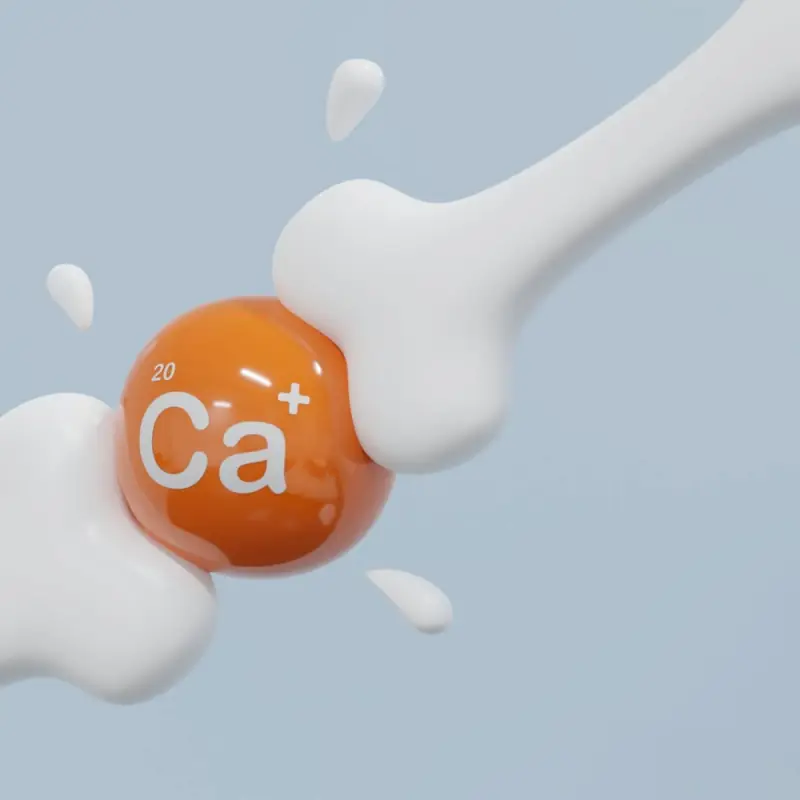
Calcium is an essential mineral needed throughout life. It is best known for building and maintaining bones and teeth, but it also plays important roles in muscle function, nerve signaling, blood clotting, and other normal body processes. Most people should aim to meet their calcium needs through food, while supplements may be useful when dietary intake is not enough or when there is a specific medical need.
What is calcium and why does the body need it?
About 99% of the calcium in the body is stored in the bones and teeth. The remaining amount is found in the blood and other tissues, where it supports several essential functions.
- Building and maintaining bones and teeth.
- Normal muscle contraction, including heart muscle function.
- Transmission of nerve signals.
- Normal blood clotting.
- Cell signaling and other important cellular processes.
The body keeps blood calcium levels within a narrow range. If calcium intake remains too low over time, the body can use calcium stored in the bones to help maintain normal blood levels.
What happens if calcium intake is too low?
Low calcium intake usually does not cause immediate symptoms because the body works to maintain calcium levels in the blood.
However, consistently getting too little calcium can contribute to poor bone health and loss of bone mass over time, particularly in people who are already at higher risk, such as older adults and women after menopause.
The risk of osteoporosis and the role of calcium and vitamin D also depends on factors such as age, hormones, physical activity, nutrition, medications, and overall health.
Are muscle cramps and tingling signs of calcium deficiency?
It is important to distinguish between not eating enough calcium and having an abnormally low calcium level in the blood, known as hypocalcemia.
Low blood calcium can cause symptoms such as:
- Numbness or tingling around the mouth, hands, or feet.
- Muscle cramps or spasms.
- Increased muscle and nerve irritability.
Severe hypocalcemia can cause more serious symptoms, but it is not usually caused by low dietary calcium alone. Low blood calcium can occur because of conditions such as vitamin D or magnesium deficiency, parathyroid disorders, certain diseases, or some medications.
What are the best food sources of calcium?
Food is generally the preferred source of calcium when it can provide enough to meet daily needs.
- Milk, yogurt, and cheese.
- Calcium-fortified plant drinks, such as some soy or almond beverages.
- Tofu made with calcium salts.
- Canned sardines with bones.
- Canned salmon with bones.
- Kale, broccoli, and bok choy.
- Sesame seeds, tahini, and almonds, which can contribute to total calcium intake.
- Calcium-fortified cereals and other fortified foods.
Not all calcium-containing foods provide calcium that is absorbed equally well. Spinach, for example, contains calcium but also contains oxalates that substantially reduce its absorption. It is therefore not considered one of the most useful calcium sources despite its calcium content.
A varied diet containing suitable natural sources of calcium beyond milk can help many people meet their daily needs without supplementation.
What is the relationship between vitamin D and calcium?
Vitamin D helps the intestine absorb calcium, making adequate vitamin D important for normal calcium balance and bone health.
The connection between vitamin D3 and bone health is partly related to this effect on calcium absorption.
However, taking more calcium or vitamin D does not automatically provide greater benefit. The amount needed depends on diet, age, vitamin D status, and individual health needs.
How much calcium do you need each day?
Calcium requirements vary according to age and sex. Common U.S. recommended dietary allowances are:
- Children ages 1–3 years: 700 mg per day.
- Children ages 4–8 years: 1,000 mg per day.
- Children and adolescents ages 9–18 years: 1,300 mg per day.
- Adults ages 19–50 years: 1,000 mg per day.
- Men ages 51–70 years: 1,000 mg per day.
- Women ages 51–70 years: 1,200 mg per day.
- Adults over age 70: 1,200 mg per day.
- Pregnant and breastfeeding adults ages 19 years and older: 1,000 mg per day.
- Pregnant and breastfeeding adolescents: 1,300 mg per day.
These amounts refer to total calcium from food and supplements combined. They do not mean that this entire amount should come from a supplement.
When might you need a calcium supplement?
Not everyone needs a calcium supplement. Supplementation is most useful when dietary calcium does not meet requirements or when there is a specific health reason for additional calcium.
A healthcare professional may consider calcium supplementation for people who:
- Consistently eat very little calcium-rich food.
- Avoid dairy products and do not use calcium-rich or fortified alternatives.
- Are at increased risk of bone loss.
- Have osteoporosis and need calcium as part of an overall management plan.
- Have conditions that interfere with nutrient absorption.
- Cannot meet their calcium needs through food alone.
Having vitamin D deficiency or avoiding dairy products does not automatically mean that a calcium supplement is necessary. Total calcium intake from the entire diet should be considered first.
What are the most common types of calcium supplements?
The two most common forms are calcium carbonate and calcium citrate.
Calcium carbonate:
- Contains a relatively high percentage of elemental calcium.
- Is generally less expensive.
- Is absorbed best when taken with food.
- May cause gas, bloating, or constipation in some people.
Calcium citrate:
- Can be taken with or without food.
- Depends less on stomach acid for absorption.
- May be useful for some older adults or people with reduced stomach acid.
Other forms, including calcium lactate and calcium gluconate, are available but contain a lower percentage of elemental calcium and are less commonly used for routine supplementation.
What does elemental calcium mean?
When comparing calcium supplements, the most important number is the amount of elemental calcium provided by each serving, rather than the total weight of the calcium compound.
Calcium carbonate, for example, contains a larger proportion of elemental calcium than calcium citrate. Supplement labels normally list the actual amount of calcium provided per serving.
What is the best time to take calcium?
The best timing depends partly on the form of calcium.
- Calcium carbonate: Take with food because stomach acid helps its absorption.
- Calcium citrate: Can be taken with or without food.
Calcium absorption is generally better when no more than about 500 mg of elemental calcium is taken at one time.
If a larger daily amount is needed from supplements, dividing it into separate doses may improve absorption rather than taking the entire amount at once.
How do you choose the right calcium supplement?
There is no single calcium supplement that is best for everyone. Important factors include:
- The amount of elemental calcium per serving.
- How much calcium you already get from food.
- Whether the supplement causes constipation or stomach discomfort.
- Whether you have reduced stomach acid or digestive problems.
- Other medications or supplements you use.
- Your age and medical history.
The goal of supplementation is usually to fill the gap between dietary calcium intake and your actual requirement, rather than taking the highest dose available.
What is the upper limit for calcium?
The tolerable upper intake level is not a recommended daily target. It represents the highest total daily intake that is unlikely to cause adverse effects for most people.
- Adults ages 19–50 years: 2,500 mg per day from all sources.
- Adults ages 51 years and older: 2,000 mg per day from all sources.
Taking large calcium supplements in addition to an already calcium-rich diet can push total intake above what is needed without providing additional benefit.
What are the risks of too much calcium?
Calcium supplements can cause gastrointestinal side effects, particularly constipation, gas, and bloating.
Hypercalcemia, which means abnormally high calcium levels in the blood, is different from simply eating a calcium-rich diet. It is more commonly associated with medical conditions, such as certain parathyroid disorders, than with normal food intake.
Significant hypercalcemia may cause symptoms such as:
- Nausea or constipation.
- Fatigue and weakness.
- Increased urination.
- Kidney problems.
- Abnormal heart rhythms in severe cases.
Do calcium supplements cause kidney stones?
Calcium from food should not automatically be avoided because of concerns about kidney stones. Dietary calcium and supplemental calcium do not necessarily affect kidney stone risk in the same way.
Some studies have linked high supplemental calcium intake with an increased risk of kidney stones, while other research has not found the same association.
People with a history of kidney stones or kidney disease should discuss the appropriate amount and source of calcium with a healthcare professional before using high-dose supplements.
Does calcium interact with medications or other supplements?
Yes. Calcium supplements can interfere with the absorption of certain medications when taken at the same time, including some thyroid medications and certain antibiotics.
Calcium can also interfere with iron absorption. For this reason, experts generally recommend taking calcium and iron supplements at different times.
People using several mineral supplements should also consider possible interactions between magnesium and other supplements.
Frequently asked questions about calcium
Can calcium deficiency cause muscle cramps?
Low calcium levels in the blood can cause muscle cramps, spasms, or tingling. However, simply eating too little calcium does not usually cause these symptoms directly.
Can you get enough calcium from food alone?
Yes. Many people can meet their calcium requirements through food when their diet regularly includes adequate calcium-rich or calcium-fortified foods.
Does everyone over age 50 need a calcium supplement?
No. Calcium requirements increase for some groups with age, but the need for a supplement depends on dietary intake, bone health, and individual medical factors.
Is calcium from spinach well absorbed?
No. Spinach contains calcium, but oxalates in spinach substantially reduce its absorption. Vegetables such as broccoli, kale, and bok choy provide calcium that is more readily absorbed.
Is calcium carbonate or calcium citrate better?
Neither form is best for everyone. Calcium carbonate contains more elemental calcium and is best taken with food, while calcium citrate depends less on stomach acid and can be taken without food.
Can calcium be taken with iron?
Calcium can interfere with iron absorption, so calcium and iron supplements are generally better taken at different times.
Should calcium be taken with vitamin D?
Vitamin D is important for calcium absorption, but whether you need supplements of either nutrient depends on your diet, vitamin D status, age, and health needs.
Conclusion
Calcium is essential for healthy bones and teeth and also supports normal muscle function, nerve signaling, and blood clotting. Food should generally be the first source of calcium, with supplements used to cover a genuine dietary gap or a specific health need.
More calcium is not necessarily better. The appropriate type and amount depend on elemental calcium content, dietary intake, age, health conditions, and medications. A supplement should complement the diet rather than automatically provide the full daily calcium requirement.
Reliable Scientific Sources
- NIH Office of Dietary Supplements – Calcium: Fact Sheet for Health Professionals
- National Academies – Dietary Reference Intakes for Calcium and Vitamin D
- European Food Safety Authority – Dietary Reference Values for Calcium
- NIH Office of Dietary Supplements – Iron: Fact Sheet for Health Professionals