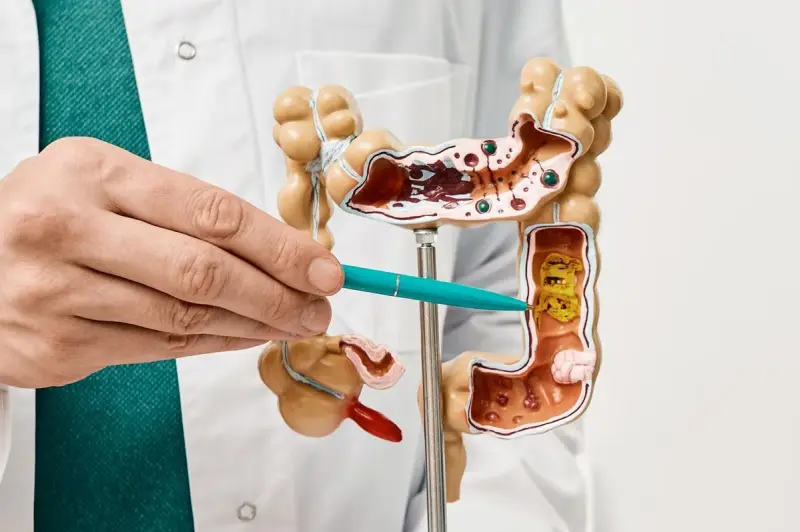
Overview of Colon and Rectal Cancer: Symptoms, Causes, Risk Factors, and Treatment
Colon and rectal cancer, also known as bowel cancer, affects the colon or rectum and impacts both men and women. It becomes more common with age, especially for those over fifty. Early screenings and modern treatments significantly improve survival rates.
Causes of Colon and Rectal Cancer and Risk Factors
Although the exact causes of colon and rectal cancer are not fully understood, several risk factors increase the likelihood of developing it, including:
- Age: The risk increases with age, and most cases occur after the age of fifty.
- Family history: A family history increases the likelihood of developing colon cancer or polyps.
- Genetic factors: Certain genetic mutations, such as Lynch syndrome and familial adenomatous polyposis (FAP), increase the risk.
- Diet: Diets high in red and processed meats and low in fiber are associated with increased risk.
- Lifestyle: Physical inactivity, obesity, smoking, and excessive alcohol consumption increase the likelihood of developing cancer.
- Inflammatory bowel disease: Conditions like Crohn's disease and ulcerative colitis increase the risk.
- Diabetes: Type 2 diabetes may be associated with an increased risk of colon and rectal cancer.
Symptoms of Colon and Rectal Cancer
Symptoms vary depending on the stage of cancer and may include:
- Changes in bowel habits: Diarrhea or constipation or narrowing of the stool lasting for days.
- Feeling of incomplete bowel evacuation
- Rectal bleeding or blood in the stool
- Abdominal pain and cramps: May be frequent and uncomfortable
- Persistent weakness and fatigue
- Unexplained weight loss
- Iron deficiency anemia due to chronic blood loss
Prevention of Colon and Rectal Cancer
The risk of developing cancer can be reduced by following preventive strategies that include:
- Regular screenings: Colonoscopy and other screening tests can detect cancer in its early stages or remove polyps before they turn into cancer.
- Healthy diet: It is advisable to consume foods rich in fruits, vegetables, and whole grains, and to reduce the intake of red and processed meats.
- Regular exercise: Continuous physical activity helps maintain a healthy weight and reduces the risk of developing cancer.
- Limiting alcohol: Reducing alcohol consumption to moderate levels.
- Quitting smoking: Stopping smoking improves overall health and reduces cancer risk.
- Maintaining a healthy weight: An ideal weight reduces risk factors associated with colon and rectal cancer.
Plants that Help Support Colon Health
Some herbs and plants are known for their beneficial properties for colon health, including:
- Turmeric: Contains curcumin, which has anti-inflammatory and antioxidant properties.
- Garlic: Contains compounds that support immunity and may contribute to cancer prevention.
- Green tea: Rich in polyphenols that inhibit the growth of cancer cells.
- Ginger: Contains anti-inflammatory and antioxidant properties beneficial for gut health.
Supplements that Support Colon Health
Some supplements may help reduce the risk of colon cancer and improve gut health:
- Vitamin D: Contributes to immune support and may reduce cancer risk.
- Calcium: Helps reduce the risk of polyps in the colon.
- Folic acid: Essential for cell health and may help reduce cancer risk.
- Probiotics: Support gut health and improve immune function.
- Fiber supplements: Help improve bowel movements and reduce the risk of colon cancer.
Health Tips for Preventing Colon and Rectal Cancer
To enhance prevention and self-management, it is advised to follow these guidelines:
- Stay informed: Keep up with the latest research and guidelines on colon cancer.
- Regular screenings: Consult a doctor and undergo regular check-ups.
- Reduce stress: Practice meditation, yoga, or breathing exercises to manage stress.
- Healthy lifestyle: Eat nutritious foods, exercise, and avoid known risk factors.
- Monitor symptoms: Pay attention to any health changes and consult a doctor when necessary.
Conclusion
Colon and rectal cancer is considered a preventable disease through regular screenings and a healthy diet. The risk of developing cancer can be reduced by adopting a healthy lifestyle and incorporating plants and supplements that support colon health.
References
- American Cancer Society. (2023).
- Mayo Clinic. (2023).
- National Cancer Institute. (2023).