Comprehensive Guide to Vitamin K: Benefits, Deficiency, Dosage, and Best Usage Methods
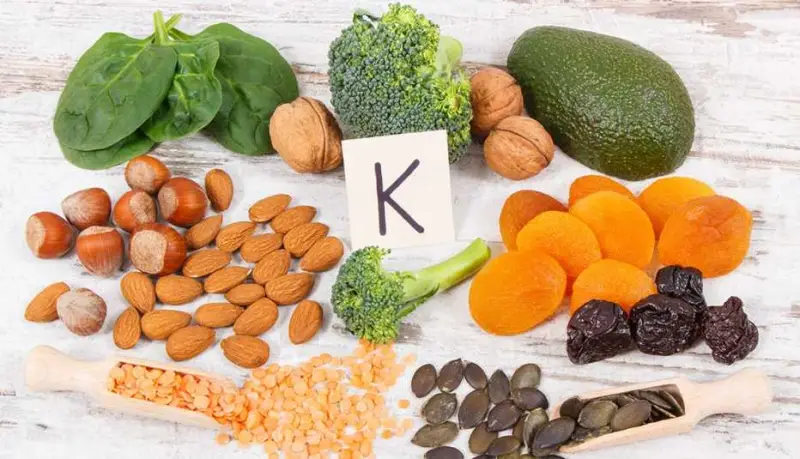
Vitamin K is one of the essential fat-soluble vitamins, and although it is less talked about compared to vitamins D or C, its role is extremely vital, especially in blood coagulation, bone health, and regulating calcium within the body.
A deficiency of this vitamin can lead to serious problems such as bleeding or weak bones, particularly in the elderly or individuals with absorption issues.
What is Vitamin K and Why Does the Body Need It
Vitamin K is a group of compounds, the most important of which are:
- Vitamin K1 (from plant sources)
- Vitamin K2 (from animal and fermented sources)
Functions of Vitamin K in the Body
- Activating blood coagulation factors
- Preventing bleeding
- Supporting bone formation
- Regulating calcium
- Protecting blood vessels
Scientifically Supported Benefits of Vitamin K
- Improving natural blood coagulation
- Reducing the risk of bleeding
- Supporting bone density
- Reducing the risk of fractures
- Supporting heart health
Causes of Vitamin K Deficiency
- Lack of leafy vegetables
- Gastrointestinal disorders
- Poor fat absorption
- Certain medications
- Advancing age
Symptoms of Vitamin K Deficiency
- Frequent bleeding
- Easy bruising
- Bleeding gums
- Delayed wound healing
- Weak bones
Natural Sources of Vitamin K
- Spinach
- Cabbage
- Broccoli
- Lettuce
- Vegetable oils
- Fermented foods
When to Consider Vitamin K Supplements
- Confirmed deficiency through tests
- Fat absorption issues
- Osteoporosis
- Medical recommendation
Dosage and Best Time to Take It
- Take it with a meal containing fats
- Adhere to the daily dosage
- Avoid high doses
Interactions and Precautions
- Interferes with blood thinners
- Caution is advised with liver diseases
- Avoid use without consultation
Frequently Asked Questions
What is the most important function of Vitamin K?
Blood coagulation and bone health.
Is its deficiency serious?
Yes, it can cause bleeding and bone problems.
What is the best time to take it?
With food that contains fats.
Conclusion
Vitamin K is an essential element for the health of the body, especially for blood and bones. Its deficiency can be serious if not addressed. The best way to obtain it is through food, with the use of supplements when necessary and under medical supervision.
Reliable scientific sources • World Health Organization • National Institutes of Health • European Food Safety Authority • Office of Dietary Supplements