CoQ10 in Multivitamins: What Is It and Why Is It Added?
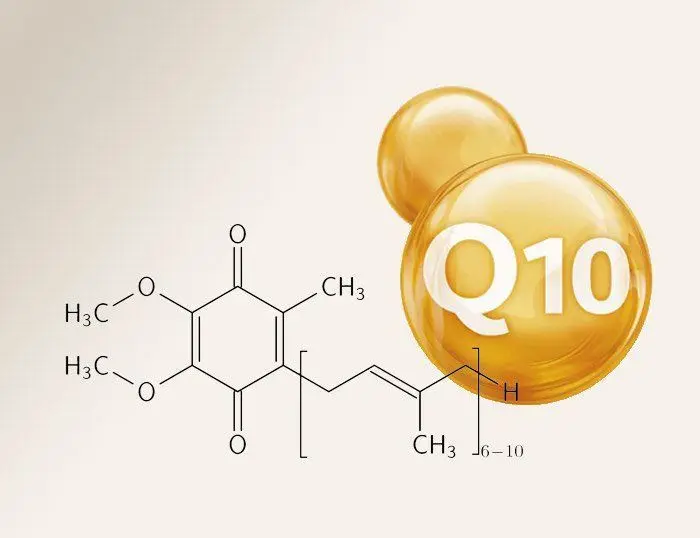
What is Coenzyme Q10?
Coenzyme Q10 (CoQ10), also known as ubiquinone, is a naturally occurring compound found in nearly every cell of the human body. It is particularly concentrated in organs with high energy demands, such as the heart, liver, kidneys, and muscles. CoQ10 is unique because it functions both as a coenzyme—supporting critical biochemical reactions—and as an antioxidant, protecting cells from oxidative damage.
The body is capable of synthesizing CoQ10 internally, but its levels can decline due to aging, poor nutrition, chronic diseases, or certain medications (notably cholesterol-lowering statins). This decline can compromise cellular energy production and contribute to fatigue, reduced physical performance, and impaired organ function.
In the context of the provided document, CoQ10 is included as part of a comprehensive micronutrient blend in Vitaced A-Z, which contains 27 essential vitamins, minerals, and trace elements designed to support energy, immunity, and overall well-being. Its inclusion highlights its recognized importance in maintaining optimal physiological function, particularly in energy metabolism and cardiovascular health.
CoQ10 and cellular energy production
The most fundamental role of CoQ10 lies in its involvement in mitochondrial energy production. Mitochondria are often referred to as the “powerhouses” of the cell because they generate ATP (adenosine triphosphate), the primary energy currency of the body.
CoQ10 plays a central role in the electron transport chain, which is the final stage of ATP synthesis. Specifically, it acts as an electron carrier, transferring electrons between complexes within the mitochondrial membrane. This electron transfer is essential for creating the proton gradient that drives ATP production.
Without adequate levels of CoQ10:
- Electron transport becomes less efficient
- ATP production declines
- Cells experience an energy deficit
- Fatigue and reduced physical performance may occur
This is why CoQ10 is closely associated with energy levels and fatigue reduction. In the document, it is clearly stated that B vitamins and Coenzyme Q10 play crucial roles in energy metabolism and reducing fatigue. This reinforces the idea that CoQ10 does not act alone but works synergistically with other micronutrients to sustain energy production.
Additionally, CoQ10’s antioxidant function protects mitochondria from oxidative stress. Since energy production inherently generates reactive oxygen species (ROS), CoQ10 helps neutralize these molecules, preserving mitochondrial integrity and efficiency.
In practical terms, adequate CoQ10 levels support:
- Sustained physical energy
- Reduced feelings of tiredness
- Improved cellular efficiency
- Better recovery from physical and mental stress
This explains why CoQ10 is often associated with improved vitality and why it is included in formulations targeting fatigue and performance.
CoQ10 and cardiovascular wellness support
One of the most clinically significant roles of CoQ10 is its contribution to cardiovascular health. The heart is one of the most energy-demanding organs in the body, requiring a constant and efficient supply of ATP to maintain its continuous pumping action.
Because of this high demand, heart tissue contains particularly high concentrations of CoQ10. Any reduction in CoQ10 levels can directly impact cardiac efficiency and function.
According to the document, Coenzyme Q10 and magnesium support heart health and function. This highlights its recognized role in cardiovascular wellness within the Vitaced A-Z formulation.
CoQ10 supports cardiovascular health through several mechanisms:
- Enhancing cardiac energy production
By improving mitochondrial ATP generation, CoQ10 helps ensure that heart muscle cells (cardiomyocytes) have sufficient energy to function optimally. - Antioxidant protection
CoQ10 reduces oxidative stress in blood vessels and heart tissue, which is a key factor in the development of cardiovascular diseases. - Supporting endothelial function
It helps maintain the health of the endothelium (the inner lining of blood vessels), which is essential for proper blood flow and vascular tone. - Potential role in blood pressure regulation
Some studies suggest that CoQ10 may contribute to modest reductions in blood pressure by improving vascular function. - Relevance in statin use
Statins, commonly used to lower cholesterol, can reduce endogenous CoQ10 production. This may lead to muscle fatigue or weakness in some individuals, making CoQ10 supplementation a consideration under medical supervision.
In the context of a multivitamin like Vitaced A-Z, CoQ10 contributes to a broader cardiovascular support system alongside minerals like magnesium and potassium, and antioxidants like vitamin E and selenium.
Why CoQ10 is included in some multivitamins
CoQ10 is increasingly included in advanced multivitamin formulations because of its dual role in energy production and cellular protection. Its inclusion reflects a shift from basic nutrient replacement toward functional, performance-oriented supplementation.
In Vitaced A-Z, CoQ10 is part of a comprehensive nutrient blend designed to boost energy, immunity, and overall well-being. The rationale for including CoQ10 can be understood through several key points:
- Supporting energy metabolism
As highlighted in the document, energy production is a central benefit of the formula. CoQ10 complements B vitamins, which act as cofactors in metabolic pathways, by directly facilitating ATP generation at the mitochondrial level. - Addressing subclinical deficiencies
The document emphasizes that even marginal micronutrient deficiencies can lead to fatigue and cognitive issues, and that supplementation can help reverse these symptoms. Including CoQ10 helps address potential gaps that may not be covered by diet alone. - Enhancing antioxidant defense
CoQ10 works alongside vitamin C, vitamin E, zinc, and selenium to protect cells from oxidative stress. This is particularly important in modern lifestyles characterized by stress, pollution, and high metabolic demands. - Supporting cardiovascular health
Given its role in heart function, adding CoQ10 strengthens the cardiovascular support profile of the multivitamin. - Targeting fatigue and performance
Multivitamins like Vitaced A-Z are positioned to support daily energy and resilience. CoQ10 contributes directly to reducing fatigue and improving physical and mental performance. - Synergistic formulation strategy
CoQ10 does not work in isolation. Its effectiveness is enhanced when combined with:- B vitamins (energy metabolism)
- Magnesium (ATP stabilization)
- Iron (oxygen transport)
- Antioxidants (cell protection)
This synergy is a defining feature of comprehensive formulas like Vitaced A-Z.
Who should ask a healthcare professional before using CoQ10 supplements?
While CoQ10 is generally considered safe and well-tolerated, certain individuals should consult a healthcare professional before starting supplementation—especially when it is taken as a standalone supplement or in higher doses than those found in multivitamins.
The document advises that some vitamins and minerals can interact with medications and that overlapping supplementation should be avoided. This applies to CoQ10 as well.
- Individuals taking medications
CoQ10 may interact with certain medications, including:- Blood thinners (e.g., warfarin), as CoQ10 may affect clotting
- Blood pressure medications, potentially enhancing their effects
- Chemotherapy drugs, where antioxidant effects may interfere with treatment
- People with chronic medical conditions
Individuals with the following conditions should seek medical advice:- Cardiovascular diseases
- Liver or kidney disorders
- Diabetes
- Neurological conditions
- Pregnant and breastfeeding women
There is limited research on the safety of CoQ10 supplementation during pregnancy and lactation. Therefore, medical consultation is recommended before use. - Individuals already taking supplements
As highlighted in the document, taking multiple supplements may lead to excessive intake of certain nutrients. Even though CoQ10 itself is not typically associated with toxicity, combined formulations may create imbalances. - Children under 10 years
Vitaced A-Z is indicated for individuals over the age of 10. Younger children should not use such supplements unless advised by a healthcare professional. - Individuals experiencing adverse effects
Although rare, some people may experience:- Gastrointestinal discomfort
- Nausea
- Allergic reactions
Role of CoQ10 in Vitaced A-Z
Within Vitaced A-Z, CoQ10 plays a strategic and complementary role rather than acting as a standalone high-dose supplement. Each tablet contains 5 mg of Coenzyme Q10, which is designed to support daily physiological needs as part of a balanced formula.
Its role can be summarized as follows:
- Energy support
CoQ10 enhances mitochondrial ATP production, contributing to the product’s core benefit of increasing energy levels and reducing fatigue. - Antioxidant protection
It works with vitamin E, vitamin C, zinc, and selenium to protect cells from oxidative damage, supporting overall health and resilience. - Cardiovascular support
CoQ10 contributes to heart health, complementing magnesium and potassium in maintaining proper cardiac function. - Synergy with B vitamins
Together with the B-complex vitamins included in the formula, CoQ10 helps optimize energy metabolism at multiple levels. - Support under stress
The product is positioned to help combat daily stress, and CoQ10 supports this by maintaining cellular efficiency under increased physiological demand. - Contribution to overall well-being
As part of a “complete A-Z” formulation, CoQ10 helps ensure that energy production, cellular protection, and cardiovascular health are all addressed simultaneously.
Conclusion
Coenzyme Q10 is a vital compound that sits at the intersection of energy production, antioxidant defense, and cardiovascular health. Its role in mitochondrial ATP generation makes it essential for sustaining physical and mental energy, while its antioxidant properties protect cells from damage.
In formulations like Vitaced A-Z, CoQ10 is not included arbitrarily—it is a deliberate addition that enhances the product’s ability to support energy, reduce fatigue, and promote overall well-being. Working synergistically with B vitamins, and antioxidants, it contributes to a comprehensive approach to daily health.
However, like any supplement component, CoQ10 should be used thoughtfully. While it is safe for most individuals at standard doses, those with medical conditions, those taking medications, or those with special physiological needs should consult a healthcare professional before use.
Ultimately, CoQ10 exemplifies the shift toward smarter supplementation—where nutrients are combined not just to fill gaps, but to optimize how the body produces energy, protects itself, and performs every day.
Reliable Scientific Sources • World Health Organization • National Institutes of Health • European Food Safety Authority • Office of Dietary Supplements