Daily Dose of Manganese, Its Absorption Methods, and the Best Times to Take It
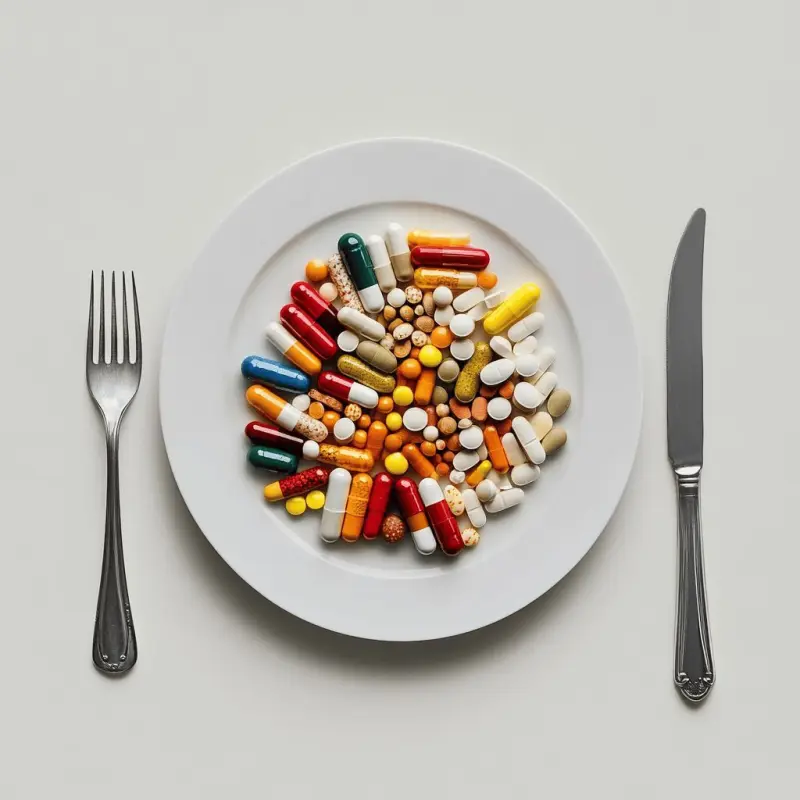
Manganese is a trace mineral that the body needs in very small amounts, but it plays a crucial role in many vital processes such as energy production, supporting bone health, and contributing to the function of antioxidant enzymes.
Although deficiency is rare, understanding the best time to take it, how to improve its absorption, and the appropriate dosage helps maximize its benefits, especially when used as a dietary supplement.
Best Time to Take Manganese
Is there a specific time?
There is no mandatory time to take manganese, but timing can affect its absorption and efficiency in the body.
Taking it with food (the best option)
- During main meals
- Or immediately after eating
Why?
- Reduces stomach disturbances
- Gradually improves its absorption
- Contributes to its integration with other nutrients
When should it be avoided?
It is preferable not to take it with:
- Iron
- Calcium
- Magnesium
- Zinc
It is best to leave a time gap (2–3 hours)
Do coffee and tea affect it?
Yes, due to their content of tannins that may reduce mineral absorption.
- Tea
- Coffee
Therefore, it is preferable not to take the supplement with these beverages directly.
How is Manganese Absorbed in the Body?
Site of absorption
- Small intestine
Absorption rate
This means that the body absorbs a very limited amount, so it relies on dietary balance and internal regulation.
Factors Affecting Absorption
Factors that increase absorption
- Iron deficiency
- Increased body demand
Factors that reduce absorption
- High iron levels
- Calcium and phosphorus (in high doses)
- High-fiber diets
Recommended Daily Allowance
- Men: 2.3 mg per day
- Women: 1.8 mg per day
- Pregnant women: 2.0 mg per day
Safe Upper Limit
What happens when the dosage is increased?
High doses may lead to:
- Tremors
- Difficulty in movement
- Symptoms resembling Parkinson's disease
Do we need supplements?
When might we need them?
- Confirmed deficiency
- Severe malnutrition
- Malabsorption diseases
Practical Tips to Improve Utilization
- Take it with food
- Avoid taking it with iron and calcium
- Maintain a balanced diet
- Avoid excessive supplementation
- Distribute supplements throughout the day
Conclusion
- Best time: with food
- Absorption: low (3–5%)
- Daily dose: 1.8 – 2.3 mg
- Upper limit: 11 mg
- Supplements are often unnecessary
- High doses may cause neurological toxicity