Does Heavy Period Cause Iron Deficiency? When to visit a doctor
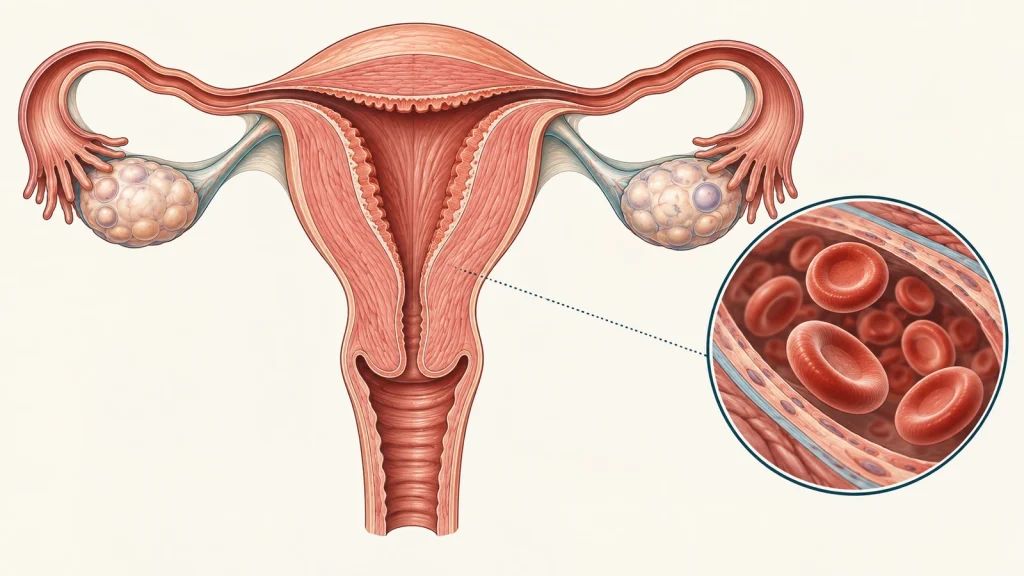
Heavy periods and iron deficiency are closely connected, because repeated blood loss during menstruation means repeated loss of iron from red blood cells. Over time, iron stores may begin to fall even before anemia becomes obvious on a CBC or hemoglobin test. That is why the important question is not only “Do I have anemia?” but also whether your iron stores are already low because of your period.
If your period is heavy, long, or leaves you feeling very tired, dizzy, or pale, a ferritin test may be important to check your iron stores. Some women have low ferritin while hemoglobin is still normal, which means iron depletion has already started before clear anemia appears.
The short answer is yes. Heavy periods can cause iron deficiency and low iron stores, especially if the bleeding is severe or lasts longer than usual. Iron deficiency itself is not usually the direct cause of heavy periods. Heavy bleeding is more often linked to causes such as hormonal imbalance, fibroids, a copper IUD, thyroid problems, or bleeding disorders. That is why proper treatment is not only about replacing iron, but also about finding the reason for the heavy bleeding.
Can heavy periods cause iron deficiency?
Yes. Heavy periods can cause iron deficiency because the body loses blood during menstruation, and blood contains iron inside red blood cells. When blood loss is large or happens every month without enough replacement, the body starts using its stored iron to keep making new blood cells.
At first, iron stores may fall while hemoglobin stays normal. But if heavy bleeding continues for a long time, it can develop into iron deficiency anemia. This means heavy periods can affect iron in two stages:
| Stage | What happens? |
|---|---|
| Low iron stores | Ferritin becomes low while hemoglobin may still be normal |
| Iron deficiency anemia | Hemoglobin drops and clearer symptoms appear, such as fatigue, shortness of breath, and dizziness |
A ferritin test matters because it may detect low iron stores before anemia becomes obvious.
How does menstrual bleeding lower iron stores?
Every month, the body loses some blood during menstruation. In a normal cycle, the body can often replace that loss through food and stored iron. But when periods are heavy, the loss becomes greater than the body’s ability to replace it. With repeated heavy bleeding, the body starts drawing on stored iron to make new blood cells, and if it is not replaced, ferritin falls gradually.
Ferritin is a protein that helps the body store iron. When it is low, it may mean iron stores are already depleted even if anemia has not shown up yet. A ferritin blood test explains in more detail how the result is read and when it becomes concerning.
When is a period considered heavy?
It can be difficult to measure blood loss exactly, so it helps to look at daily signs. Your period may be heavy if one or more of these happens repeatedly:
- You need to change your pad every one to two hours.
- The bleeding lasts longer than 7 days.
- You pass large or repeated blood clots.
- The bleeding makes it hard to go through your day normally.
- You feel severe tiredness or dizziness during your period.
- You develop paleness, palpitations, or shortness of breath with the bleeding.
- Your iron or ferritin keeps dropping despite treatment, especially if your period is heavy every month.
Do not assume these signs are normal just because periods happen every month. It is better to assess the reason for the bleeding and replace iron when needed.
What are the iron deficiency symptoms linked to heavy periods?
Iron deficiency symptoms can appear gradually, and some people confuse them with normal tiredness before or during their period. Iron deficiency symptoms in women are worth reviewing separately in more detail. But when symptoms are strong or continue after the period ends, they may point to low iron stores or iron deficiency anemia:
- Ongoing fatigue that does not improve easily.
- Dizziness or lightheadedness, especially during bleeding days.
- Pale skin or lips.
- Frequent headaches.
- Shortness of breath with effort.
- Heart palpitations.
- Cold hands and feet.
- Noticeable hair loss.
- Weak or brittle nails.
- Poor concentration or unusual sleepiness.
- Severe fatigue before and during the period.
- Slow recovery after the period ends.
Can ferritin be low while hemoglobin is normal?
Yes. Ferritin can be low while hemoglobin is still normal. This means iron stores have already started to fall, but the body has not yet reached the stage of clear anemia. This is one of the most important points many women miss. A CBC may look normal, but symptoms can still be present because stored iron is low.
To understand this better, the difference between anemia and iron deficiency explains this point in depth. Anemia is a later stage, while low iron stores may already be the hidden reason behind symptoms despite a normal CBC.
If you have heavy periods together with tiredness, dizziness, or hair loss, a ferritin test may still be useful even if the regular blood count does not show obvious anemia.
When might you need a ferritin test?
You may need a ferritin test if you have heavy periods or repeated symptoms that fit iron deficiency:
- Heavy or long menstrual bleeding.
- Severe fatigue during or after your period.
- Dizziness, palpitations, or shortness of breath.
- Clear paleness or general weakness.
- Ongoing hair loss.
- A previous history of low iron or anemia.
- Fatigue returning after stopping iron pills.
- Heavy periods since puberty.
- Repeated need for iron supplements.
- A normal CBC with ongoing symptoms that suggest low iron.
What tests might the doctor order?
The tests depend on age, how severe the bleeding is, symptoms, and medical history. When iron deficiency related to heavy periods is suspected, the doctor may also request a vitamin B12 test to rule out low B12 as another reason for symptoms, along with tests such as:
| Test | Why might it be ordered? |
|---|---|
| CBC | To check hemoglobin and blood cell counts |
| Ferritin | To check iron stores |
| Serum Iron | To assess iron level in the blood |
| TIBC or Transferrin Saturation | To understand how well the blood carries iron |
| TSH | To assess the thyroid if periods are irregular or heavy |
| Vitamin B12 and Folate | If another type of anemia is suspected |
| Pregnancy test | If the bleeding is unusual or the period is delayed |
| Bleeding or clotting studies | If periods have been heavy since puberty or there is repeated bleeding |
| Pelvic ultrasound | If fibroids, polyps, or uterine problems are suspected |
Does iron deficiency cause heavy periods?
This is an important question, but the answer needs care. Heavy periods are a common cause of iron deficiency because they lead to blood and iron loss. But saying iron deficiency is the direct cause of heavy periods is usually not accurate.
Heavy periods are more often linked to other causes such as hormonal imbalance, fibroids, a copper IUD, thyroid disorders, or bleeding disorders. Still, iron deficiency and anemia can make periods feel much harder because they add severe fatigue, dizziness, poor stamina, and palpitations.
Heavy periods can cause iron deficiency, but iron deficiency is not usually the main direct cause of heavy periods.
What causes heavy periods besides low iron?
Heavy menstrual bleeding can happen for many reasons, and some of them need medical evaluation, especially if the bleeding is new, severe, or comes with unusual pain:
- Hormonal imbalance.
- Polycystic ovary syndrome.
- Thyroid problems.
- Uterine fibroids.
- Polyps inside the uterus.
- A copper IUD.
- Some blood-thinning medicines.
- Inherited bleeding disorders.
- Inflammation or problems in the uterine lining.
- Perimenopausal changes.
- Pregnancy or miscarriage in some cases when bleeding is unusual.
If periods have been very heavy since the first years after puberty, or if there is nosebleeding, easy bruising, or prolonged bleeding after medical procedures, the possibility of a bleeding disorder may need to be assessed.
Can folic acid reduce heavy periods?
Folic acid does not directly reduce heavy menstrual bleeding. It is a B vitamin, and it may help support red blood cell production if there is a deficiency, but it does not treat the actual cause of heavy bleeding.
If the issue is heavy bleeding together with iron deficiency, the focus is on two things: replacing low iron when needed and identifying and treating the cause of the heavy bleeding. In some cases, a doctor may recommend supplements that combine nutrients such as iron, vitamin C, vitamin B12, or folic acid depending on the test results.
Are iron pills enough?
Iron pills may help when low iron or low ferritin has been confirmed, but pills alone do not always solve the problem if the cause of bleeding continues. If periods are very heavy, pills may replace some of the loss, but iron may fall again after each cycle if the cause is not treated.
Iron pills may be enough when the deficiency is mild to moderate, the bleeding is not extreme, and the body absorbs iron well. Knowing the best time to take iron pills can help improve absorption and avoid things that reduce their effect.
A doctor should be reviewed if ferritin does not improve, symptoms continue, or the period is clearly very heavy.
When might you need iron injections?
A doctor may think about iron injections when the deficiency is severe, when iron pills are not tolerated, or when iron stores do not improve despite staying on treatment. But iron injections are not used just because the period is heavy. The decision should be based on blood tests and how severe the symptoms are. For a clearer explanation, see the difference between iron injections and iron pills and when each one may be more suitable.
Iron injections may be considered in situations such as:
- Clear anemia with symptoms that affect daily life.
- Very low ferritin.
- Not tolerating iron pills because of constipation or nausea.
- Poor iron absorption.
- Needing faster replacement before surgery or in selected cases.
- Iron staying low despite oral treatment.
How can you support iron stores with heavy periods?
Supporting iron stores is not only about taking iron. It also means improving how it is replaced, avoiding things that reduce absorption, and following up on the cause of bleeding. Knowing which foods are rich in iron can help you choose better sources and improve absorption:
- Eat iron-rich foods such as meat, chicken, fish, lentils, beans, spinach, and seeds.
- Add vitamin C with the meal, such as lemon, orange, sweet pepper, or strawberries.
- Avoid tea and coffee directly with iron-rich meals.
- Do not take calcium or milk at the same time as an iron supplement if a doctor prescribed it.
- Stay on treatment for the full period and do not stop iron as soon as fatigue improves.
- Repeat blood tests as advised by the doctor.
- Assess the reason for heavy bleeding if it continues.
When should you see a doctor because of heavy periods?
You should see a doctor if heavy periods are affecting daily life or if they come with symptoms suggesting low iron or anemia:
- Severe dizziness or fainting.
- Shortness of breath or palpitations.
- Severe fatigue that stops you from doing normal daily activities.
- Clear paleness.
- Unusual severe pain.
- Bleeding between periods or after periods have stopped.
- Heavy periods since puberty.
- Iron not improving despite treatment.
If bleeding is extremely heavy, or comes with fainting, severe pain, or marked weakness, urgent medical care is needed.
Conclusion
Heavy periods can cause iron deficiency and low iron stores, and this may happen even before anemia becomes clearly visible on a CBC. So if your periods are heavy or long and come with severe fatigue, dizziness, or hair loss, you may need a ferritin test along with other blood tests.
The key point is that treatment should not be only about taking iron pills. Iron may need to be replaced, but the cause of heavy bleeding also needs to be identified so iron is not lost month after month. If your period is affecting daily life or keeps coming with symptoms of low iron, it is best to see a doctor for proper evaluation and treatment.
This article is for health education only and does not replace medical or pharmacy advice.