Does Iron Deficiency Cause Hair Loss
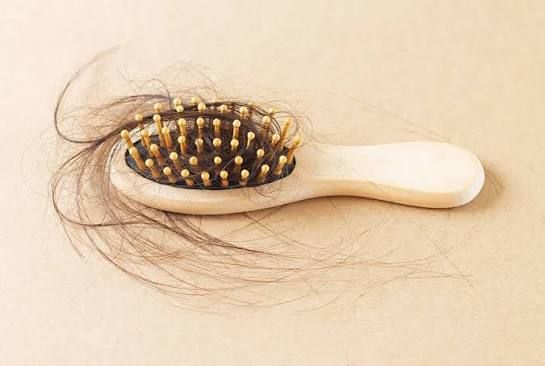
Yes, iron deficiency or low iron stores may contribute to increased hair loss in some people, especially when the deficiency is clear or has been going on for a while. But it is important to understand that hair loss is not always caused by iron alone. It may also be linked to hormones, stress, other vitamin deficiencies, thyroid problems, pregnancy and postpartum changes, or genetic causes.
That is why noticing clear hair loss does not automatically mean you should start iron pills on your own. It is better to understand the relationship between iron deficiency and hair loss, what ferritin means, when checking iron stores is useful, and when other causes should be considered.
The short answer is that iron deficiency may cause or worsen hair loss in some people, especially when ferritin or iron stores are low. But low ferritin is not the only reason for hair loss, and not everyone with hair shedding needs an iron supplement. Tests such as CBC and ferritin help show whether low iron may be part of the problem.
Can iron deficiency cause hair loss?
Iron deficiency may contribute to hair loss because iron is involved in important body functions, including supporting red blood cell production and helping oxygen reach tissues. Since hair follicles need oxygen, nourishment, and continuous cell activity, hair may be affected when iron or iron stores stay low for a long time.
But the relationship is not always straightforward. Some people have clear iron deficiency with hair loss, while others have hair loss for different reasons even though their iron is normal. That is why the symptom alone cannot confirm the cause.
In simple terms, low iron may be one cause of hair loss or a factor that makes it worse, but it is not the only cause and cannot be confirmed without testing.
What is the relationship between ferritin and hair loss?
Ferritin is a protein that helps the body store iron. When ferritin is low, it often means the body’s iron stores are low, even if the hemoglobin level is still normal.
This is why ferritin matters in hair loss. Some people may not show obvious anemia on a CBC, but their iron stores may still be low, and they may notice symptoms such as fatigue, dizziness, hair shedding, weak nails, or poor concentration.
So when talking about ferritin and hair loss, the focus is not only on anemia. It is also on iron storage.
Can hair fall out when hemoglobin is normal?
Yes. Hair loss can happen even when hemoglobin is normal if iron stores are low. In that situation, a CBC may look normal while ferritin shows reduced iron storage.
This matters because some people feel reassured when hemoglobin is normal even though symptoms such as hair loss and fatigue continue. In ongoing hair loss cases, a doctor may request a ferritin blood test together with CBC to understand iron stores more clearly.
What symptoms may appear with low iron stores and hair loss?
Hair loss alone is not enough to diagnose iron deficiency, but when it appears together with other symptoms, a doctor may consider iron and ferritin testing.
Symptoms that may appear with low iron stores include:
- Persistent fatigue or general weakness.
- Dizziness or repeated headaches.
- Pale skin or lips.
- Shortness of breath with effort.
- Heart palpitations.
- Cold hands and feet.
- Weak or brittle nails.
- Difficulty concentrating.
- Craving ice or unusual non-food items.
- Noticeable hair shedding during brushing or showering.
- Slow improvement in hair despite using hair care products.
- Heavy periods in women.
Having more than one of these symptoms with hair loss is a good reason to speak with a doctor and request the right tests.
What does hair loss from low iron stores usually look like?
Hair loss linked to low iron stores is often diffuse, meaning the shedding happens across different parts of the scalp rather than as round, sharply defined bald patches.
You may notice:
- More hair falling out during washing.
- More hair on the pillow or clothes.
- Reduced overall hair density.
- A slightly wider hair part.
- Slower growth of new hair.
- A weaker overall appearance of the hair.
But these signs can also happen with other causes such as stress, thyroid disorders, low vitamin D, hormonal changes, or genetic hair loss. So the pattern alone does not confirm the cause.
When might you need a ferritin test because of hair loss?
You may need a ferritin test if hair loss is ongoing or clearly noticeable, especially when it comes with symptoms of low iron or factors that increase the risk of low iron stores.
Ask the doctor about ferritin testing if you have:
- Hair loss lasting more than several weeks.
- Fatigue or dizziness together with hair loss.
- Heavy periods.
- A previous history of low iron or anemia.
- A diet low in iron.
- Pregnancy or recent childbirth.
- Problems absorbing iron.
- Weak nails or paleness along with hair loss.
- A normal CBC but ongoing symptoms.
- Hair loss returning after stopping iron supplements.
Ferritin testing does not mean iron is the only cause, but it helps show whether low iron stores may be part of the problem.
What tests may matter in hair loss?
With hair loss, a doctor may not stop at iron testing alone because the causes are varied. Depending on the symptoms and the situation, a group of tests may be requested.
| Test | Why it may be requested |
|---|---|
| CBC | To check for anemia or low hemoglobin |
| Ferritin | To check iron stores |
| Serum Iron | To evaluate iron level in the blood |
| TIBC or Transferrin Saturation | To understand how iron is being carried in the body |
| TSH | To assess thyroid function |
| Vitamin D | Because low levels may be linked to hair problems in some people |
| Vitamin B12 | If there is fatigue, tingling, or other signs of deficiency |
| Zinc | In some hair loss cases depending on medical evaluation |
| Hormonal tests | If there is acne, irregular periods, or excess body hair |
Not everyone needs all of these tests. The doctor chooses what is appropriate based on symptoms, age, medical history, and the pattern of hair loss.
What ferritin level is considered suitable for hair?
Many people search for the right ferritin level for hair, but there is no single perfect number that fits everyone.
Ferritin is interpreted differently depending on the laboratory reference range, age, sex, inflammation in the body, and overall health. The body’s iron needs are not judged by one number alone, but by symptoms, test results, and the reason for the deficiency.
It is better to think of it this way:
- Low ferritin may point to low iron stores.
- Normal hemoglobin does not always rule out low iron stores.
- High ferritin does not always mean iron status is excellent, because it can rise with inflammation.
- A doctor decides whether the number needs treatment or only follow-up.
So hair treatment should not be based on ferritin alone without proper medical evaluation.
Does low iron stores always cause hair loss?
No. Low iron stores may contribute to hair loss, but they do not always cause it in every person. Also, treating low iron does not mean hair shedding will stop immediately, because the hair growth cycle takes time.
Low ferritin may be only one part of the issue, while other causes may also be present, such as:
- Genetic hair loss.
- Severe stress.
- Thyroid disorders.
- Low vitamin D or low B12.
- Hormonal problems.
- Postpartum shedding.
- Rapid weight loss.
- Some medications.
- Scalp diseases.
- Tight hairstyles or traction.
That is why severe or ongoing hair loss should not automatically be blamed on iron alone.
Can anemia cause hair loss?
Yes. Iron deficiency anemia may contribute to hair loss in some people. When hemoglobin falls because of low iron, the body may not deliver oxygen as efficiently, and symptoms such as fatigue, dizziness, paleness, shortness of breath, and hair loss may appear.
But anemia does not always mean iron deficiency alone. It can also happen because of low vitamin B12, low folate, chronic disease, or other causes. To understand the distinction more clearly, see the difference between anemia and iron deficiency.
Can hair grow back after treating iron deficiency?
If hair loss is truly related to iron deficiency or low ferritin, the hair may gradually improve after the deficiency is treated. But improvement takes time, because hair has a slow growth cycle, and shedding may continue for a while before you notice clearer progress.
Improvement does not usually appear immediately after starting treatment. The body may need time to rebuild iron stores first, and then the follicles may begin responding gradually.
It is also important to treat the reason behind the low iron. If the cause is heavy periods, poor absorption, or low dietary iron intake, the shedding may return if the underlying cause is not addressed.
When does hair loss improve after treating low iron?
There is no single timeline that fits everyone. Hair shedding may begin to improve gradually after the cause is treated, but hair often needs months before density improves more clearly.
The timeline may be affected by:
- How severe the iron deficiency is.
- How long ferritin stayed low before treatment.
- Whether anemia is present or not.
- The reason for the iron deficiency.
- Whether other causes of hair loss are also present.
- How well the person follows treatment and follow-up.
- Nutrition and overall health.
If hair loss continues even after ferritin and hemoglobin improve, there may be another cause that needs evaluation by a dermatologist.
Are iron pills enough to treat hair loss?
Iron pills may help if hair loss is linked to iron deficiency confirmed by testing. But they are not enough if the real cause is something else, such as hormonal imbalance, genetic hair loss, a scalp disorder, or deficiency of other nutrients.
Iron pills also need to be used correctly so the body can benefit from them. Taking them with tea, coffee, milk, or calcium may reduce absorption in some people. That is why it can help to review the best time to take iron pills for better use.
When might iron injections be needed instead of pills?
Iron injections are not used to treat hair loss directly, but they may be a medical option when there is clear iron deficiency and iron pills did not work, were not tolerated, there is poor absorption, or the deficiency is severe and needs faster replacement.
The decision to use injections depends on the lab results and the overall condition, not on hair loss alone. You can review iron injections to understand when a doctor may choose them instead of pills.
What causes of low iron may appear with hair loss?
If hair loss is linked to low iron, it is important to understand the reason for the deficiency so it does not keep returning after treatment.
Common causes include:
- Heavy periods.
- Low intake of iron-rich foods.
- Pregnancy or postpartum changes.
- Frequent blood donation.
- Poor iron absorption.
- Having tea or coffee regularly with iron-containing meals.
- Some digestive diseases.
- Ongoing bleeding.
- Very restrictive dieting.
- Not staying on iron treatment long enough.
If you have heavy periods together with hair loss, it may help to read about heavy periods and iron deficiency to understand the connection between monthly bleeding and iron stores.
How can iron stores and hair health be supported?
Supporting hair starts with knowing the cause, then correcting the deficiency when it is present. If ferritin is low or iron deficiency exists, these steps may help alongside the doctor’s plan:
- Eat iron-rich foods such as meat, chicken, fish, lentils, beans, spinach, and seeds.
- Add vitamin C with meals to improve iron absorption, such as lemon, orange, or sweet pepper.
- Avoid tea and coffee directly with iron-rich meals.
- Do not take calcium at the same time as an iron supplement if the doctor prescribed it.
- Stay on treatment long enough and do not stop as soon as fatigue improves.
- Repeat ferritin and hemoglobin testing as advised by the doctor.
- Pay attention to protein intake and overall nutrition, because hair needs more than iron alone.
- Avoid strong pulling, harsh heat, and aggressive hair practices.
- See a dermatologist if shedding continues.
When is low iron not the cause of hair loss?
Low iron may not be the cause if tests are normal, if the hair loss appears as clearly defined patches, or if there are other signs pointing to a different reason.
Other common causes of hair loss include:
- Genetic hair loss.
- Alopecia areata.
- Thyroid disorders.
- Low vitamin D or B12.
- Stress or psychological shock.
- Postpartum or hormonal changes.
- Polycystic ovary syndrome.
- Some medications.
- Inflammation or severe dandruff of the scalp.
- Crash diets or low protein intake.
If shedding is sudden, severe, or patchy, it is better to see a dermatologist rather than relying only on iron supplements.
Can low iron cause hair loss in children?
Low iron in children may affect general health and may possibly affect hair in some cases, but hair loss in children needs special evaluation. Children should not be given iron supplements without testing or a prescription, because pediatric iron doses must be accurate and safe.
Hair loss in children may also be linked to other causes such as alopecia, scalp fungus, nutrient deficiency, traction, or other medical problems. It is best to speak with a pediatrician or dermatologist if clear hair loss is noticed.
When should you see a doctor because of hair loss?
See a doctor if hair loss is clear or ongoing, or if it comes with other symptoms.
Medical evaluation is a good idea if you notice:
- Severe or sudden hair loss.
- Bald patches or empty areas of hair.
- Hair shedding lasting more than several weeks.
- Severe fatigue, dizziness, or paleness.
- Heavy periods together with hair loss.
- Itching, pain, or severe scalp scaling.
- No improvement even after treating low iron.
- Hair loss in children.
- Hormonal symptoms such as irregular periods or severe acne.
- Unexplained weight loss or recent illness.
A doctor can help find the real cause instead of trying many supplements and products without results.
Frequently Asked Questions
Does iron deficiency cause hair loss?
Yes, low iron or low iron stores may contribute to increased hair loss in some people. But it is not the only cause, and hair loss may also be linked to hormones, stress, other vitamin deficiencies, or thyroid problems.
What is the relationship between ferritin and hair loss?
Ferritin is the protein that stores iron. When it is low, a person may have hair loss even if hemoglobin is still normal. That is why ferritin testing is important in hair loss cases alongside CBC.
Can hair fall out when hemoglobin is normal?
Yes. Hemoglobin can still be normal while ferritin is low, which means iron stores are already reduced before obvious anemia develops.
Does low iron always cause hair loss?
No. Low iron may contribute to hair loss in some people, but it does not always cause it. Treating low iron also does not mean shedding stops immediately, because hair takes time to recover.
Are iron pills enough to treat hair loss?
Iron pills may help if the hair loss is linked to iron deficiency confirmed by testing. But they are not enough if the real cause is hormonal, genetic, or related to other nutrient deficiencies.
What ferritin level is suitable for hair?
There is no single ideal ferritin number for everyone. Ferritin is interpreted based on the lab reference range, age, sex, inflammation, symptoms, and the rest of the test results.
When does hair loss improve after treating low iron?
There is no one exact timeline. Improvement starts gradually after the cause is treated, but hair often needs months before density improves more clearly. If shedding continues despite better ferritin, there may be another cause.
Can hair grow back after treating low iron?
If iron deficiency is truly part of the cause, hair may improve gradually after treatment. But the reason behind the iron deficiency, such as heavy periods or poor absorption, must also be addressed so the problem does not return.
Conclusion
Iron deficiency may cause or worsen hair loss in some people, especially when ferritin or iron stores are low. But hair loss does not always mean iron deficiency is present, and iron supplements should not be used randomly without testing.
Ferritin is important because it helps show iron stores even when hemoglobin is still normal. If hair loss is ongoing or comes with fatigue, dizziness, heavy periods, paleness, or weak nails, it is best to see a doctor to find the cause and build a proper treatment plan.
For more about the role of minerals in body and hair health, you can visit the dedicated section on Vitaminati.
This article is for health education only and does not replace medical or pharmacy advice.
Trusted Medical Sources
- NHS: Iron Deficiency Anaemia.
- NIH Office of Dietary Supplements: Iron Fact Sheet.
- Cleveland Clinic: Iron Deficiency and Hair Loss.
- Cleveland Clinic: Telogen Effluvium.
- Journal of the American Academy of Dermatology: Iron Deficiency in Female Pattern Hair Loss and Chronic Telogen Effluvium.
- Dermatology Practical & Conceptual: Diet and Hair Loss.
- PubMed: Diagnosis and Treatment of Iron Deficiency and Its Potential Relationship to Hair Loss.