Endometriosis: The Real Understanding of Pain and How to Manage It
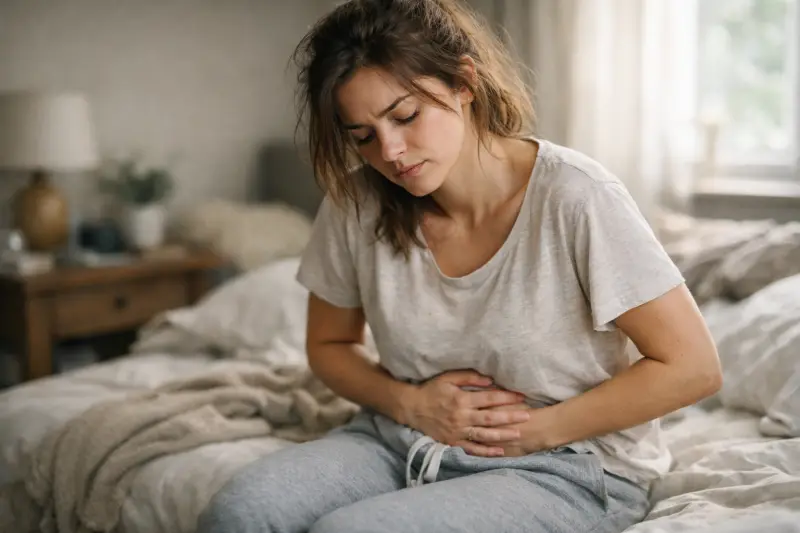
Endometriosis is a chronic condition in which tissue similar to the lining of the uterus grows outside the uterus. This tissue may appear on the ovaries, fallopian tubes, tissues around the pelvis, and sometimes near the bladder or bowel. With each menstrual cycle, these tissues may respond to hormonal changes, leading to inflammation, pain, scarring, and adhesions in some cases.
Endometriosis is not simply “strong period pain.” It can affect quality of life, sleep, daily activity, intimacy, mental health, and fertility. This is why understanding the symptoms and seeking early medical evaluation can help shorten years of pain and delayed diagnosis.
In this article, we explain endometriosis symptoms, possible causes, diagnosis, medical treatment options, lifestyle support, fertility impact, and when to see a doctor.
For more Vitaminati content on women’s health, you can also read Treat Female Infertility: Causes and Symptoms, or The Importance of Preventive Care and Chronic Diseases.
What Is Endometriosis?
The normal uterine lining is the tissue that lines the inside of the uterus. It thickens during the menstrual cycle in preparation for pregnancy, then sheds during menstruation if pregnancy does not occur. In endometriosis, tissue similar to this lining grows outside the uterus and cannot leave the body in the same way.
This may irritate nearby tissues, cause inflammation, create scar tissue or adhesions, and lead to repeated pain, especially around menstruation. Symptoms may be severe even when the amount of visible disease is limited, and pain severity does not always match disease stage.
Symptoms of Endometriosis
Symptoms vary from one woman to another. Some women experience severe pain, while others may discover the condition during fertility evaluation. Common symptoms include:
- Severe menstrual pain: especially pain that interferes with school, work, or daily life.
- Chronic pelvic pain: pain that may continue even outside the menstrual period.
- Pain during intercourse: especially deep pain during or after sex.
- Pain with urination or bowel movements: especially during menstruation.
- Heavy periods or irregular bleeding: in some women.
- Bloating, nausea, or digestive symptoms: often worse around the period.
- Chronic fatigue: which may be linked with pain, inflammation, or poor sleep.
- Difficulty getting pregnant: sometimes the first reason a woman seeks evaluation.
When Is Period Pain a Warning Sign?
Mild or moderate cramps may happen with menstruation, but some signs suggest the pain needs medical attention:
- Pain that does not improve with usual pain relievers.
- Pain that prevents work, study, or normal daily activity.
- Pain that starts days before the period and continues afterward.
- Pain during intercourse.
- Pain with bowel movements or urination during menstruation.
- Difficulty getting pregnant along with pelvic pain or severe period pain.
What Causes Endometriosis?
The exact cause of endometriosis is still not fully understood. It is believed to involve several possible mechanisms and risk factors, including:
- Retrograde menstruation: menstrual blood may flow backward through the fallopian tubes into the pelvis instead of leaving the body.
- Immune factors: the immune system may not recognize or remove endometriosis-like tissue outside the uterus effectively.
- Genetic factors: having a family history may increase the likelihood of developing the condition.
- Cellular changes: some cells in the pelvic area may transform into endometrium-like cells under certain influences.
- Hormonal factors: estrogen may contribute to the growth and persistence of endometriosis tissue.
Having one possible factor does not mean endometriosis is certain, and the condition cannot always be prevented. However, awareness of symptoms can support earlier diagnosis and management.
How Is Endometriosis Diagnosed?
Endometriosis can be difficult to diagnose because its symptoms may resemble other conditions such as ovarian cysts, irritable bowel syndrome, pelvic inflammatory disease, or bladder problems. Doctors usually use several steps to assess the condition.
1. Medical History and Symptom Review
The doctor may ask about the pattern of pain, its relationship to the menstrual cycle, severity, impact on daily life, pain during intercourse, digestive or urinary symptoms, and difficulty getting pregnant. Tracking symptoms in a notebook or app can make the pattern clearer.
2. Pelvic Examination
A pelvic exam may help identify tenderness, masses, or signs that suggest ovarian endometriomas or adhesions. However, it is not enough on its own to confirm the condition.
3. Ultrasound or MRI
Ultrasound may help detect ovarian endometriomas, while MRI may be useful in more complex cases or when deep endometriosis is suspected. However, imaging may be normal even when endometriosis is present.
4. Laparoscopy
Laparoscopy may be used to confirm the diagnosis or treat lesions and adhesions, especially when symptoms are severe, other treatments have not helped, or fertility is affected. It is a surgical procedure, so its benefits and risks should be discussed with the doctor based on each case.
Endometriosis and Fertility
Endometriosis may be associated with difficulty getting pregnant in some women, but it does not always mean infertility. Some women conceive naturally, while others may need medical treatment, surgery, or fertility support.
The condition may affect fertility through inflammation, adhesions, ovarian cysts, effects on the fallopian tubes, or changes in the environment around the egg and sperm. Management depends on age, how long pregnancy has been attempted, disease severity, test results, ovulation, and fallopian tube health.
If fertility is part of your concern, you may also find Treat Female Infertility: Causes and Symptoms helpful. Fertility-focused supplements such as MYOFOL Plus may be designed for specific concerns such as ovulation support or PCOS-related reproductive health, but they are not a direct treatment for endometriosis.
Medical Management of Endometriosis
There is no single treatment plan that fits every case. The best approach depends on pain severity, age, pregnancy plans, lesion location, presence of cysts or adhesions, and response to previous treatments.
1. Pain Relief
Nonsteroidal anti-inflammatory drugs such as ibuprofen or naproxen may help reduce period pain in some women, but they do not treat the underlying condition. They should be used carefully by people with stomach problems, kidney disease, bleeding risk, or certain medications.
2. Hormonal Therapy
Doctors may recommend hormonal treatments to reduce the activity of endometriosis tissue and relieve pain. Options may include combined birth control pills, progestins, hormonal intrauterine devices, or other medicines such as GnRH-related therapies depending on the case.
These treatments are not suitable for everyone, especially women who are actively trying to become pregnant, so they should be selected with medical guidance.
3. Surgery When Needed
Laparoscopic surgery may be used to remove endometriosis lesions, adhesions, or ovarian cysts, particularly in cases of severe pain, large cysts, or fertility concerns in certain situations. Some cases may need a specialized team if the tissue is close to the bowel or bladder.
4. Fertility Support
If endometriosis is linked with delayed pregnancy, a doctor may discuss options such as ovulation support, intrauterine insemination, or in vitro fertilization depending on age, test results, and disease severity.
Lifestyle and Natural Support
Lifestyle changes do not cure endometriosis, but they may help some women improve quality of life and reduce triggers related to pain, inflammation, or stress.
Anti-Inflammatory Eating Pattern
Some women may benefit from a nutrient-rich eating pattern that emphasizes antioxidants and healthy fats, such as:
- Leafy and colorful vegetables.
- Berries and antioxidant-rich fruits.
- Fatty fish as a source of omega-3.
- Olive oil, nuts, and seeds.
- Legumes and whole grains when tolerated.
Reducing ultra-processed foods, trans fats, excess sugar, and alcohol may also help overall health. Responses vary from person to person, so strict diets should not be started without professional guidance.
Exercise and Gentle Movement
Regular movement such as walking, yoga, or stretching may help improve circulation, reduce stress, and support mood. During pain flares, gentle activity or rest may be more suitable than intense exercise.
Stress-Reduction Techniques
Chronic pain can increase stress, and stress may increase pain sensitivity. Techniques such as deep breathing, meditation, behavioral therapy, or psychological support may help improve coping and quality of life.
Heat Therapy
Warm compresses or warm baths may help relieve cramps in some women. They are a temporary comfort measure and should not replace medical evaluation.
Supplements: Can They Help With Endometriosis?
No dietary supplement can cure endometriosis or remove endometriosis tissue. However, some supplements may support general health, inflammation balance, muscle relaxation, or fertility in certain situations. They should be used after consulting a doctor or pharmacist, especially if you use hormonal medication, pain relievers, blood thinners, or are trying to conceive.
- Omega-3: may support inflammation balance as part of a healthy diet.
- Magnesium: may help some women with cramps or muscle relaxation when intake is low or deficiency is present.
- B vitamins: support energy and nervous system function, but they are not a direct treatment for endometriosis.
- Zinc and selenium: support immune and reproductive health when intake is insufficient.
- Curcumin: a compound found in turmeric that is studied for inflammation, but caution is needed with blood thinners or before surgery.
- CoQ10 or myo-inositol: may be used in fertility or ovulation-related contexts, but they should not be considered direct treatments for endometriosis.
The Emotional and Mental Health Side
Endometriosis is not only a physical condition. Chronic pain, delayed diagnosis, symptoms affecting intimacy, and concerns about fertility can create significant emotional stress.
Some women may experience:
- Frustration because their pain was dismissed or diagnosis was delayed.
- Anxiety or sadness related to chronic pain.
- Relationship stress due to pain during intercourse or fatigue.
- Fear about fertility and future pregnancy.
A support system is very important, whether it comes from family, a partner, friends, support groups, or a mental health professional. Emotional support is not secondary; it is part of living with a chronic condition.
When Should You See a Doctor?
See a gynecologist if you experience:
- Severe period pain that disrupts your life.
- Persistent or repeated pelvic pain.
- Pain during intercourse.
- Pain with urination or bowel movements during menstruation.
- Heavy or abnormal bleeding.
- Difficulty getting pregnant.
- Digestive or urinary symptoms that repeatedly worsen around menstruation.
The earlier the evaluation, the better the chance of building a plan that reduces pain and supports quality of life and fertility.
FAQs
1. Is endometriosis dangerous?
Endometriosis is a chronic condition that may be painful and affect quality of life and fertility in some women, but it is not cancer. It requires follow-up and an appropriate management plan based on symptoms.
2. Can endometriosis happen with a normal ultrasound?
Yes. Ultrasound may be normal in some cases, especially if there are no visible ovarian cysts. Doctors also consider symptoms, examination, and may request additional imaging or discuss laparoscopy when needed.
3. Does every painful period mean endometriosis?
No. Period pain can have many causes. However, severe pain that disrupts life or occurs with pain during intercourse, bowel movements, urination, or difficulty getting pregnant should be evaluated.
4. Does endometriosis prevent pregnancy?
Not always. Some women with endometriosis conceive naturally, while others may need treatment or fertility support depending on disease severity, age, ovulation, and fallopian tube health.
5. Can endometriosis be cured permanently?
There is no guaranteed permanent cure for every case, but pain and symptoms can often be managed with hormonal therapy, pain relief, surgery when needed, and lifestyle support.
6. Are supplements enough to treat endometriosis?
No. Supplements may support general health in some cases, but they do not treat endometriosis and should not replace care from a gynecologist.
7. Can diet reduce endometriosis symptoms?
An anti-inflammatory eating pattern may help some women reduce discomfort and support general health, but responses vary and diet should not replace medical care.
Conclusion
Endometriosis is a real and chronic condition that may cause severe pain, fatigue, disruption to daily life, and sometimes difficulty getting pregnant. Severe period pain should not be ignored, especially when it affects work, school, relationships, or quality of life.
Early diagnosis, listening to symptoms, and seeing a gynecologist can make a major difference. Management may include pain relief, hormonal therapy, surgery when needed, fertility support, and lifestyle measures that reduce stress and support overall health.
If you are living with these symptoms, you are not alone. There are real options to reduce pain, improve quality of life, and receive appropriate medical and emotional support.