Foods High in Chromium: Best Sources and Daily Intake
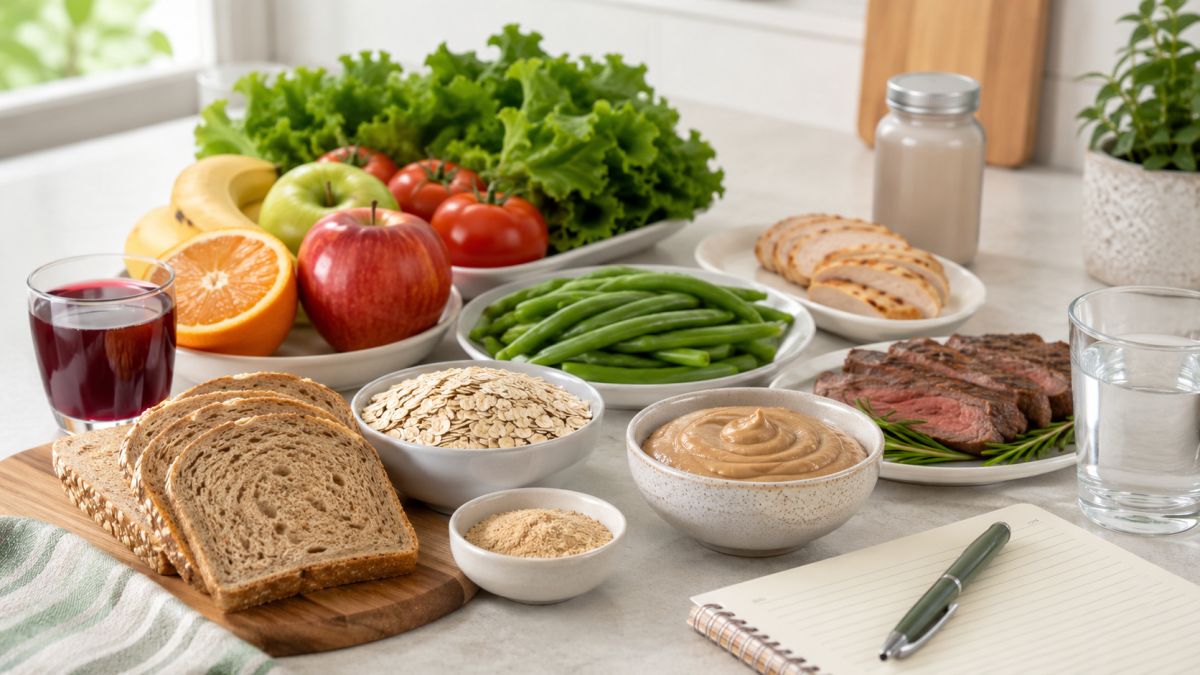
Foods high in chromium include whole grains, brewer’s yeast, certain meats, vegetables, and fruits. Chromium is usually present in relatively small amounts, so it is better to obtain it from a varied diet rather than depend on one specific food.
Chromium is a trace mineral naturally found in certain foods. It is involved in how the body processes carbohydrates, fats, and proteins. Before considering supplements, it may be helpful to understand the benefits, forms, and uses of chromium.
For most people, eating a varied and balanced diet is the most practical way to obtain chromium and other important nutrients.
What Is Chromium and Why Is It Important?
The form of chromium found in foods and dietary supplements is trivalent chromium, also known as chromium III. It has mainly been studied for its possible role in supporting insulin activity.
Insulin is the hormone that helps move glucose from the bloodstream into cells. Chromium is also associated with the metabolism of carbohydrates, fats, and proteins, although the body needs only very small amounts.
Chromium is a mineral rather than a vitamin. Understanding the difference between vitamins and minerals can help explain how the body obtains and uses these nutrients.
What Foods Are High in Chromium?
Chromium is present in several food groups. However, the amount in a food can vary depending on how it was grown, processed, and prepared.
| Food | Serving size | Approximate chromium content |
|---|---|---|
| Grape juice | 1 cup | 7.5 micrograms |
| Whole-wheat bread or English muffin | 1 piece | About 3.6 micrograms |
| Brewer’s yeast | 1 tablespoon | About 3.3 micrograms |
| Orange juice | 1 cup | About 2.2 micrograms |
| Beef | About 85 grams | About 2 micrograms |
| Lettuce | About 140 grams | About 1.8 micrograms |
| Turkey breast | About 85 grams | About 1.7 micrograms |
| Tomatoes or tomato juice | 1 cup | About 1.5 micrograms |
| Apple with peel | 1 medium apple | About 1.4 micrograms |
| Green beans | ½ cup | About 1.1 micrograms |
| Whole-wheat bread | 1 slice | About 1 microgram |
| Banana | 1 medium banana | About 1 microgram |
These values are approximate because chromium levels can vary between different foods and products.
Although grape juice appears near the top of the list, this does not mean it is the best everyday chromium source. Juice contains less fiber and more concentrated natural sugars than whole fruit.
Some processed meats may also contain chromium, but they are not necessarily the best choice for frequent consumption because of their sodium content and level of processing.
What Are the Best Plant-Based Sources of Chromium?
People following vegetarian or plant-based diets can obtain chromium from several foods, including:
- Whole grains and whole-wheat bread
- Oats
- Brewer’s yeast
- Green beans
- Peas and legumes
- Lettuce and tomatoes
- Apples, bananas, and oranges
- Peanut butter and nuts
Eating several plant-based foods throughout the day can provide small amounts of chromium together with fiber, vitamins, and other minerals.
What Are the Animal Sources of Chromium?
Animal sources of chromium include:
- Beef
- Turkey
- Chicken
- Fish
- Certain processed meats
Dairy products are not among the richest chromium sources. It is therefore better to combine whole grains, vegetables, fruits, and protein foods instead of depending on milk or cheese alone.
Which Fruits Contain Chromium?
Several fruits contain small amounts of chromium, including:
- Apples
- Bananas
- Oranges
- Grapes
Whole fruit is generally a better option than fruit juice because it provides fiber, supports fullness, and contains less concentrated sugar.
How Much Chromium Does the Body Need Each Day?
There is no established Recommended Dietary Allowance for chromium. However, Adequate Intake values are used as a general reference.
| Group | Daily intake for men | Daily intake for women |
|---|---|---|
| Ages 19 to 50 | 35 micrograms | 25 micrograms |
| Ages 51 and older | 30 micrograms | 20 micrograms |
| Pregnancy | Not applicable | 30 micrograms |
| Breastfeeding | Not applicable | 45 micrograms |
These figures represent intake levels considered suitable for most healthy people. They are not treatment doses or recommendations for supplement use.
Does Cooking Affect Chromium in Food?
Chromium is a mineral, so it is not destroyed by heat in the same way as some vitamins. However, some chromium may move into cooking water when foods are boiled.
Using cooking methods such as steaming or preparing food with a small amount of water may help retain the nutrients naturally present in vegetables.
Can You Get Enough Chromium From Food?
Most people can obtain chromium from a varied diet without calculating the amount in every meal.
To include a wider range of chromium sources in your diet:
- Choose whole grains instead of refined grains when possible.
- Eat a variety of vegetables and fruits each day.
- Add legumes and nuts to meals and snacks.
- Choose lean protein sources such as chicken, turkey, and fish.
- Do not rely on juice or processed meats as your main chromium sources.
Do Foods High in Chromium Help Regulate Blood Sugar?
Chromium may be involved in insulin activity, but eating a chromium-containing food does not mean it will lower blood sugar or manage insulin resistance.
People with diabetes or prediabetes need a complete care plan that may include appropriate nutrition, physical activity, blood glucose monitoring, prescribed medication, and regular medical follow-up.
Chromium-rich foods and chromium supplements should not be used as substitutes for diabetes medication or professional care.
Do You Need Chromium Supplements?
Most healthy people do not need chromium supplements routinely, especially when they follow a varied diet.
Some chromium supplements contain between 200 and 500 micrograms per serving, which is much higher than the amount usually obtained from food.
Consult a doctor or pharmacist before using chromium supplements in the following situations:
- You have diabetes or take blood glucose-lowering medication.
- You use insulin.
- You take levothyroxine for a thyroid condition.
- You have kidney or liver disease.
- You are pregnant or breastfeeding.
Taking chromium with insulin or diabetes medication may increase the risk of low blood sugar. Chromium may also reduce the absorption of levothyroxine when both are taken at the same time.
Frequently Asked Questions About Foods High in Chromium
1. What foods contain the most chromium?
Food sources of chromium include whole grains, brewer’s yeast, meats, turkey, green beans, tomatoes, lettuce, apples, and bananas. The amount of chromium can vary between foods and products.
2. Which fruits contain chromium?
Chromium is present in small amounts in apples, bananas, oranges, and grapes. Whole fruit is generally a better choice than juice because it also provides fiber.
3. Are there plant-based sources of chromium?
Yes. Plant-based sources include whole grains, brewer’s yeast, green beans, peas, tomatoes, lettuce, apples, bananas, and peanut butter.
4. How much chromium does the body need each day?
The Adequate Intake for men aged 19 to 50 is 35 micrograms per day, while women of the same age need 25 micrograms per day. Needs vary with age, pregnancy, and breastfeeding.
5. Can you get enough chromium from food alone?
Most people can obtain chromium from a varied diet containing whole grains, vegetables, fruits, and protein-rich foods.
6. Does chromium help lower blood sugar?
Foods containing chromium are not a treatment for high blood sugar. People with diabetes should follow their prescribed nutrition plan, medications, and medical monitoring.
7. Does everyone need a chromium supplement?
Most healthy people do not need chromium supplements routinely. A doctor or pharmacist should be consulted before use, especially with diabetes medicines or levothyroxine.
8. Does cooking affect chromium in food?
Chromium is a mineral and is not destroyed by heat like some vitamins, although some may move into cooking water during boiling.
Conclusion
Foods high in chromium include whole grains, brewer’s yeast, meats, turkey, green beans, tomatoes, lettuce, apples, and bananas.
Most people can obtain chromium from a varied diet without taking supplements. Consuming more chromium does not necessarily provide additional benefits, particularly because supplements may interact with certain medications.
This article is intended for general educational purposes. If you are pregnant, breastfeeding, have a medical condition, or take medication, consult a healthcare professional before using dietary supplements.