Hibiscus: The Comprehensive Guide to Its Benefits and Role in Supporting Heart and Body Health
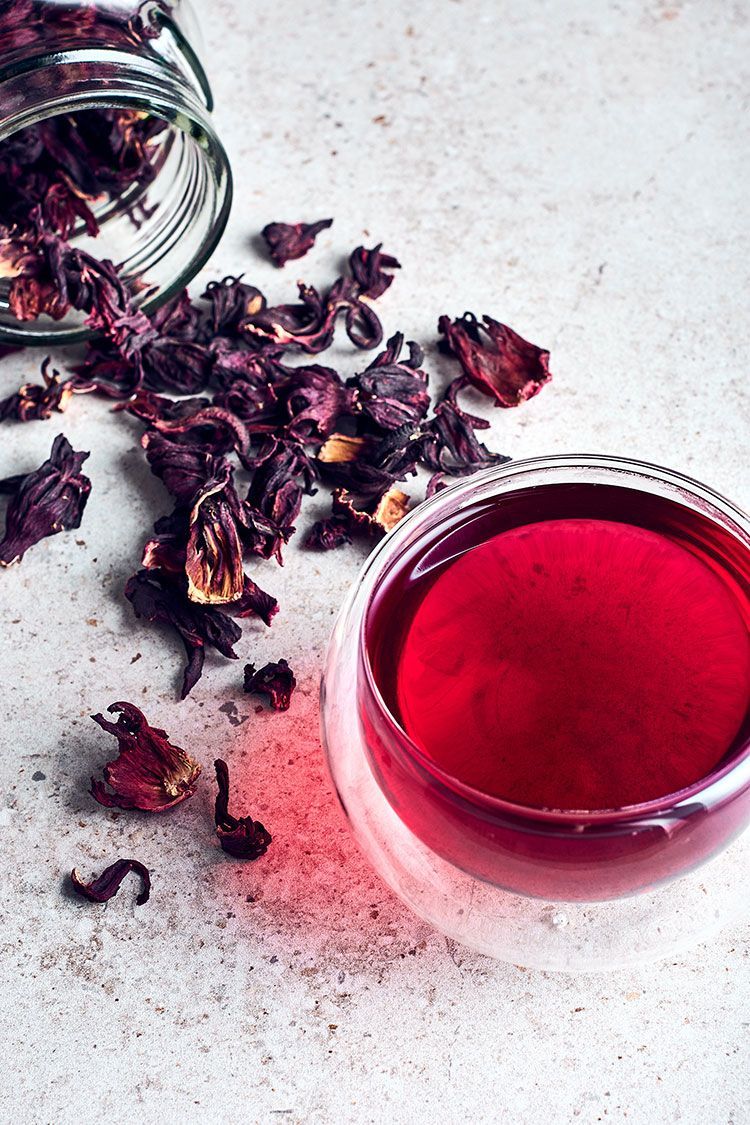
Hibiscus (Hibiscus sabdariffa) is considered an herbaceous plant that has gained widespread attention in the fields of public health and nutritional therapy due to its content of bioactive compounds such as flavonoids, organic acids, and anthocyanins, which contribute to improving various body functions. Hibiscus is used in the form of tea, juices, or dietary supplements, and is renowned for its effects on blood pressure and supporting cardiovascular health.
Hibiscus:
What is Hibiscus and why is it widely regarded for health use?
- Hibiscus is a flowering herb known for its bright red colors and delicious tart flavor.
- It contains powerful antioxidants such as anthocyanins and flavonoids, which help protect cells from oxidative damage.
- It aids in regulating blood pressure in individuals with mild to moderate hypertension.
- Traditionally, it is used as an adjunct to improve digestion, support immunity, and enhance liver health.
The scientific interest in hibiscus stems from studies on its cardiovascular benefits, anti-inflammatory effects, and its moderate impact on weight management.
Benefits of Hibiscus:
The main benefits of hibiscus for the body in general
- Support for cardiovascular health
- It lowers systolic and diastolic blood pressure in some individuals through its vasodilatory effects.
- Antioxidants and cell protection
- Flavonoids and anthocyanins help combat free radicals and reduce oxidative stress, protecting against premature aging and heart problems.
- Improvement of digestion and liver functions
- The organic acids in hibiscus help soothe the stomach, support bowel movement, and moderately enhance liver functions.
- Control of fat and sugar levels
- Some studies suggest that hibiscus may help reduce levels of harmful cholesterol (LDL) and moderately improve blood sugar levels.
- Immune support
- Its content of vitamin C and antioxidants contributes to enhancing the body's defense against infections.
Common uses of hibiscus in daily routines
- Daily beverage: Hot or cold hibiscus tea for hydration and antioxidant benefits.
- Natural juices and drinks: Blended with fruits to provide a refreshing flavor and additional health benefits.
- Dietary supplement: In the form of capsules or concentrated extracts, especially to support blood pressure and heart health.
- Topical uses: Included in some cosmetic products for its antioxidant benefits and moisturizing effects.
Drinking Hibiscus:
Does the effectiveness of hibiscus vary by the form used?
- Fresh tea: Provides moderately effective compounds, suitable for daily use.
- Concentrated juices: May contain a higher concentration of antioxidants, but may also have added sugars that affect the benefits.
- Dietary supplements: Provide specific and consistent doses of the active extract, suitable for those looking to target blood pressure or heart benefits precisely.
Best ways to use hibiscus based on the goal
- To lower blood pressure: It is recommended to consume two to three cups of hibiscus tea daily or follow the recommended supplement dosages.
- To support digestion: Hibiscus tea after meals can help soothe the stomach and improve bowel movement.
- To enhance antioxidants: Using natural juice or supplements rich in anthocyanins and flavonoids achieves the highest benefit.
- For daily hydration: Cold hibiscus tea is a refreshing and beneficial drink while maintaining hydration.
When might the use of hibiscus be appropriate?
- Individuals with mild to moderate hypertension.
- Those looking to support cardiovascular health daily.
- People seeking a drink rich in antioxidants as part of a healthy diet.
- Preventive use to improve digestive and liver functions in mild cases.
What should be noted before consuming hibiscus?
- Daily dosage: Excessive consumption may cause overly low blood pressure.
- Pregnancy and breastfeeding: Consultation with a doctor is advised before internal use.
- Medications: Especially blood pressure and diabetes medications, to avoid potential interactions.
- Allergies: Some individuals may have allergies to similar ornamental plants.
Risks of Hibiscus:
Main interactions or precautions associated with hibiscus
- It may enhance the effect of blood pressure-lowering medications when taken with supplements.
- It can affect blood sugar levels, so monitoring is necessary for diabetic patients.
- Excessive use may lead to mild cramping or digestive disturbances.
- Choose products free from preservatives or added sugars.
How to choose a good hibiscus product if available as a supplement
- Check the concentration of the active extract, especially anthocyanins.
- Ensure the product is free from harmful artificial additives.
- Select reputable and certified brands.
- Read the label to ensure the appropriate dosage and duration of use.
- Check the expiration date and storage method to maintain effectiveness.
Frequently Asked Questions about Hibiscus
Q: Does hibiscus tea actually lower blood pressure?
A: Yes, studies indicate a moderate reduction in systolic and diastolic pressure in some individuals when consumed regularly, but it is not a substitute for medications in severe cases.
Q: Can hibiscus be consumed daily?
A: Yes, provided that one does not overconsume and adheres to the appropriate dosage, typically two to three cups daily is safe for healthy adults.
Q: Is hibiscus safe for pregnant women?
A: Consultation with a doctor is recommended before internal use, as it may affect pregnancy when taken in high doses.
Q: Do the benefits differ between tea, juice, and supplements?
A: Yes, supplements provide a more concentrated and precise dose, while tea and natural juice are suitable for light and varied daily use.
Conclusion:
Hibiscus is a natural plant with multiple benefits, especially for supporting blood pressure, heart health, and digestion. Choosing the appropriate form, adhering to the dosage, and being mindful of precautions ensures safe and effective use as part of a healthy lifestyle.
Reliable scientific sources • World Health Organization • National Institutes of Health • European Food Safety Authority • Office of Dietary Supplements