How Cooking Methods Affect Vitamin Content in Food?
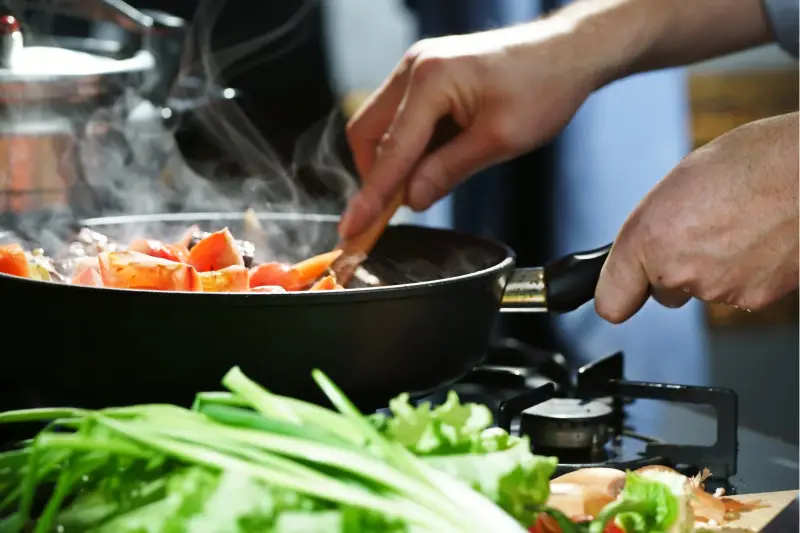
Does cooking destroy vitamins? Not completely. Cooking can reduce the amount of certain vitamins in food, especially vitamin C and some B vitamins, but it does not eliminate all nutrients. In some cases, cooking can even help your body absorb beneficial compounds, such as beta-carotene in carrots.
The effect of cooking on vitamins depends on the type of food, cooking temperature, cooking time, and amount of water used. This means you do not need to eat all your vegetables raw to get their nutritional benefits. Instead, choosing the right cooking methods can help you maintain a balance between nutrition, taste, and food safety.
Does Cooking Destroy All Vitamins?
No. Vitamins respond differently to heat, water, and oxygen. Some are easily affected by cooking, while others remain relatively stable. In addition, when vitamins move from vegetables into boiling water, they are not necessarily destroyed. Some may remain in the water and be lost only when that water is discarded.
Understanding the difference between water-soluble and fat-soluble vitamins can help explain why certain nutrients are more likely to be lost during cooking. However, a vitamin's solubility is not the only factor that determines how well it withstands heat.
Which Vitamins Are Most Affected by Heat and Cooking?
Vitamin C
Vitamin C is one of the vitamins most likely to be lost during food preparation because it dissolves in water and is sensitive to heat and oxygen. Its levels may decrease when vegetables are boiled for long periods, particularly if the cooking water is discarded.
Good sources of vitamin C include bell peppers, citrus fruits, kiwi, strawberries, and broccoli. Eating some fruits and vegetables fresh or cooking vegetables briefly by steaming or microwaving with a small amount of water can help preserve this vitamin.
Vitamin B1 and Folate
Vitamin B1, also known as thiamine, and folate (vitamin B9) can be affected by cooking, especially when foods are boiled in large amounts of water or cooked for a long time.
However, not all B vitamins respond to heat in the same way. Therefore, it is inaccurate to say that cooking destroys the entire vitamin B group.
Vitamin B12 and Fat-Soluble Vitamins
Some vitamin B12 may be lost during prolonged cooking, but a person's risk of B12 deficiency also depends on dietary intake and the body's ability to absorb the vitamin.
Fat-soluble vitamins, including vitamins A, D, E, and K, do not dissolve into boiling water in the same way as water-soluble vitamins. However, some forms may still be affected by heat and oxidation. Not all fat-soluble vitamins are resistant to every cooking method.
Effect of Heat on Food: What Happens to Its Nutritional Value?
Heat affects food in several ways. It softens vegetables, changes the structure of proteins in eggs and meat, and makes starch-containing foods such as rice and potatoes easier to digest. Proper cooking also reduces the risk of harmful microorganisms in foods that require cooking.
However, high temperatures and long cooking times may reduce certain heat-sensitive vitamins, including vitamin C and thiamine (vitamin B1).
This does not mean cooked food loses all its nutritional value. Minerals are not destroyed by heat, and cooking may improve the availability of some beneficial plant compounds.
Several factors influence how cooking affects nutrients:
- Water: Water-soluble vitamins and some minerals may move into cooking water and be lost when the water is discarded.
- Heat: High temperatures and prolonged cooking may break down certain sensitive vitamins.
- Oxygen: Exposure to air can contribute to the oxidation of some nutrients, especially after food is cut.
- Storage: Vitamin levels may decrease over time, even before cooking begins.
For this reason, cooking temperature alone does not determine how nutritious food remains. In some cases, cooking quickly with a small amount of water may preserve more nutrients than cooking for a longer time at a lower temperature.
What Is the Best Way to Cook Vegetables Without Losing Vitamins?
There is no single cooking method that is best for every vegetable. However, steaming and short microwave cooking are often good options for reducing the loss of water-soluble vitamins.
The following comparison explains how common cooking methods may affect nutrient retention.
| Cooking Method | Potential Effect on Nutrients | Practical Advice |
|---|---|---|
| Steaming | Reduces the loss of vitamins into cooking water. | Steam broccoli or zucchini until tender without overcooking. |
| Microwaving | May preserve vitamins well when cooking time is short and little water is used. | Use a microwave-safe container and stir or rotate food for even heating. |
| Boiling | May cause greater losses of vitamin C and some B vitamins when the cooking water is discarded. | Use less water, avoid unnecessary boiling, and use the broth when appropriate. |
| Stir-frying | May preserve some nutrients because of shorter cooking times. Oil can also support the absorption of certain plant compounds. | Use a moderate amount of oil and avoid burning vegetables. |
| Oven Cooking and Air Frying | Nutrient retention depends on temperature, cooking time, and food size. | Avoid excessive browning and burning. |
| Deep-Frying | May reduce certain vitamins while increasing the fat and calorie content of food. | Avoid relying on deep-frying as your main daily cooking method. |
Does Boiling Vegetables Remove Their Nutrients?
Boiling does not make vegetables nutritionally useless. It may reduce certain vitamins, particularly when large amounts of water are used and then discarded. However, vegetables still provide fiber and many other nutrients after boiling.
Some water-soluble nutrients may remain in the cooking water. Using that water in soups or sauces can help retain part of the nutritional value.
To reduce nutrient loss when boiling vegetables:
- Wash vegetables before cutting them.
- Cut vegetables shortly before cooking.
- Use an appropriate amount of water rather than unnecessarily large quantities.
- Avoid boiling vegetables longer than necessary.
- Use the cooking liquid in soups or sauces when appropriate.
However, do not reduce the cooking time of foods that require thorough cooking for safety simply to preserve vitamins.
Does Microwaving Destroy Vitamins in Food?
No. Microwaving does not automatically destroy vitamins because it uses electromagnetic waves to heat food.
What matters most is the cooking temperature, heating time, and amount of water used. In some cases, short microwave cooking can preserve more vitamin C than prolonged boiling.
To use a microwave safely, choose microwave-safe containers, distribute food evenly, and stir or rotate it when needed.
Meat, prepared meals, and leftovers must still reach safe internal temperatures. Food safety should always take priority over shortening the cooking time.
Are Raw Vegetables Healthier Than Cooked Vegetables?
Not always. Raw vegetables may contain higher amounts of certain heat-sensitive vitamins, but cooking can make some foods easier to digest and improve the availability of specific plant compounds.
For example:
- Tomatoes: Cooking may improve the absorption of lycopene, a naturally occurring antioxidant pigment, especially when tomatoes are prepared with a suitable amount of olive oil.
- Carrots: Cooking can help release beta-carotene from plant tissues. Beta-carotene is a compound that the body can convert into vitamin A.
- Bell peppers: Eating them fresh is a good way to obtain vitamin C. Adding them toward the end of cooking may help reduce their exposure to heat.
The nutritional value of food depends partly on how vitamins are absorbed in the body, not only on how much of each nutrient is present in the food.
Therefore, improved absorption of one compound does not mean that cooking increases the amount of every vitamin.
When Is Cooking Essential for Food Safety?
Meat, poultry, and eggs need to be cooked properly to reduce the risk of foodborne infections.
Certain legumes, particularly raw or undercooked kidney beans, contain naturally occurring substances called lectins that can cause illness if the beans are not prepared correctly.
Proper soaking and thorough boiling help reduce these risks. Light heating is not enough to make these foods safe simply because someone wants to preserve more vitamins.
Does Cooking Affect Minerals Such as Iron and Magnesium?
Minerals are chemical elements, so they do not break down from heat in the same way as certain vitamins. However, some minerals may move from food into boiling water.
For example, some potassium and magnesium from vegetables can be lost when cooking water is discarded.
Cooking spinach also reduces its volume. This means that one cup of cooked spinach may contain more spinach leaves than one cup of raw spinach. It does not mean that cooking creates additional minerals.
Understanding the difference between vitamins and minerals helps explain why they respond differently to cooking.
Are Frozen or Canned Vegetables Less Nutritious Than Fresh Vegetables?
Not necessarily. Frozen vegetables can retain substantial amounts of their nutrients, especially when they are frozen soon after harvesting.
Some vitamins may be lost during blanching, a brief heat treatment commonly used before commercial freezing. However, this does not make frozen vegetables an unhealthy choice.
Canning also involves heat processing, which can reduce certain sensitive vitamins. Nevertheless, canned vegetables and fruits remain practical options, particularly when fresh produce is unavailable.
When shopping, consider choosing canned vegetables with less added salt and canned fruits without added sugar when available.
How Can You Preserve More Nutrients While Cooking at Home?
You do not need complicated cooking techniques to maintain the nutritional value of your meals. Small changes in food preparation can make a difference.
- Wash fruits and vegetables thoroughly before cutting them.
- Cut vegetables shortly before cooking rather than leaving them chopped for several hours.
- Use steaming or microwaving with a small amount of water when appropriate.
- Avoid cooking food longer than necessary, while ensuring foods that require thorough cooking are fully cooked.
- Use vegetable cooking water in soups or sauces when suitable.
- Include both fresh salads and cooked vegetables in your diet.
- Refrigerate leftovers promptly, within two hours of cooking, and reheat only the portion you need until it is thoroughly heated.
Do You Need Supplements to Replace Vitamins Lost During Cooking?
Most people do not need vitamin supplements simply because they eat cooked food.
A varied diet containing fruits, vegetables, legumes, whole grains, and protein sources can meet many nutritional needs for healthy individuals.
However, getting all essential vitamins from food alone may not always be possible for everyone, particularly for people following restrictive diets, those with nutrient absorption problems, or people with specific nutritional needs during pregnancy.
If a healthcare professional recommends supplements, understanding how to read vitamin and supplement labels can help you recognize nutrient amounts and avoid taking the same ingredient from multiple products unnecessarily.
Conclusion: Is Cooked Food Less Nutritious Than Raw Food?
Not necessarily. Cooking can reduce certain vitamins, especially when foods are exposed to large amounts of water or prolonged heating. However, it can also improve the availability of some nutrients and make certain foods safer to eat.
The best approach is to use different cooking methods, avoid unnecessary overcooking, and include a combination of fresh and cooked vegetables in your meals.
Most importantly, focus on eating a varied diet with enough vegetables and fruits rather than worrying about small losses of individual vitamins during cooking.
Frequently Asked Questions About Cooking and Vitamins
Which vitamin is most affected by cooking?
Vitamin C is one of the vitamins most sensitive to heat, water, and oxygen. Its levels may decrease during prolonged boiling. Some B vitamins, including thiamine and folate, can also be affected.
Does boiling vegetables remove all their vitamins?
No. Boiling may reduce certain water-soluble vitamins, but it does not eliminate all nutrients. The amount lost depends on the vegetable, cooking time, and amount of water used.
Is steaming better than boiling vegetables?
Steaming often preserves more water-soluble vitamins because vegetables are not directly submerged in water. However, results vary depending on the vegetable and cooking duration.
Does microwaving reduce the nutritional value of food?
Some nutrient loss may occur with any cooking method. However, short microwave cooking with little water can preserve more vitamins than prolonged boiling in some cases.
Does air frying destroy vitamins?
No, air frying does not destroy all vitamins. Nutrient losses depend on temperature, cooking time, and the food being prepared. Avoid excessive cooking and burning.
Are carrots and tomatoes more nutritious after cooking?
Cooking may improve the absorption of certain carotenoids, including beta-carotene in carrots and lycopene in tomatoes. However, raw carrots and tomatoes are also nutritious.
Does reheating food multiple times destroy vitamins?
Repeated heating may increase the loss of some sensitive vitamins. More importantly, leftovers should be refrigerated safely and reheated thoroughly when needed.
Can eating cooked food cause vitamin deficiencies?
Cooking alone does not usually cause vitamin deficiencies. Deficiency risk depends on dietary variety, overall nutrient intake, individual requirements, absorption, and underlying health conditions.
Scientific References
- NIH Office of Dietary Supplements – Vitamin C Fact Sheet.
- USDA – Table of Nutrient Retention Factors, Release 6.
- Effect of Different Cooking Methods on the Content of Vitamins and True Retention in Selected Vegetables (2018).
- Bioaccessibility of Carotenoids in Cooked Carrots – Food & Function (2024).
- Lycopene Absorption from Tomatoes Cooked with Olive Oil – PubMed.
- EFSA – Lectins in Food: Undercooked Beans Pose a Health Risk (2026).
- FoodSafety.gov – Safe Storage and Reheating of Leftovers.
Nutrition Disclaimer: This article is intended for general educational purposes and does not replace professional medical or nutritional advice. If you have a diagnosed nutrient deficiency, a condition affecting nutrient absorption, or other specific health concerns, consult a qualified healthcare professional before starting supplements or making major dietary changes.