How Stress Affects Sexual Desire and Performance – Causes and Solutions
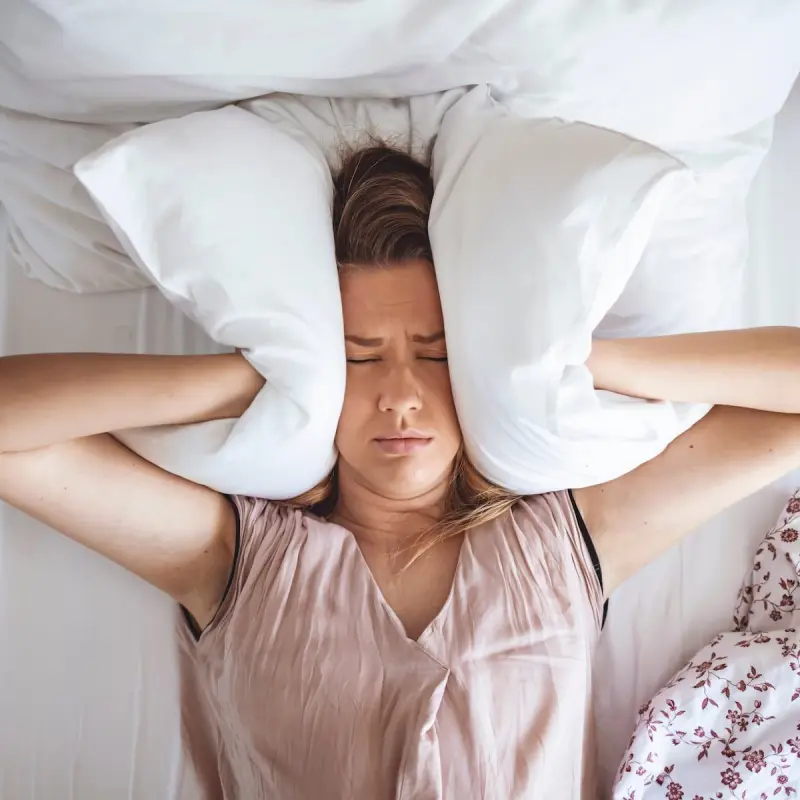
How Does Stress Affect Sexual Desire and Performance?
Introduction
Stress is a natural part of life, but when it becomes chronic or excessive, it can negatively impact overall health, including the effect of stress on sexual desire . Whether stress arises from work pressures, financial issues, emotional conflicts, or health anxiety, its impact on intimacy can be significant. Stress can cause a decrease in sexual desire, performance issues, and increased psychological pressure within the relationship. For this reason, treating stress to improve sexual performance is essential for maintaining a healthy and balanced relationship.
How Does Stress Affect Sexual Desire?
Hormonal Imbalance
- Stress leads to elevated cortisol levels, resulting in decreased testosterone and estrogen, which are responsible for sexual desire.
- Chronic stress causes disruption in neurotransmitters like dopamine and serotonin, negatively affecting feelings of arousal and sexual pleasure.
- The effect of stress on sexual desire manifests as decreased attraction to the partner and difficulty achieving a normal state of intimacy.
Psychological and Emotional Stress
- Anxiety and depression resulting from stress affect sexual desire and reduce interest in intimate activities.
- Stress makes it difficult to focus on and enjoy the relationship, leading to frustration and embarrassment during intimacy.
- Stress can increase problems between partners, leading to decreased performance and sexual desire.
Physical Exhaustion and Decreased Energy
- Stress causes fatigue and constant tiredness, making a person unmotivated to engage in sexual relations.
- Lack of sleep due to stress leads to decreased energy levels, affecting sexual performance and desire.
- For this reason, treating stress to improve sexual performance includes boosting physical energy and reducing ongoing fatigue.
How Does Stress Affect Sexual Performance?
Erectile Dysfunction in Men
- Stress leads to blood vessel constriction, reducing blood flow to the penis, thus causing erectile dysfunction.
- Repeated anxiety about performance can exacerbate the problem and lead to decreased testosterone, worsening sexual desire.
Arousal and Lubrication Issues in Women
- Stress reduces vaginal secretions, making intercourse uncomfortable or painful.
- Decreased blood flow to the genital organs affects sexual pleasure and reduces response to sexual stimulation.
Premature or Delayed Ejaculation in Men
- Stress and anxiety affect ejaculatory control, leading to premature ejaculation or excessive delayed ejaculation.
- Overthinking increases difficulty in emotional and physical engagement in intimacy.
- To overcome this, focus on treating stress to improve sexual performance through relaxation techniques and effective communication with the partner.
Ways to Treat Stress to Improve Sexual Performance
Practice Relaxation Techniques
- Meditation, deep breathing exercises, and yoga help reduce stress and promote mental calmness.
- Engaging in hobbies and enjoyable activities is an effective way to treat stress to improve sexual performance and enhance intimacy.
Improve Physical Health
- Regular exercise helps reduce stress hormones and improve circulation.
- A healthy diet rich in nutrients like Vitamin B, magnesium, and zinc helps in hormonal balance and improves sexual performance.
- Reducing caffeine, alcohol, and smoking is one of the best ways to treat stress to improve sexual performance naturally.
Improve Sleep Quality
- Establishing a regular sleep routine reduces stress and improves energy.
- Avoiding electronic screens and caffeine before bedtime helps relax and enhance mental comfort.
Communicate with Your Partner
- Talking openly about stress and its impact on the relationship helps strengthen emotional bonds.
- Exploring new forms of intimacy such as hugging and massage can rebuild trust and attraction.
- When there is mutual understanding, the impact of stress on sexual desire can be reduced, restoring comfort during intimacy.
Seek Professional Help When Needed
- Psychotherapy or couples counseling may be necessary to address anxiety related to intimacy.
- Consulting a sexual health specialist can be a helpful step in treating stress to improve sexual performance and resolving ongoing issues.
Conclusion
Stress is one of the main factors affecting sexual desire and performance in both men and women. Chronic stress can lead to hormonal imbalance, anxiety, fatigue, and poor sexual performance. However, treating stress to improve sexual performance can be achieved through relaxation techniques, adopting a healthy lifestyle, and open communication with the partner.
Understanding the effect of stress on sexual desire is essential for maintaining a satisfying and balanced intimate life. Managing stress not only enhances sexual performance but also improves mental, emotional, and physical health, helping to build stronger and more stable relationships.
Take care of your health, manage stress, while enjoying a more balanced and happy sexual life.
Sources:
https://pubmed.ncbi.nlm.nih.gov/832938/https://www.mayoclinichealthsystem.org/hometown-health/speaking-of-health/infertility-and-stress
Read also:
https://vitaminati.com/mental-health-tips-stress-relief-productivity/
https://vitaminati.com/infertility-for-women/