How to Choose the Right Niacinamide for Your Skin Type
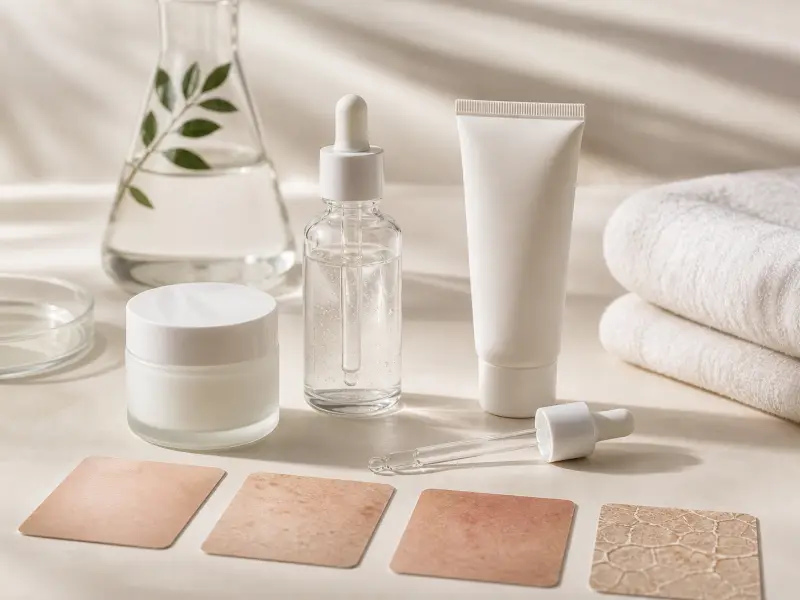
Niacinamide for skin is one of the most widely used ingredients in modern skincare routines because it may help support the skin barrier, reduce the appearance of shine, calm visible redness, and improve the look of pigmentation and pores with regular use. But choosing the right product does not depend on the ingredient name alone. It also depends on your skin type, the niacinamide concentration, and the ingredients combined with it in the same formula. Niacinamide is one form of vitamin B3, and it is one of the water-soluble vitamins, also known as nicotinamide or niacinamide.
What Is Niacinamide?
Niacinamide is a form of vitamin B3 for skin health, and it appears in many skincare products such as serums, creams, moisturizers, and toners. It is considered relatively gentle compared with some other active ingredients, which makes it suitable for multiple skin types when used the right way.
One of the main reasons niacinamide stands out is that it does not target just one concern. It may help strengthen the skin barrier, improve moisture retention, reduce the appearance of redness, support a more even skin tone, and balance the look of excess oil in oily skin. For a wider understanding of this vitamin, you can also read more about the broader benefits of vitamin B3.
Why the Same Niacinamide Product Does Not Suit Everyone
Two people can buy the same niacinamide serum and get completely different results. That is because oily skin does not need the same formula that dry skin needs, and sensitive skin does not always tolerate high concentrations or random layering with exfoliating acids and retinol.
So the more useful question is not only what niacinamide does, but what type of niacinamide is right for your skin.
The right choice usually depends on four main factors:
- Your skin type
- Your main skin concern
- The niacinamide concentration
- The supporting ingredients in the product
How to Choose Niacinamide for Oily Skin
If your skin is oily, niacinamide can be one of the most suitable ingredients for your routine. Oily skin often deals with shine, visible pores, and repeated breakouts or blackheads. Niacinamide may help improve the appearance of the skin by supporting better oil balance and reducing the look of excess shine.
A study using 2% niacinamide on the skin suggested that it may help support the skin barrier, especially when paired with ceramides or squalane. A 5% niacinamide concentration may help reduce the appearance of excess oil. Zinc is also one of the best ingredients to combine with niacinamide for oily skin, and you can read more about the wider benefits of zinc for the body as part of supporting skin from a broader health perspective.
| Factor | Best Choice |
|---|---|
| Concentration | 2% to 5% to start |
| Texture | Lightweight serum or gel |
| Good ingredients with it | Zinc, salicylic acid, lightweight hyaluronic acid, squalane |
| Avoid | Very heavy creams or strongly fragranced oils |
How to Choose Niacinamide for Acne-Prone Skin
Acne-prone skin needs an ingredient that helps balance oil without causing harsh dryness. Niacinamide can be useful here because it is not a strong exfoliant and usually does not cause the same level of dryness that some acne treatments can.
Niacinamide may help calm the look of redness linked to breakouts, support the skin barrier, and improve the look of post-acne marks over time. Still, it is not a replacement for medical acne treatment, especially if breakouts are severe, painful, or widespread.
| Factor | Best Choice |
|---|---|
| Concentration | 5% is often a good starting point |
| Texture | Lightweight non-greasy serum |
| Good ingredients with it | Salicylic acid, zinc, azelaic acid |
| How to use | Once in the evening at first, then increase if your skin tolerates it |
| Avoid | Using more than one exfoliant or strong active in the same routine |
How to Choose Niacinamide for Dry Skin
Dry skin does not only need brightening or tone-evening ingredients. Before that, it needs barrier support and reduced moisture loss. Niacinamide can be helpful for dry skin because it may support barrier function and improve the skin’s ability to retain water.
From a broader skin-support perspective, vitamin A for skin and immune support is also relevant when thinking about tissue health and skin maintenance from the inside out.
| Factor | Best Choice |
|---|---|
| Concentration | 2% to 5% |
| Texture | Cream or hydrating serum |
| Good ingredients with it | Ceramides, glycerin, hyaluronic acid, panthenol, squalane |
| How to use | After cleansing and before moisturizer, or within the moisturizer itself |
| Avoid | Formulas with drying alcohol or strong fragrance |
How to Choose Niacinamide for Sensitive Skin
Sensitive skin needs extra care when introducing any new ingredient, even one considered gentle like niacinamide. In this case, it is better to start with a low concentration and a simple formula free from strong fragrance and unnecessary irritants.
| Factor | Best Choice |
|---|---|
| Concentration | 2% to 5% |
| Texture | Soothing cream or simple serum |
| Good ingredients with it | Ceramides, panthenol, allantoin, hyaluronic acid |
| How to use | 3 times a week at first |
| Avoid | Starting with 10% or 20% |
How to Choose Niacinamide for Combination Skin
Combination skin usually has an oilier forehead, nose, and chin, with drier areas on the cheeks. That means you do not necessarily need to apply the same amount to the whole face.
| Factor | Best Choice |
|---|---|
| Concentration | 5% |
| Texture | Light serum or lotion |
| Good ingredients with it | Hyaluronic acid, zinc, lightweight moisturizers |
| How to use | On the whole face or only on oily areas |
| Avoid | Using an overly drying product on the cheeks if they are dry |
How to Choose Niacinamide for Pigmentation and Dark Spots
If your main goal is pigmentation, post-acne marks, or uneven skin tone, choose a formula with a suitable niacinamide concentration and supporting ingredients for tone correction. Niacinamide may help reduce the appearance of pigmentation by influencing melanin transfer to the surface of the skin.
The most important point here is this: niacinamide alone is not enough for pigmentation if you do not use sunscreen daily. Sun exposure can worsen pigmentation and slow visible progress, so sunscreen is an essential part of any tone-evening routine.
| Factor | Best Choice |
|---|---|
| Concentration | 10% is often suitable |
| Good ingredients with it | Glycolic acid, vitamin C, tranexamic acid, licorice, azelaic acid |
| When to use | Morning or evening depending on your routine |
| Important condition | Daily sunscreen use |
| Avoid | Mixing too many strong brightening ingredients at once |
What Is the Difference Between 2%, 5%, and 10% Niacinamide?
Concentration is one of the most confusing parts of choosing niacinamide. A higher concentration does not always mean better results, especially if your skin is sensitive or your routine already includes other active ingredients.
| Concentration | Who it suits | When to choose it |
|---|---|---|
| 2% | Sensitive skin, dry skin, or first-time use | When the goal is barrier support and less irritation |
| 5% | Most skin types | For oiliness, pores, and mild post-acne marks |
| 10% | Oily skin or skin already used to active ingredients | When a stronger effect is needed and tolerance is good, especially for pigmentation |
| Above 10% | Not necessary for everyone | Best used carefully and with expert guidance |
How to Use Niacinamide in a Morning Routine
Niacinamide can be used in the morning because it does not make the skin more sun-sensitive the way some exfoliating acids do. That still does not replace sunscreen.
A simple morning routine:
- Gentle cleanser
- Niacinamide serum
- Moisturizer suitable for your skin type
- Sunscreen
How to Use Niacinamide in an Evening Routine
In the evening, niacinamide can be used after cleansing and before moisturizer. It can also be paired with ingredients such as hyaluronic acid or ceramides. If you already use retinol or exfoliating acids, it is better to introduce each active gradually and not start all of them in the same week.
A simple evening routine:
- Gentle cleanser
- Niacinamide serum
- Another treatment if needed and if your skin tolerates it, while allowing around 15 to 20 minutes after niacinamide serum
- Moisturizer
What Ingredients Can Be Used with Niacinamide?
Niacinamide is a flexible ingredient and can fit into routines that include other actives. Still, successful pairing depends on your skin type and the strength of the products.
| Ingredient | Benefit when paired with niacinamide |
|---|---|
| Hyaluronic acid | Hydration and support for a fuller-looking skin surface |
| Ceramides | Barrier support and reduced dryness |
| Zinc | Helpful for oily and acne-prone skin |
| Vitamin C | Support for brightening and tone-evening |
| Salicylic acid | Useful for pores and breakouts, but with care |
| Retinol | Supports renewal and the appearance of lines, but should be introduced gradually |
| Azelaic acid and tranexamic acid | Helpful for post-acne marks, redness, and pigmentation |
Common Mistakes When Using Niacinamide
The biggest mistake is treating niacinamide like a magical ingredient that works the same way for everyone. Results depend on consistency, formula choice, and avoiding overuse.
Some of the most common mistakes include:
- Starting with a high concentration
- Mixing niacinamide with strong acids and retinol in the same routine without a gradual plan
- Expecting results within a few days
- Skipping moisturizer
- Skipping sunscreen when treating pigmentation
- Using more than one niacinamide product in the same routine without noticing
- Choosing a formula that does not suit your skin type
When Do Niacinamide Results Start to Show?
Results vary depending on your skin type and the concern you are targeting. Some people may notice improvement in hydration and visible calming within a shorter period, but pigmentation, post-acne marks, and pores usually need longer and more consistent use.
In general, niacinamide needs several weeks before results become clearly visible. When pigmentation is the main concern, it may take even longer, especially without daily sunscreen use.
Can Niacinamide Cause Irritation?
Niacinamide is relatively safe for most skin types, but it may cause irritation in some people, especially when used in a high concentration or combined with other strong products. Irritation may show up as redness, itching, stinging, or dryness.
If that happens, stop the product temporarily and return to a simple routine with a gentle cleanser, moisturizer, and sunscreen. If irritation continues or becomes severe, it is best to consult a dermatologist.
Who Should Speak with a Doctor Before Using Niacinamide?
It is better to consult a dermatologist if you have severe acne, clear melasma, active eczema, rosacea, dermatitis, or repeated sensitivity to skincare products. The same applies if you are pregnant, breastfeeding, or already using prescribed skin treatments.
How to Pick the Right Product Quickly
| Skin type or concern | Best product type | Suggested concentration | Best ingredients with it |
|---|---|---|---|
| Oily skin | Lightweight serum | 2% to 5% | Zinc or salicylic acid |
| Acne-prone skin | Non-greasy serum | 5% | Zinc, azelaic acid |
| Dry skin | Cream or hydrating serum | 2% to 5% | Ceramides, hyaluronic acid |
| Sensitive skin | Soothing cream | 2% to 5% | Panthenol, allantoin |
| Combination skin | Lightweight serum | 5% | Lightweight moisturizer |
| Pigmentation and post-acne marks | Tone-correcting serum | 10% | Vitamin C, tranexamic acid |
| Visible pores and shine | Lightweight serum | 5% | Zinc, salicylic acid |
Frequently Asked Questions About Choosing Niacinamide
These questions are structured for FAQ Schema to improve visibility in rich search results.
Is niacinamide suitable for all skin types?
Yes, niacinamide can suit most skin types, but the concentration and formula should vary depending on your skin. Sensitive and dry skin usually need a lower concentration and a more hydrating formula, while oily skin may benefit from a lightweight serum with zinc or salicylic acid.
Can niacinamide be used daily?
Niacinamide can be used daily if your skin tolerates it well. It is best to start once a day or a few times a week, then increase gradually depending on how your skin responds.
Is niacinamide better in the morning or at night?
Niacinamide can be used in the morning or at night. In the morning, sunscreen should always be applied afterward, especially if the goal is to improve pigmentation or post-acne marks.
Can niacinamide be used with vitamin C?
Yes, they can be used in the same routine if your skin tolerates them. For sensitive skin, vitamin C can be used in the morning and niacinamide at night to reduce the chance of irritation.
Can niacinamide be used with retinol?
Yes, but retinol should be introduced gradually. Niacinamide may help support the skin barrier, but using too many strong actives at the same time may cause dryness or irritation in some people.
Does niacinamide remove pigmentation permanently?
Niacinamide may help improve the appearance of pigmentation and uneven skin tone, but it does not guarantee permanent removal. Results depend on the cause of pigmentation, consistency of use, and daily sunscreen use.
Is a serum better than a cream?
A serum is usually better if you are targeting a specific concern such as shine, pigmentation, or post-acne marks. A cream or moisturizer with niacinamide may be better for dry or sensitive skin because it supports both hydration and the skin barrier.
Conclusion
Choosing the right niacinamide for your skin type is what makes the real difference in your results. If your skin is oily, choose a lightweight serum that helps reduce the appearance of shine. If your skin is dry or sensitive, choose a hydrating formula with a lower concentration. If your goal is pigmentation or post-acne marks, choose a suitable concentration and stay consistent with sunscreen every day.
Niacinamide is a flexible and useful ingredient, but it does not work alone and it does not deliver instant results. For more about vitamins that support health and beauty, visit the dedicated section on Vitaminati. You can also explore more about skin health to better understand your skin’s needs and build a routine that suits them.
The best results come from choosing the right formula, introducing it gradually, and staying consistent with a simple routine that respects your skin type and its needs.