Inositol and PCOS: Does It Really Help, or Is the Evidence Limited?
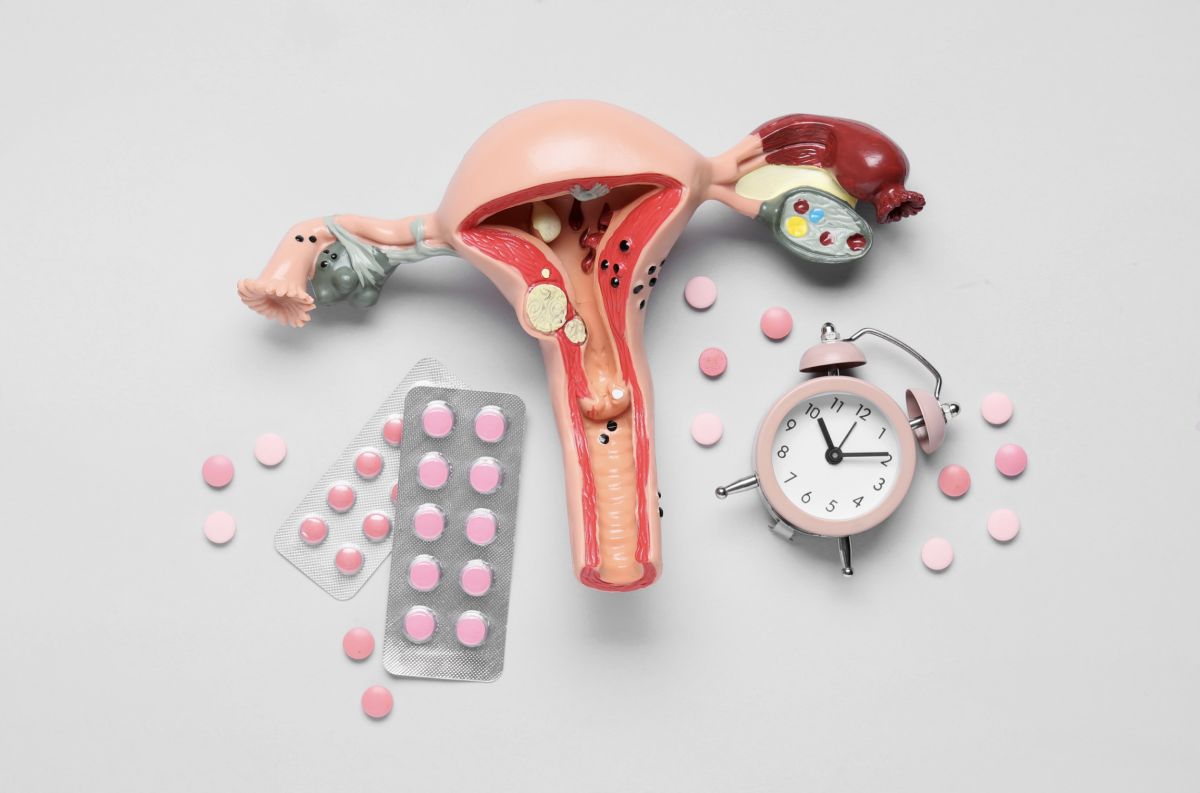
Polycystic ovary syndrome (PCOS) is one of the most common hormonal and metabolic disorders among women of reproductive age worldwide. It is often associated with distressing symptoms that directly affect daily quality of life, such as absent or irregular menstrual cycles, hormonal acne, unwanted hair growth in different areas of the body, and significant difficulty losing weight.
In recent years, the inositol supplement has emerged as a powerful supportive option in modern treatment protocols for polycystic ovary syndrome, and its benefits have been widely promoted on social media as a radical and miraculous solution. However, beyond common marketing exaggerations, what do science and precise pharmaceutical research say about the effectiveness of this supplement? How does it work inside the body to address this disorder?
What Is Inositol, and How Does It Work Pharmacologically?
Contrary to popular belief, inositol is not classified as a vitamin in the strict sense. Instead, it is a naturally occurring sugar-like compound, known as a cyclic carbohydrate, that the human body produces internally. It is also found in everyday foods such as fruits, legumes, nuts, and whole grains.
The primary importance of inositol lies in its role as a “second messenger” inside cells. In simple pharmaceutical terms, it can be compared to a “mail carrier” that receives the signal from insulin at the surface of the cell and delivers it inside, allowing insulin to perform its essential function in glucose metabolism and energy production.
Most women with polycystic ovary syndrome, approximately 70% to 80%, experience a condition known as insulin resistance. In this condition, cells respond poorly to insulin, forcing the pancreas to release larger amounts of the hormone into the bloodstream to control blood sugar levels. This chronic and excessive elevation in insulin directly stimulates the ovaries to produce increased amounts of male hormones, known as androgens. This can disrupt egg development and prevent ovulation, causing the familiar symptoms of PCOS.
This is where inositol plays its role. It restores cellular sensitivity to insulin, helping to reduce elevated insulin levels naturally. As a result, it may reduce ovarian androgen production and contribute to restoring the disrupted hormonal balance.
Understanding the Types: Myo-Inositol vs. D-Chiro-Inositol and the 40:1 Ratio
When searching for inositol supplements in pharmacies, two main forms are the most widely studied and influential in women’s health:
- Myo-Inositol: Primarily focuses on improving cellular insulin sensitivity and directly supports egg quality and size within the ovary.
- D-Chiro-Inositol: Contributes to regulating glucose storage and reducing androgen levels in the body.
In a healthy body, the ovary maintains a very precise balance between these two forms at a specific physiological ratio of 40:1, meaning 40 parts of myo-inositol to only one part of D-chiro-inositol.
Recent clinical studies indicate that dietary supplements combining both forms in this precise ratio may produce better results in restoring normal ovulation and improving egg quality compared with taking either form alone. An imbalance in this ratio may negatively affect egg quality and ovarian health.
Scientifically Supported Benefits of Inositol
Based on medical evidence and recognized research, inositol may provide measurable benefits for women with polycystic ovary syndrome, including:
- Improving fertility and regulating the menstrual cycle: Inositol may help restore normal ovulation and stabilize menstrual cycle regularity, which can significantly increase the chances of natural pregnancy among women experiencing PCOS-related fertility difficulties.
- Reducing male hormones and their distressing symptoms: By reducing insulin levels and consequently androgen levels, women may notice a clear reduction in excessive hair growth, known as hirsutism, on the face and body, as well as a decrease in the severity and recurrence of hormonal acne.
- Supporting metabolic health and weight management: Inositol may contribute to controlling blood sugar, triglyceride, and cholesterol levels. This may improve metabolic efficiency and make weight loss easier when combined with a healthy lifestyle.
Is Inositol Suitable for All Women With PCOS?
An important medical fact is that polycystic ovary syndrome is not a single uniform condition. Therefore, inositol may not be equally suitable or effective for every woman with PCOS:
- Insulin-resistant PCOS: This is the most common type, accounting for approximately 70% to 80% of cases. In this specific type, inositol is considered an ideal and highly effective option because it targets the main underlying problem, which is reduced cellular sensitivity to insulin.
- Inflammatory PCOS: This type occurs as a result of chronic inflammation in the body without clear insulin resistance. In this situation, the primary focus is usually on natural anti-inflammatory approaches and dietary adjustments, and inositol alone may not provide substantial benefits.
- Adrenal PCOS: This type is linked to overactivity of the adrenal glands caused by persistent stress and nervous tension, along with elevated DHEA-S levels despite normal insulin levels. In this case, treatment focuses more on stress management and nervous system support rather than insulin regulation.
Therefore, identifying the type of PCOS under medical and pharmaceutical supervision is the first step in determining whether inositol may be useful for your individual condition.
Safe Dosage and Side Effects
The standard daily dosage supported by studies ranges from 2 to 4 grams of myo-inositol, usually divided into two doses taken in the morning and evening before meals.
Inositol is generally considered a highly safe supplement and is well tolerated by the body because it is a compound that the body naturally produces. Side effects, when they occur and usually only with very high doses, are generally limited to mild digestive disturbances such as slight nausea or gas.
Conclusion: Is It an Alternative to Medication or a Supportive Supplement?
Inositol is not an independent miracle treatment that replaces a healthy lifestyle, but it is a powerful therapeutic tool supported by solid scientific evidence. It should not automatically be used as a substitute for prescribed medications such as metformin, also known as Glucophage, without medical advice. However, it may represent an ideal supportive supplement that works alongside dietary and lifestyle changes to help manage polycystic ovary syndrome safely and sustainably.
Frequently Asked Questions About Inositol and PCOS
1. How long does it take to see results from an inositol supplement?
Clinical research indicates that most women begin noticing a measurable improvement in menstrual cycle regularity and a reduction in PCOS symptoms after three to six months of consistent daily use at the recommended dosage.
2. Can I take inositol with metformin or Glucophage?
Yes. Studies indicate that combining them under medical supervision may provide strong and complementary results in improving insulin sensitivity. However, this combination should always be monitored by the treating physician to reduce the risk of a sudden drop in blood sugar levels.
3. Is inositol safe during pregnancy?
Recent studies indicate that continuing inositol during early pregnancy under full medical supervision may contribute significantly to reducing the risk of gestational diabetes. However, you should always discuss whether to continue or stop the supplement with the healthcare professional supervising the pregnancy.
References
- Myo-inositol effects in women with PCOS: a meta-analysis of randomized controlled trials.
- Myoinositol Versus Metformin in the Treatment of Polycystic Ovarian Syndrome: A Systematic Review.
- Combining treatment with myo-inositol and D-chiro-inositol (40:1) is effective in restoring ovary function and metabolic balance in PCOS patients.