Iodine Deficiency: Early Symptoms, Causes, and Diagnostic Methods
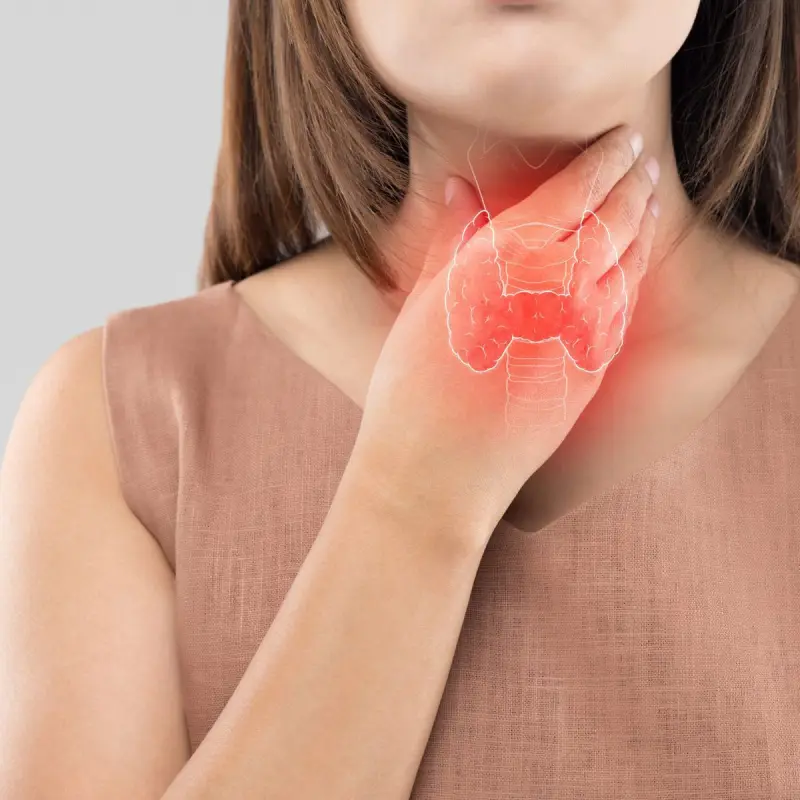
Iodine is one of the essential trace minerals the body needs in small amounts, but it is critical for key functions that the body cannot do without, especially the production of thyroid hormones that regulate metabolism, energy, and brain development. Even though iodine can often be obtained through food, iodine deficiency still affects some groups and may lead to problems that range from ongoing fatigue and hair shedding to thyroid disorders and mood-related symptoms.
In this comprehensive guide, you will find what you need to know about iodine deficiency, including the early signs, the most common causes, the possible health effects, the tests used to confirm it, and the main treatment and dietary support options.
What Is Iodine Deficiency?
Iodine deficiency is a condition in which the body does not get enough iodine to produce the thyroid hormones T3 and T4 normally. This shortage may slow many essential body processes and often appears as thyroid underactivity or thyroid enlargement.
The body cannot make iodine on its own, so it must come from food or, when needed, from supplements under proper medical guidance. The usual recommended daily amount is about 150 mcg for adults, 220 mcg during pregnancy, and 290 mcg during breastfeeding.
Symptoms of Iodine Deficiency in the Body
Symptoms vary depending on how severe and how long the deficiency lasts, but they often include:
| Symptom | How it relates to iodine deficiency |
|---|---|
| Ongoing fatigue and low energy | Low thyroid hormones can slow energy production |
| Unexplained weight gain | Metabolism may slow with an underactive thyroid |
| Feeling colder than usual | The body may produce less heat |
| Dry skin and hair shedding | Low thyroid hormone activity can affect skin and hair renewal |
| Slow heart rate | Thyroid hormones influence heart function |
| Constipation | Digestion may slow with reduced thyroid activity |
| Poor concentration and memory | The brain depends on thyroid hormones to function efficiently |
| Swelling in the neck | The thyroid may enlarge while trying to compensate |
Early Signs That May Suggest Low Iodine
Before clearer symptoms appear, some mild signs may deserve attention:
- Lower energy during the day without a clear reason
- Mood changes and increased emotional sensitivity
- Cold hands and feet
- Difficulty losing weight despite dieting
- Mild hair shedding or weaker nails
These signs can overlap with many other conditions, but if several appear together, they may justify medical evaluation and proper testing.
Iodine Deficiency Symptoms in Women: What May Be Different?
Women are generally more vulnerable to iodine deficiency and thyroid disorders, and some symptoms may appear more clearly because of the way thyroid hormones interact with menstrual health, fertility, and overall hormonal balance. Low vitamin D may also overlap with the broader hormonal picture in some cases and may be worth checking when symptoms are ongoing.
| Women-specific symptom | Explanation |
|---|---|
| Menstrual irregularities | Thyroid hormones can influence estrogen and progesterone balance |
| Difficulty getting pregnant or repeated miscarriage | Iodine deficiency may affect uterine and reproductive health |
| More noticeable hair shedding | Often reported with hypothyroidism |
| Severe skin dryness | Lower hormone levels may reduce skin hydration |
| Sleep problems | Hormonal disruption may affect sleep quality |
| Stronger mood swings | Hormonal changes may influence brain signaling |
| Thyroid enlargement during pregnancy | Pregnancy increases iodine needs significantly |
Causes of Iodine Deficiency in the Body
First: Dietary causes
- Not using iodized salt in daily cooking
- Following a strict vegetarian or restrictive diet with very limited iodine sources
- Low intake of fish and seafood
- Relying on foods from iodine-poor soil regions
Second: Medical causes
Some health conditions may reduce the body’s ability to benefit from iodine even when intake looks adequate. This can happen with intestinal absorption problems, which may resemble what happens in poor iron absorption in terms of reduced nutrient uptake.
- Intestinal conditions such as celiac disease or Crohn’s disease
- Pregnancy because of much higher daily iodine needs
- Some medications that affect the thyroid or iodine handling
- Excess intake of foods that may interfere with iodine use, such as large amounts of raw cabbage or soy
One of the simplest preventive steps is using iodized salt in moderation instead of non-iodized salt, because it can help cover a meaningful part of daily iodine needs.
Risks and Harms of Iodine Deficiency
Iodine deficiency does not affect only one body system. It may contribute to a wide range of problems, from lower energy and poorer focus to more obvious thyroid, fertility, and growth issues.
| Potential harm | Severity | Details |
|---|---|---|
| Hypothyroidism | Serious | When T3 and T4 drop, many body functions slow down |
| Goiter or thyroid enlargement | Moderate to serious | The thyroid may enlarge while trying to compensate |
| Delayed growth in children | Very serious | Iodine is essential for brain and nervous system development |
| Memory and concentration problems | Moderate | The brain depends on healthy thyroid hormone levels |
| Depression and anxiety | Moderate | Lower thyroid hormones may affect brain signaling |
| Fertility problems | Serious for women | Thyroid dysfunction can affect menstrual and reproductive health |
| Weaker immunity | Moderate | The thyroid plays a role in metabolism, energy, and immune function |
The hormonal disruption linked to iodine deficiency may also show up through lower energy and poorer physical response. In this wider context, it may also help to understand the benefits of magnesium for the body, especially when fatigue and stress-related symptoms overlap.
Iodine Deficiency and Depression: A Deeper Connection
The link between iodine deficiency and depression is not just coincidence. When iodine deficiency lowers thyroid hormone production, some brain messengers such as serotonin, dopamine, and norepinephrine may also be affected, which can influence mood, motivation, and mental energy.
- Serotonin is linked to emotional stability
- Dopamine is linked to motivation and reward
- Norepinephrine is linked to attention and energy
Because of this, symptoms that look like depression may sometimes overlap with untreated thyroid dysfunction. If low mood appears together with fatigue, weight gain, and feeling cold, thyroid testing may be important instead of assuming the cause is psychological alone. In a supportive sense, stress management and productivity habits may also help, because chronic stress can place more strain on overall hormonal balance.
Groups Most at Risk of Iodine Deficiency
- Pregnant and breastfeeding women
- Children and adolescents during growth
- People who do not use iodized salt
- Strict vegans or very restrictive eaters
- People with digestive diseases
- People living far from coastal food sources
Best Tests to Confirm Iodine Deficiency
Diagnosing iodine deficiency usually requires a broader assessment, because one number alone may not explain the full picture:
| Test | What it helps show |
|---|---|
| Urinary iodine test | Reflects current iodine status and is one of the most commonly used tests |
| TSH | May rise when thyroid function is reduced |
| T3 and T4 | Measure thyroid hormone levels more directly |
| Thyroid ultrasound | Can show enlargement or structural changes |
| Thyroglobulin | May sometimes be used as an extra marker of iodine status |
Results should ideally be interpreted with a qualified doctor, because numbers alone do not always show the full clinical picture.
When Does the Body Need an Iodine Supplement?
Not every low intake situation needs supplementation. Iodine supplements are more commonly considered in situations such as:
- Deficiency confirmed by testing
- Pregnancy or planning pregnancy
- Clear symptoms of thyroid underactivity linked to low iodine
- Difficulty getting enough iodine from food
Too much iodine can also cause thyroid problems, so iodine supplements should not be taken casually without a clear reason.
Medical Treatment for Iodine Deficiency
Medical treatment depends on how severe the deficiency is and whether thyroid-related symptoms or thyroid dysfunction are already present:
| Medicine or supplement | When it may be used | Note |
|---|---|---|
| Potassium Iodide | Mild to moderate iodine deficiency | A common adult dose is often around 150 mcg daily, depending on medical evaluation |
| Combined iodine supplements | Prevention or mild deficiency | Often included in prenatal multivitamins |
| Levothyroxine | Hypothyroidism related to iodine deficiency | Requires a prescription and follow-up |
| Vitamin D supplements | Supportive when deficiency coexists | May be useful in some cases depending on test results |
Some B complex vitamins may also play a supportive role in the broader picture when fatigue or poor nutrition is present, but the main treatment of iodine deficiency still depends on correct diagnosis and the specific thyroid issue involved.
Treating Iodine Deficiency with Herbs and Natural Sources
Before supplements are used, iodine intake may be supported through food and natural sources. Still, the phrase “treating iodine deficiency with herbs” should be understood carefully. Some foods and herbs may contain iodine or support thyroid function, but they are not a substitute for medical treatment when true deficiency is confirmed.
| Natural source | Main note |
|---|---|
| Seaweed | One of the richest iodine sources, but intake should stay very moderate |
| Cranberry | Contains iodine and supportive antioxidants |
| Coriander seeds | Traditionally used to support thyroid function |
| Ashwagandha | Not an iodine source, but may support hormonal balance in some people |
| Garlic | Provides compounds that support general health and immunity |
Natural foods and herbs may support thyroid health, but they do not replace proper treatment when deficiency is confirmed. Seaweed in particular can cause iodine fluctuations if overused.
A Food Plan to Raise Iodine More Safely
Iodine status may often be improved through food in a safe and practical way:
| Food source | Approximate iodine amount |
|---|---|
| Seaweed, small piece | Highly variable and can be very high |
| Tuna, 85 g | About 17 mcg |
| Salmon, 85 g | About 14 mcg |
| Milk, 240 mL | About 56 to 90 mcg |
| One whole egg | About 24 mcg |
| Iodized salt, 1/4 teaspoon | About 71 mcg |
| Plain yogurt, one cup | About 75 mcg |
| Cottage cheese, one cup | About 26 to 71 mcg |
Example of a Daily Iodine-Supportive Meal Pattern
- Breakfast: eggs + milk or yogurt + whole grain bread
- Lunch: grilled fish + rice + salad
- Dinner: yogurt + nuts
- During the day: use iodized salt in moderation
When Should You See a Specialist?
- Symptoms continue despite improving the diet
- There is noticeable swelling in the neck
- You are pregnant or planning pregnancy
- You have a history of thyroid disease
- You are considering iodine supplements
- You have depressive symptoms together with fatigue and weight gain
Frequently Asked Questions
What are the symptoms of iodine deficiency in the body?
Common symptoms include fatigue, unexplained weight gain, feeling cold more often than usual, dry skin, hair shedding, slow heart rate, poor concentration, memory issues, and swelling in the neck area.
What causes iodine deficiency in the body?
Common causes include not using iodized salt, following a very restrictive or strict vegetarian diet, low intake of fish and seafood, pregnancy with higher iodine needs, and some digestive conditions that reduce absorption.
What are the risks of iodine deficiency?
Iodine deficiency may contribute to hypothyroidism, thyroid enlargement, memory and concentration problems, depression and anxiety, delayed growth in children, and fertility-related problems in women.
What is the link between iodine deficiency and depression?
Iodine deficiency may reduce thyroid hormone production, and that can influence brain messengers such as serotonin and dopamine. This may contribute to symptoms that resemble depression, such as low mood, low motivation, and mental fatigue.
What are the symptoms of iodine deficiency in women specifically?
Women may notice menstrual irregularities, difficulty getting pregnant or repeated miscarriage, more noticeable hair shedding, severe dry skin, sleep problems, and stronger mood changes.
How is iodine deficiency treated with medicine?
Treatment may include iodine supplements such as Potassium Iodide, and in cases of hypothyroidism a doctor may prescribe Levothyroxine. The exact choice depends on the severity of deficiency and the thyroid findings.
Can iodine deficiency be treated with herbs?
Some herbs and natural foods may contain iodine or support thyroid function, but they are not a substitute for medical treatment when true deficiency is confirmed.
What can iodine deficiency lead to in the body?
It may lead to slower metabolism, weight gain, hypothyroidism, thyroid enlargement, memory problems, depression, weaker immunity, and in children it may affect mental and physical development.
Conclusion
Iodine deficiency may begin with mild symptoms such as fatigue, hair shedding, and difficulty concentrating, but it can develop into clearer thyroid, fertility, and mood-related problems if left unaddressed. The good news is that prevention and treatment often begin with simple food-based steps and a better understanding of where iodine comes from.
To explore more about essential minerals and their role in health, visit the minerals section on Vitaminati.
This article is for health education only. Speak with your doctor before starting any supplement or treatment related to iodine or thyroid health.