Iron: Benefits, Iron-Rich Foods, Deficiency Symptoms, Supplements, and How to Absorb It Better
Iron is an essential mineral your body needs every day. Its best-known role is helping red blood cells carry oxygen from the lungs to the rest of the body, but iron also supports muscle function, growth, neurological development, and normal cellular activity. When iron levels become too low, the body has a harder time making enough healthy red blood cells, and this can eventually lead to iron deficiency anemia.
Because iron is involved in oxygen transport, low iron can affect how you feel in daily life. Some people notice fatigue, weakness, poor concentration, or reduced exercise tolerance. Others may not notice clear symptoms at first because the body can draw on stored iron for a period of time. That is one reason iron deficiency can develop gradually and sometimes go unnoticed until it becomes more significant.
The good news is that iron can come from both food and supplements, and small changes in how you plan meals can make a real difference in absorption. This guide explains what iron does, the signs of deficiency, the best iron-rich foods, the difference between heme and non-heme iron, when supplements may be helpful, and how to improve iron absorption in a practical and realistic way.
What Is Iron?
Iron is a mineral naturally present in many foods, added to some fortified products, and available in dietary supplements. In the body, most iron is found in hemoglobin, the protein in red blood cells that carries oxygen. Some iron is also found in myoglobin, a protein that helps deliver oxygen to muscles. The rest is stored mainly as ferritin in tissues such as the liver, spleen, and bone marrow.
Ferritin matters because it reflects the body’s iron stores. When ferritin is low, it often suggests that iron reserves are running down. However, iron status is not always simple to interpret because ferritin can rise during inflammation or infection. That means one lab result should not always be viewed in isolation, especially when symptoms and overall health context matter.
Iron deficiency usually develops in stages. It often begins with depleted iron stores, then progresses to reduced iron availability for red blood cell production, and eventually may develop into iron deficiency anemia. This gradual progression helps explain why some people feel completely normal in the early stage, while others experience more obvious symptoms once the deficiency becomes more advanced.
Why Your Body Needs Iron
Iron is essential for oxygen transport, which is why it is so closely tied to energy and physical function. Hemoglobin in red blood cells uses iron to move oxygen through the bloodstream, and myoglobin uses iron to help muscles use oxygen efficiently. If iron is too low, oxygen delivery becomes less efficient, and daily tasks may start to feel more tiring than usual.
Beyond oxygen transport, iron also contributes to normal growth, neurological development, and general cellular function. The body needs iron for the synthesis of some hormones and for processes involved in maintaining healthy tissues. This is why iron needs are especially important during life stages associated with growth or increased demand, such as infancy, adolescence, and pregnancy.
In simple terms, iron helps the body run properly at both the cellular level and the whole-body level. It does not act like a stimulant, but when iron levels are low and then corrected appropriately, people may feel more capable of maintaining normal energy, concentration, and physical performance.
Iron Deficiency Symptoms
Iron deficiency does not always cause noticeable symptoms right away. In the short term, the body may use stored iron from the liver, spleen, bone marrow, and muscles. As these stores fall, symptoms may gradually appear, especially if iron deficiency anemia develops.
Common iron deficiency symptoms include fatigue, weakness, low energy, difficulty concentrating, reduced exercise tolerance, and feeling more easily exhausted during normal daily activities. Some people may also notice shortness of breath with effort or feel generally less resilient than usual.
It is important to remember that these symptoms are not unique to iron deficiency. Anemia itself can have multiple causes, including other nutrient deficiencies, inflammation, chronic disease, infections, gynecological or obstetric conditions, and inherited red blood cell disorders. That is why symptoms alone cannot confirm that low iron is the cause.
This also matters when people search for terms like “low ferritin symptoms” or “iron deficiency symptoms” and assume iron supplements are automatically the answer. Iron deficiency should ideally be interpreted with appropriate clinical context, especially when symptoms are persistent, significant, or unexplained.
Best Food Sources of Iron
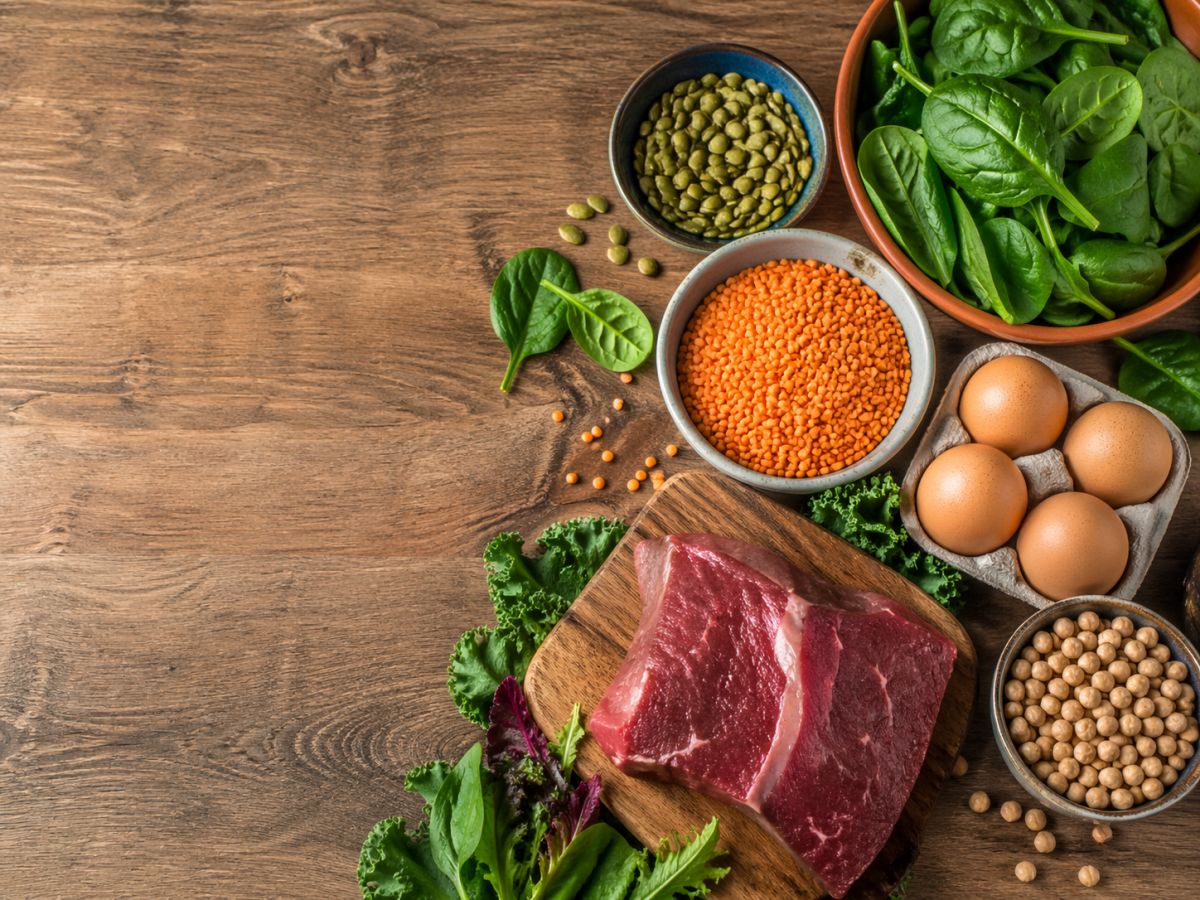
Iron is available from both animal and plant foods, and both can be useful in a healthy diet. Richer sources of iron include lean meat, seafood, poultry, legumes such as lentils and beans, nuts, certain vegetables, and fortified grain products such as cereals and breads.
Animal-based foods usually contain iron in a form that is more easily absorbed, while plant foods provide a form of iron that is still valuable but often more sensitive to the overall composition of the meal. That means the total amount of iron in a food matters, but absorption matters too.
Some of the most practical food options for iron intake include:
- Lean red meat
- Seafood
- Poultry
- Lentils
- Kidney beans and white beans
- Chickpeas
- Spinach and other leafy greens
- Nuts and seeds
- Iron-fortified breakfast cereals
- Iron-fortified breads and grain products
- Dried fruits such as raisins
Fortified foods are especially worth paying attention to because many people assume iron only comes from meat. In reality, fortified cereals and grain products can contribute meaningfully to iron intake, particularly in people who do not eat much meat.
Heme vs Non-Heme Iron
Dietary iron comes in two main forms: heme iron and non-heme iron. Understanding the difference helps explain why two meals with similar iron content may not have the same effect on iron status.
Heme iron is found in meat, poultry, and seafood. It is generally absorbed more efficiently by the body. Non-heme iron is found in plant foods and iron-fortified foods. It is still useful and important, but its absorption is more affected by what else is eaten at the same time.
This difference is one reason people following mostly plant-based diets may need more careful meal planning around iron. It does not mean a plant-based diet cannot support healthy iron levels, but it does mean that food combinations and total intake become more important.
For example, pairing non-heme iron foods such as lentils, beans, or spinach with a vitamin C source can help improve absorption. On the other hand, some compounds in foods and beverages can lower the absorption of non-heme iron, which is why timing and meal composition sometimes matter more than people realize.
Who May Need More Iron
Iron needs vary depending on age, sex, diet, and life stage. Some people are more likely than others to have trouble getting enough iron or to lose iron more quickly.
Groups more likely to need more iron or to be at higher risk of inadequacy include:
- Teen girls
- Women with heavy menstrual periods
- Pregnant women and pregnant teens
- Infants, especially those born premature or with low birth weight
- Frequent blood donors
- People with certain gastrointestinal disorders that affect absorption
- Some people with cancer or heart failure
- People who follow mostly plant-based diets and do not plan iron intake carefully
Daily iron requirements also differ substantially by life stage. In the NIH consumer guidance, adult men aged 19 to 50 need 8 mg per day, adult women aged 19 to 50 need 18 mg per day, and pregnancy increases the daily recommended amount to 27 mg. This helps explain why women of reproductive age and pregnant women are often central to conversations about iron intake.
Vegetarian diets also deserve special mention. Because non-heme iron is less well absorbed than heme iron, people who do not eat meat, poultry, or seafood generally need more iron from food compared with those who do include animal foods.
Iron Supplements and When to Consider Them
Iron supplements can be useful when there is a confirmed need, when diet alone is not enough, or when a healthcare professional recommends them based on symptoms, lab results, or a higher-risk life stage. Common supplemental forms include ferrous sulfate, ferrous gluconate, and other iron salts.
Supplements may be considered in situations such as confirmed iron deficiency, iron deficiency anemia, pregnancy when advised, or when a person has difficulty meeting needs through food alone. However, iron should not be treated like a casual wellness supplement to take “just in case.”
Too much iron can be harmful. Iron supplements can also cause side effects such as stomach discomfort, nausea, constipation, abdominal pain, and other digestive issues. This is one reason dose and form matter, and why people often need individualized guidance rather than one generic rule for everyone.
There is also an important difference between taking iron to correct a deficiency and taking iron without clear evidence of need. In someone who is not low in iron, supplementing unnecessarily can create problems rather than benefits. This is particularly relevant in people with conditions associated with iron overload risk.
In practice, the smartest approach is usually this: food first when possible, testing and professional guidance when symptoms or risk factors are present, and supplements when there is a reasonable indication rather than guesswork.
How to Improve Iron Absorption
Improving iron absorption is often less about adding more supplements and more about being strategic with meals. One of the best-known ways to improve absorption, especially for non-heme iron, is to combine iron-rich foods or supplements with vitamin C.
Vitamin C can increase iron absorption, which is why practical pairings such as lentils with lemon juice, iron-fortified cereal with fruit, or an iron supplement with a vitamin C-rich drink are often suggested. The NHS also notes that ferrous sulfate may be taken with orange juice or a vitamin C supplement because vitamin C is believed to increase the amount of iron absorbed by the body.
At the same time, some things can reduce iron absorption. Calcium can hinder iron absorption, and non-heme iron is also affected by compounds such as phytates and certain polyphenols. In everyday terms, tea, coffee, dairy, and some meal components may make absorption less efficient when taken too close to an iron-rich meal or supplement.
Timing can matter too. NHS guidance states that ferrous sulfate works best on an empty stomach, ideally before food or several hours after eating. However, if it upsets the stomach, it can be taken with or after food. This balance between ideal absorption and tolerability is practical and important, because the best supplement routine is the one a person can actually follow safely and consistently.
Simple ways to improve iron absorption include:
- Pair plant-based iron foods with vitamin C-rich foods
- Consider taking iron supplements away from calcium-rich foods when appropriate
- Avoid taking iron with tea or coffee when possible
- Follow product instructions and professional advice about timing
- Choose a tolerable regimen rather than forcing a routine that causes digestive distress
Best Time to Take Iron
Many people want a simple answer to the question “When is the best time to take iron?” The practical answer is that iron is often absorbed best on an empty stomach, but this is not always the most comfortable option.
If an iron supplement causes nausea, stomach pain, or irritation, taking it with or after food may improve tolerance, even if absorption is somewhat lower. For some people, a tolerable schedule is better than a theoretically ideal plan they cannot maintain.
This is also where individual context matters. Someone using iron under medical supervision may be given a specific schedule, while someone choosing a supplement independently should be cautious about both the dose and the reason for taking it in the first place.
Low Ferritin and Iron Stores
Ferritin is one of the most useful markers for understanding iron stores. WHO guidance describes ferritin as a good marker of iron stores and notes that low ferritin concentrations suggest deficient iron stores.
At the same time, ferritin is not always straightforward. Ferritin can rise in response to infection or inflammation, which means a normal or high ferritin level does not always rule out a more complex picture. That is why ferritin should be interpreted alongside symptoms, history, and sometimes other lab markers.
This matters because many people search directly for “low ferritin” and assume it means they should immediately start supplementing. While low ferritin often points toward low iron stores, the broader clinical picture still matters, especially if there are ongoing symptoms, inflammation, or other health conditions involved.
Common Mistakes People Make with Iron
One common mistake is assuming all tiredness means iron deficiency. Fatigue is common, but it is not specific. Iron deficiency is one possible explanation, not the only one.
Another mistake is focusing only on how much iron a food contains without thinking about absorption. Meal composition can strongly affect how much non-heme iron the body actually uses.
A third mistake is taking iron supplements casually, in high doses, or for long periods without a clear reason. Because excess iron can be harmful, iron is not a supplement to use carelessly.
Finally, some people ignore digestive side effects and stop taking iron altogether without trying a more tolerable strategy. In some cases, adjusting timing, form, or meal pairing may help, but that should still be done thoughtfully.
Bottom Line
Iron is essential for oxygen transport, muscle function, growth, and normal body processes. Low iron can gradually affect energy, concentration, and physical function, but symptoms alone do not prove that iron deficiency is the cause.
A food-first approach is often the most practical starting point, especially for general health and prevention. Iron-rich foods, smart meal pairing, and attention to absorption can make a meaningful difference. When there are clear symptoms, heavy periods, pregnancy, known risk factors, or low ferritin, a more individualized approach is usually more appropriate than guessing.
Iron supplements can be helpful when there is a real need, but they are not automatically beneficial for everyone. The best approach is evidence-based, cautious, and adapted to the person’s life stage, diet, symptoms, and health context.
This article is for general educational purposes. If you are pregnant, breastfeeding, have a medical condition, or take medications, consult a healthcare professional before starting supplements.
References
- NIH Office of Dietary Supplements. Iron Fact Sheet for Health Professionals.
- NIH Office of Dietary Supplements. Iron Fact Sheet for Consumers.
- World Health Organization. Anaemia.
- World Health Organization. Use of Ferritin Concentrations to Assess Iron Status in Individuals and Populations.
- European Food Safety Authority. Dietary Reference Values.
- NHS. How and When to Take Ferrous Sulfate.