Struggling With Stubborn Swelling? It Might Not Be What You Think
Struggling With Stubborn Swelling? It Might Not Be What You Think
Have you ever felt like your body is not responding to diet or exercise the way it “should”?
If so, you are not alone. For some people, the reason may be something deeper than lifestyle.
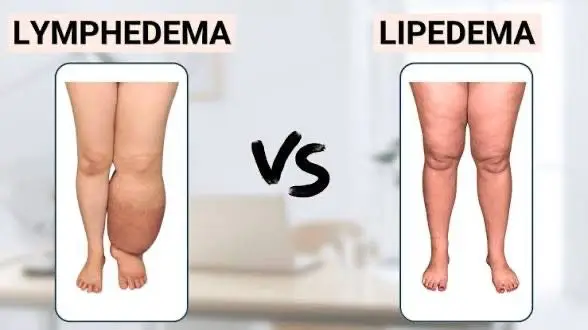
Two commonly confused conditions, lipedema and lymphedema, can look similar at first glance, but they are fundamentally different. Understanding the difference is not just medical knowledge. It can completely change how you approach your health.
What Is Lipedema?
Lipedema is a chronic condition involving abnormal fat distribution, usually in the legs and sometimes in the arms. It almost exclusively affects women.
Common signs include:
- Symmetrical fat accumulation, usually in both legs
- Pain or tenderness
- Easy bruising
- Resistance to weight loss
Lipedema is not simply weight gain. It is a condition linked to inflammation and fat tissue dysfunction.
Nutrition may still play a supportive role in symptom management, especially when focused on inflammation and overall metabolic health. You can read more in Vitaminati’s article on nutrition for lipedema.
What Is Lymphedema?
Lymphedema, on the other hand, is caused by a failure of the lymphatic system, leading to fluid buildup.
Key features include:
- Swelling, often in one limb
- A feeling of heaviness or tightness
- Skin changes over time
- Possible development after surgery, injury, infection, or lymphatic damage
Unlike lipedema, lymphedema is primarily a fluid issue, not a fat disorder.
Why People Confuse Lipedema and Lymphedema
At first glance, both conditions can involve swelling, so it is easy to mix them up.
But the critical difference is:
- Lipedema = fat accumulation + inflammation
- Lymphedema = fluid retention due to lymphatic dysfunction
In some cases, both can occur together. This is known as lipo-lymphedema.
Why This Difference Matters
This is where things get serious.
Many people with lipedema:
- Follow strict diets
- Exercise consistently
- Still see little to no change in affected areas
That is because lipedema fat behaves differently. Treating it like regular weight gain may lead to frustration, guilt, and burnout.
On the other hand, lymphedema requires a completely different approach focused on fluid management and lymphatic support.
Is the Treatment the Same?
No. Lipedema and lymphedema may share some supportive strategies, but their main management approaches are different.
| Condition | Main Issue | Common Management Approaches |
|---|---|---|
| Lipedema | Abnormal fat accumulation and inflammation | Anti-inflammatory nutrition, regular movement, compression when appropriate, and in some cases specialized liposuction |
| Lymphedema | Lymphatic fluid buildup | Compression therapy, manual lymphatic drainage, skin care, and specific physical therapy |
Lipedema Management
- Anti-inflammatory nutrition, such as a Mediterranean-style dietary pattern
- Regular low-impact movement
- Compression garments when recommended
- In some cases, specialized liposuction performed by trained specialists
Lymphedema Management
- Compression therapy
- Manual lymphatic drainage
- Specific physical therapy
- Skin care to reduce infection risk
What They Have in Common
Although lipedema and lymphedema are different, some strategies may support both conditions:
- Movement can improve circulation and function.
- Reducing inflammation may help overall symptoms.
- Lifestyle still matters, but it is not the whole story.
- Professional assessment is important for choosing the right plan.
The Bottom Line
If you feel like your body is not responding the way it should, it may not be a lack of discipline. It may be a misunderstanding of what your body actually needs.
Knowing the difference between lipedema and lymphedema is the first step toward choosing the right strategy and finally getting more appropriate support.
FAQs
1. What is the difference between lipedema and lymphedema?
Lipedema is mainly a disorder of abnormal fat distribution and inflammation, usually affecting both legs symmetrically. Lymphedema is mainly caused by lymphatic system dysfunction, leading to fluid buildup and swelling.
2. Can lipedema look like weight gain?
Yes. Lipedema can look like stubborn weight gain, especially in the legs or arms, but lipedema fat often behaves differently from regular fat and may not respond well to diet and exercise alone.
3. Is lymphedema a fat disorder?
No. Lymphedema is primarily a fluid buildup problem caused by lymphatic system dysfunction. It may cause swelling, heaviness, tightness, and skin changes over time.
4. Can lipedema and lymphedema happen together?
Yes. In some cases, lipedema and lymphedema can occur together. This is sometimes called lipo-lymphedema.
5. Are lipedema and lymphedema treated the same way?
No. Lipedema management may include anti-inflammatory nutrition, movement, compression, and sometimes specialized liposuction. Lymphedema management focuses more on fluid control, compression therapy, manual lymphatic drainage, and physical therapy.
Related Article on Vitaminati
Health Disclaimer
This article is for general educational purposes only and does not replace medical advice. If you have persistent swelling, pain, skin changes, sudden swelling in one limb, or swelling after surgery or injury, consult a qualified healthcare professional for proper evaluation and diagnosis.