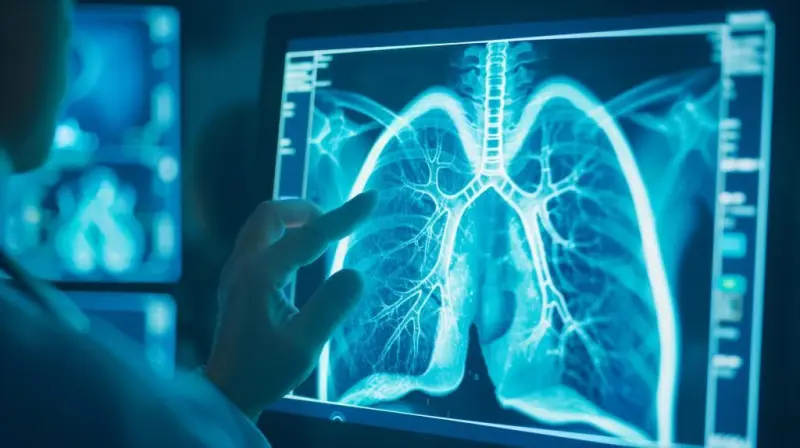
Overview of Lung Cancer: Causes, Symptoms, and Prevention and Treatment Methods
Lung cancer is one of the most common types of cancer worldwide, affecting both men and women. It is divided into two main types: non-small cell lung cancer (NSCLC) and small cell lung cancer (SCLC). Improving the chances of recovery depends on early detection and effective treatment, which contributes to improved survival rates.
Causes of Lung Cancer and Risk Factors
Smoking is the primary cause of lung cancer, but it can occur in non-smokers due to multiple factors including:
- Smoking: The longer the duration and intensity of smoking, the greater the risk of developing lung cancer.
- Secondhand smoke: Frequent exposure to cigarette smoke increases the risk.
- Radon gas: A natural radioactive gas that can accumulate in homes and pose a risk.
- Exposure to carcinogens: Such as asbestos, arsenic, chromium, and nickel.
- Air pollution: Long-term exposure to polluted air increases the likelihood of developing lung cancer.
- Family history: A family history of lung cancer increases the risk of developing the disease.
- Previous radiation therapy: Radiation therapy to the chest area increases the risk of lung cancer.
Symptoms of Lung Cancer
In its early stages, lung cancer often does not cause obvious symptoms, and when symptoms do appear, they may include:
- Persistent cough that worsens over time
- Coughing up blood or rusty-colored sputum
- Shortness of breath
- Chest pain that worsens with deep breathing or laughing
- Hoarseness
- Unexplained weight loss
- Loss of appetite
- Fatigue and exhaustion
- Frequent infections such as bronchitis or pneumonia
Prevention of Lung Cancer
Prevention strategies include several important steps, especially for those at risk:
- Quitting smoking: This is the most effective step to reduce risk.
- Avoiding secondhand smoke: Staying away from places filled with cigarette smoke.
- Radon testing: To check gas levels in the home and take action if necessary.
- Avoiding carcinogens: Taking precautions at work and home to limit exposure to carcinogenic materials.
- Eating a healthy diet: Rich in fruits and vegetables to strengthen the immune system.
- Exercising regularly: Physical activity promotes lung health and overall fitness.
Plants that Help Support Lung Health
Some plants and herbs contain properties that can support lung health and help in cancer prevention:
- Turmeric: Contains curcumin with anti-inflammatory and antioxidant properties.
- Green tea: Contains polyphenols that may help prevent cancer cell growth.
- Ginger: Acts as an anti-inflammatory and contains antioxidants.
- Garlic: Boosts the immune system due to its compounds with anti-cancer properties.
Dietary Supplements that Support Lung Health
In addition to a healthy diet, some supplements may help support lung health and manage symptoms:
- Vitamin D: Plays an important role in supporting the immune system.
- Vitamin C: An antioxidant that boosts the body's immunity.
- Omega-3 fatty acids: Their anti-inflammatory properties may reduce cancer risks.
- Selenium: An antioxidant that protects cells from damage.
- N-acetyl cysteine (NAC): Helps lung health by reducing oxidative stress.
Health Tips for Preventing Lung Cancer
You can enhance lung cancer prevention and manage risks by following these health guidelines:
- Stay informed: Keep up with the latest research and recommendations on lung cancer.
- Regular check-ups: Visit your doctor periodically for necessary screenings.
- Reduce stress: Practice meditation, yoga, and deep breathing exercises.
- Maintain a healthy lifestyle: Follow a balanced diet and exercise regularly.
- Monitor symptoms: Pay attention to any health changes and consult a doctor immediately if any concerning symptoms arise.
Conclusion
Lung cancer is considered one of the most common cancers and poses a risk to public health. By recognizing risk factors and taking preventive measures such as quitting smoking and avoiding carcinogens, the risk of developing lung cancer can be reduced. Additionally, plants and dietary supplements contribute to supporting lung health, along with following a healthy lifestyle that can help in preventing lung cancer and improving overall health.