Overview
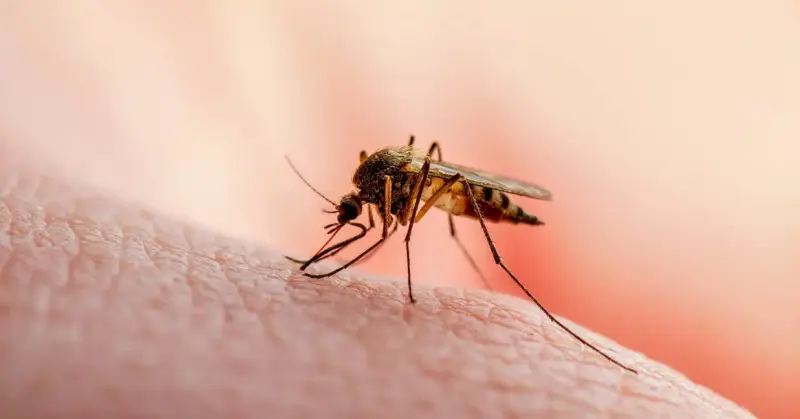
Malaria is a serious disease that can threaten life. This disease is caused by a parasite known as Plasmodium, which is transmitted to humans through the bites of infected Anopheles mosquitoes. Malaria is prevalent in tropical and subtropical regions, especially in sub-Saharan Africa, as well as in South Asia and parts of South America. It is known that
Plasmodium falciparum is the most dangerous type of parasite that causes the disease, leading to most malaria-related deaths.
Causes of Malaria and Risk Factors
Malaria occurs due to parasites known as
Plasmodium, which are transmitted to humans through the bites of infected mosquitoes. There are five main types of these parasites that can infect humans, which are:
- Plasmodium falciparum: This type is the most dangerous and a major cause of mortality.
- Plasmodium vivax: This type causes recurrent infections and may hide in the liver.
- Plasmodium ovale: It can also cause recurrent infections, but they are often less severe.
- Plasmodium malariae: This type can remain in the blood for long periods, potentially leading to chronic infection.
- Plasmodium knowlesi: This type is found in Southeast Asia and can lead to severe infections.
Risk Factors
There are several factors that increase the likelihood of contracting malaria, including:
- Geographic location: People living in or traveling to endemic areas are at higher risk of infection.
- Lack of preventive measures: Not using insect repellent or treated bed nets increases the likelihood of exposure to the disease.
- Pregnancy: Pregnant women are at higher risk of severe malaria.
- Age: Young children and the elderly face a greater risk of severe infection.
- Weakened immune system: This can affect those who have never been exposed to malaria or have a weak immune system.
Signs and Symptoms of Malaria
Symptoms usually begin 10 to 15 days after the bite of an infected mosquito. Initially, the symptoms resemble those of a cold or flu, such as:
- Fever
- Chills
- Sweating
- Headache
- Nausea and vomiting
- Muscle pain and fatigue
- Chest or abdominal pain
- Cough
However, if malaria is not treated promptly, it may progress to severe cases, including:
- Severe anemia
- Shortness of breath
- Cerebral malaria: which affects the brain and may lead to coma.
- Organ failure: which may include the kidneys, liver, or spleen.
Prevention of Malaria
Preventing malaria is essential, especially in endemic areas. Prevention methods include:
- Using insect repellent: It is best to use a repellent containing DEET on exposed skin.
- Bed nets: It is advisable to sleep under insecticide-treated nets, as they reduce the chance of infection.
- Preventive medications: Antimalarial medications can be taken before traveling to endemic areas and during the stay.
- Wearing protective clothing: Covering the skin with long sleeves and pants reduces exposure to bites.
- Avoiding outdoor activities at dusk: Mosquitoes are most active at this time.
Beneficial Plants and Supplements in Malaria Prevention
Some plants and herbs may help reduce the risk of malaria and support immunity. These plants include:
- Sweet wormwood (Artemisia annua): Contains artemisinin, which has proven effective against malaria.
- Quinine tree: Its bark contains quinine, which was historically used to treat malaria.
- Neem (Azadirachta indica): Has antimalarial properties.
- Holy basil (Ocimum sanctum): Believed to enhance immunity.
Beneficial supplements include:
- Vitamin C: Contains antioxidant properties and supports the immune system.
- Vitamin D: Plays an important role in enhancing immunity.
- Zinc: Helps boost the immune response against infections.
- Probiotics: Maintain gut health, especially during and after infection.
- Curcumin: Turmeric contains anti-inflammatory and antioxidant properties.
Health Tips to Reduce the Risk of Malaria
To avoid contracting malaria, it is advisable to follow some steps, including:
- Drink fluids regularly: As it helps maintain hydration, especially during fever.
- Follow a balanced diet: Eat foods rich in fruits, vegetables, and proteins.
- Seek medical care immediately: When symptoms appear, consult a doctor promptly.
- Complete the prescribed treatment: To ensure the complete eradication of the parasite and prevent recurrent infections.
- Monitor symptoms: If new changes occur, inform the doctor.
Conclusion
Malaria is a serious disease, but it can be effectively prevented and managed by adhering to preventive measures, maintaining a healthy diet, and seeking medical care when needed.
Artemisinin: A Powerful Treatment for Malaria and Fever Reduction