Melasma: Causes, Triggers, and Evidence-Based Ways to Manage It
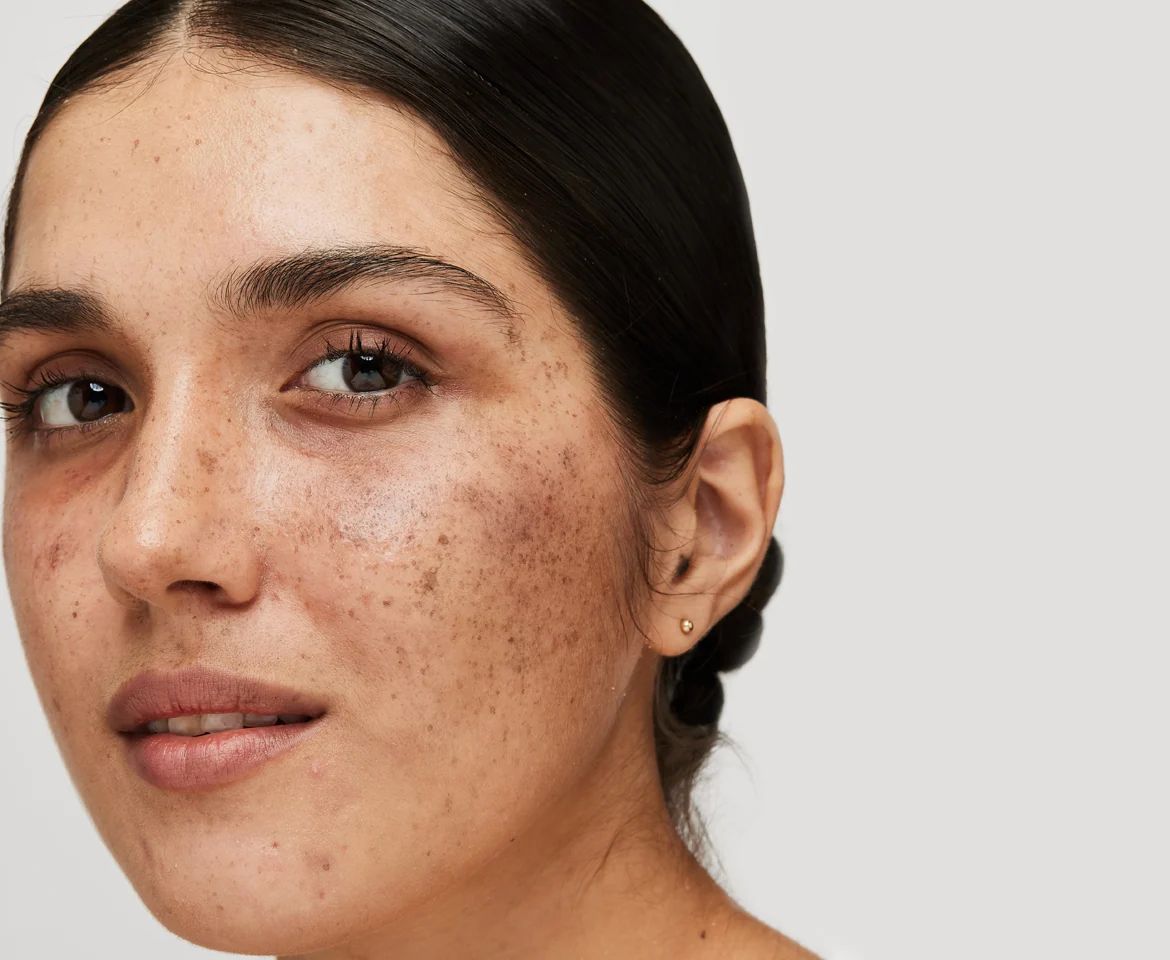
Melasma is a common skin condition that causes brownish or grayish-brown patches, usually on the face, especially the cheeks, forehead, nose, and upper lip. It is far more common in women than men and tends to appear more often, and more visibly, in people with medium to darker skin tones — which includes much of the population across the Middle East and Africa. Melasma is not dangerous and is not a form of skin cancer, but it can be persistent and emotionally frustrating because it often fades slowly and can return with sun exposure or hormonal changes. Understanding what actually drives melasma, rather than relying on quick-fix creams, is the first step toward managing it realistically.
Key Takeaways
- Melasma is a chronic pigmentation condition driven mainly by a combination of sun exposure and hormonal changes, not by "dirty" or unhealthy skin.
- Pregnancy, birth control pills, and hormone therapy are among the most common triggers, which is why melasma is sometimes called the "mask of pregnancy."
- Daily broad-spectrum sunscreen and consistent sun protection are the single most important, evidence-backed steps for both preventing and managing melasma.
- Prescription topical treatments like hydroquinone, tretinoin, or azelaic acid, as well as oral tranexamic acid, have evidence behind them but should be used under medical supervision.
- Over-the-counter ingredients such as vitamin C, niacinamide, and azelaic acid may modestly help but are not a substitute for sun protection.
- Unregulated "whitening" or "lightening" creams sold without proper labeling can contain hydroquinone in unsafe concentrations, steroids, or mercury, and may worsen pigmentation or damage the skin.
- Aggressive exfoliation, harsh peels, or unsupervised laser treatments can trigger post-inflammatory hyperpigmentation, especially in darker skin, and can make melasma worse.
- Melasma can improve significantly with the right routine, but full clearance is not guaranteed, and a dermatologist can help set realistic expectations.
What Is Melasma?
Melasma is a pigmentation disorder in which pigment-producing cells (melanocytes) become overactive in certain areas of the skin, producing excess melanin. This creates flat, brown or grayish-brown patches, often symmetrical on both sides of the face. It usually appears in one of three patterns: centrofacial (cheeks, forehead, nose, upper lip, and chin), malar (cheekbones), or mandibular (jawline). Melasma is a benign condition — it does not turn into cancer and does not indicate a serious illness — but it can last for months or years and often follows a cycle of fading and recurrence.
What Causes Melasma?
Melasma develops from an interaction between genetic susceptibility, hormones, and ultraviolet (UV) and visible light exposure. Understanding these triggers helps explain why melasma often appears or worsens at specific life stages.
Hormonal Triggers: Pregnancy, Birth Control, and Hormone Therapy
Hormonal shifts are one of the strongest known triggers of melasma. Rising estrogen and progesterone during pregnancy can stimulate melanocytes, which is why melasma is often nicknamed the "mask of pregnancy" (chloasma). Hormonal contraceptives are another well-documented trigger; some people notice new or worsening patches after starting the pill, patch, or ring. These hormonal changes may occur alongside other effects associated with birth control pills and nutrient status. Hormone replacement therapy during perimenopause or menopause can also play a role as part of the broader hormonal changes that occur during menopause.
Sun and Light Exposure
Ultraviolet radiation from the sun — and increasingly, visible light, including blue light from screens — stimulates melanocytes and darkens existing melasma patches. This is why melasma is often more visible or worsens in summer months and in sunnier climates, a relevant point across much of the Middle East and Africa where UV exposure is high year-round.
Other Contributing Factors
Genetics play a meaningful role; melasma often runs in families and is more common in people with a family history of the condition. Thyroid dysfunction has also been associated with melasma in some studies, and certain medications that increase photosensitivity may contribute. Chronic stress can influence hormone levels as well, making the relationship between stress and hormonal balance relevant when looking at the broader factors that may affect the body. Heat itself, not just UV light, is also being studied as a possible contributor to melasma severity.
Evidence-Based Ways to Manage Melasma
There is no single cure for melasma, and treatment is about consistent management rather than a one-time fix. The approaches below have the most supporting evidence.
Sun Protection Is the Foundation
Daily broad-spectrum sunscreen (SPF 30 or higher, ideally with UVA/UVB and visible-light protection from mineral filters like zinc oxide or iron oxide) is considered essential, not optional, for melasma. Reapplication every two hours during sun exposure, plus wide-brimmed hats and seeking shade, meaningfully reduces flare-ups. Skipping sunscreen undermines the effectiveness of every other treatment.
Topical Treatments
Several topical ingredients have evidence for improving melasma:
- Hydroquinone, a skin-lightening agent, is one of the most studied treatments and is typically prescribed at 2–4% for a limited period under medical supervision.
- Tretinoin and other retinoids can help by speeding skin cell turnover, often combined with hydroquinone and a mild steroid in a "triple combination" cream prescribed by a dermatologist.
- Azelaic acid is a gentler option that may suit sensitive skin and is available at lower strengths without a prescription in some markets.
- Vitamin C and niacinamide have modest evidence as antioxidant, brightening additions to a routine. They can be considered within the broader role of vitamins and nutrients that support skin health, though they are unlikely to clear melasma on their own.
- Tranexamic acid, applied topically or taken orally under medical supervision, has growing evidence for reducing melasma severity, particularly in more stubborn cases.
Procedures
Chemical peels, microneedling, and certain laser or light-based treatments can help some people, but they carry a real risk of worsening pigmentation if done incorrectly, especially in medium to dark skin tones. These should only be performed by a qualified dermatologist experienced in treating melasma in your skin type.
Common Mistakes and Safety Considerations
A few mistakes are especially common and worth flagging directly:
- Unregulated "whitening" creams: In some markets across the Middle East and Africa, over-the-counter skin-lightening products are sold without accurate labeling and may contain unsafe levels of hydroquinone, potent steroids, or mercury. These can thin the skin, cause rebound darkening, or lead to serious health harm, and should be avoided.
- Aggressive exfoliation or DIY peels: Harsh scrubs, high-strength acid peels, or lemon juice "remedies" can irritate the skin and trigger post-inflammatory hyperpigmentation, which can look similar to or worsen melasma.
- Skipping sunscreen on cloudy days or indoors: UV and visible light still reach the skin through windows and on overcast days, so protection needs to be a daily habit, not an occasional one.
- Expecting overnight results: Melasma responds slowly, typically over months, and can relapse with sun exposure or hormonal changes, so consistency matters more than intensity.
- Self-treating without a diagnosis: Other pigmentation conditions can look like melasma, so a professional diagnosis helps ensure the right treatment plan.
When to See a Dermatologist
It's worth seeing a dermatologist if patches are spreading, affecting your confidence, not improving with basic sun protection, or if you're unsure whether a dark patch is melasma or something else that needs evaluation. A dermatologist can also prescribe stronger, medically supervised treatments and monitor for side effects.
Frequently Asked Questions
Is melasma permanent?
Melasma can fade significantly with consistent sun protection and treatment, but it's often a long-term condition that can recur, particularly with sun exposure, pregnancy, or hormonal contraceptive use. Some people see near-complete fading, while others manage it as a chronic, fluctuating condition.
Does melasma go away after pregnancy or stopping the pill?
For many people, melasma related to pregnancy fades within several months to a year after delivery as hormone levels normalize, though it doesn't always disappear completely. The same is often true after stopping hormonal contraception, but timelines vary by individual.
Can diet or vitamins cure melasma?
No single food or supplement has been shown to cure melasma. Antioxidants such as vitamin C and adequate overall nutrition may support skin health generally, but sun protection and, where needed, medically guided topical treatment remain the evidence-based foundation of management.
Is melasma the same as sun spots or age spots?
No. Sun spots (solar lentigines) are typically smaller, more defined spots caused mainly by cumulative sun damage over time, while melasma tends to appear as larger, more symmetrical patches driven by a combination of hormones and light exposure.
Can men get melasma?
Yes, though it is far less common in men. When it occurs, sun exposure tends to be the dominant trigger rather than hormonal factors like pregnancy or birth control.
Will laser treatment get rid of melasma for good?
Laser and light-based treatments can help some people, but melasma is notorious for relapsing after procedures, and the wrong type of laser can worsen it in darker skin tones. Any procedure should be discussed with a dermatologist familiar with melasma.
References
- American Academy of Dermatology – Melasma Overview
- DermNet NZ – Melasma
- MedlinePlus – Melasma
- National Library of Medicine – Melasma
Disclaimer: This article is for general educational purposes. If you are pregnant, breastfeeding, have a medical condition, or take medications, consult a healthcare professional before starting supplements.
About Vitaminati
Vitaminati is a health and wellness information platform dedicated to making knowledge about vitamins, minerals, food supplements and natural herbs accessible and easy to understand. Through educational articles, practical health guidance and nutrition resources, Vitaminati helps readers make informed decisions about their everyday wellbeing. Its content covers a wide range of health topics, including women's health, nutritional needs and healthy living, while encouraging responsible supplement use and consultation with healthcare professionals. Vitaminati is part of the wider business and healthcare network of Rasha Oudeh, connecting health education with her work in entrepreneurship, international business and economic development.