Natural Sources of B Vitamins: The Best Foods and How to Raise Levels Without Supplements
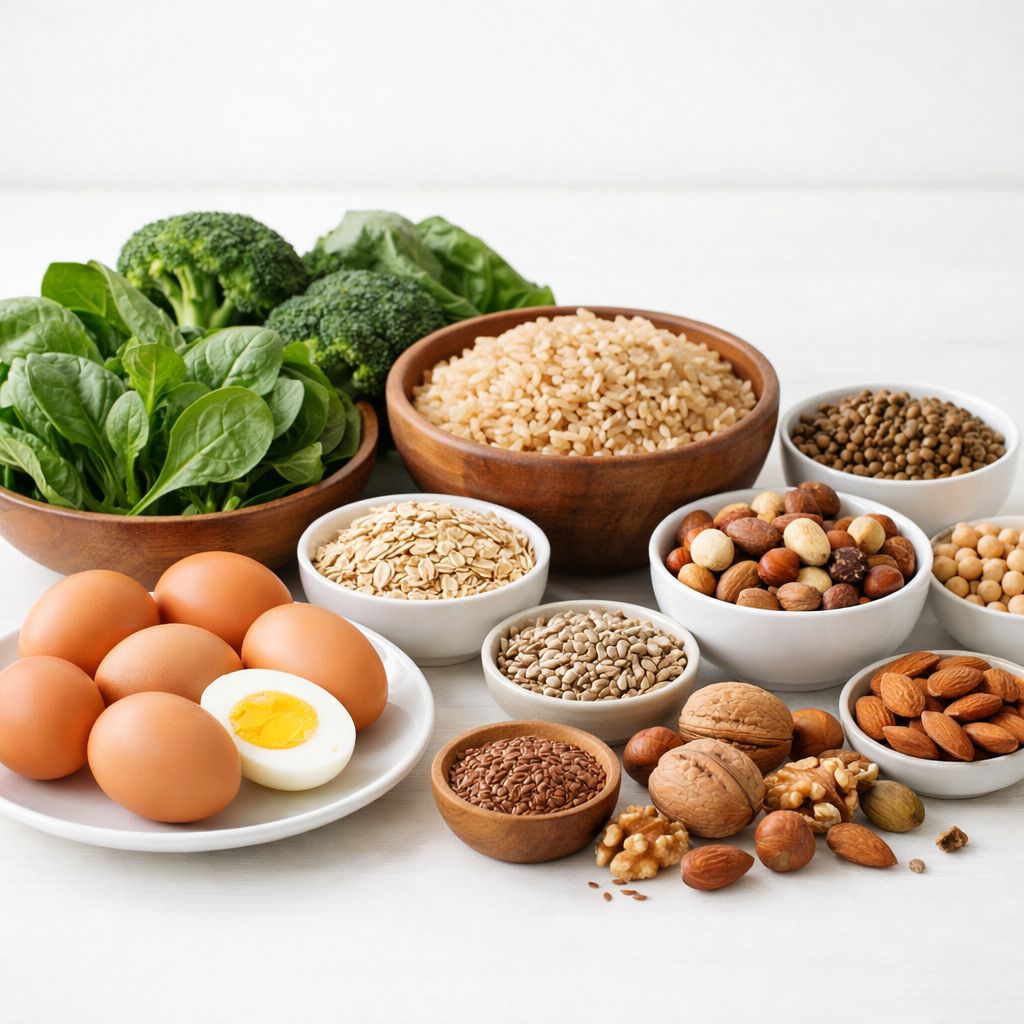
Vitamin B complex is one of the most important micronutrients that the body needs daily to support energy, nerve health, brain functions, and metabolism. This group includes several vitamins that work together synergistically, making it essential to obtain them from natural sources to maintain the body's balance.
The World Health Organization (WHO) and the Office of Dietary Supplements (ODS) indicate that a balanced diet is the best source of vitamins, as it provides them within a comprehensive dietary system that supports absorption and utilization.
Why Food Sources of Vitamin B Complex Matter
Obtaining Vitamin B complex from natural food is not limited to compensating for deficiencies; it also contributes to improving its absorption and stability within the body.
- Providing natural and balanced doses
- Reducing the risk of overdose
- Supporting digestive health
- Obtaining additional nutrients
- Improving metabolism
Food provides the vitamin gradually and steadily, which supports daily energy better than quick supplements.
Top 10 Foods Rich in Vitamin B Complex
There are foods that contain a wide range of B vitamins:
- Liver (very rich source)
- Red meats
- Poultry
- Fish such as salmon
- Eggs
- Milk and dairy products
- Whole grains
- Legumes
- Nuts
- Leafy greens
Diversifying these foods helps cover daily needs naturally.
Suitable Sources of Vitamin B Complex for Vegetarians
Vegetarians can obtain Vitamin B complex from various plant sources:
- Oats
- Lentils
- Chickpeas
- Beans
- Nuts
- Seeds
- Leafy greens
- Nutritional yeast
However, attention should be paid to Vitamin B12, as it is less available in plant sources.
Best Preparation Methods for Vitamin B Complex Sources to Preserve Content
B vitamins are sensitive to water and heat, so the cooking method is very important.
- Steaming is better than boiling
- Reducing cooking time
- Avoid discarding cooking water
- Avoid reheating
The preparation method can reduce or maintain nutritional value.
Foods That Reduce Absorption of Vitamin B Complex and How to Manage Them
- Excessive coffee
- Refined sugar
- Alcohol
To improve absorption:
- Reduce caffeine
- Regulate meals
- Consume protein
Daily Serving Amounts of Vitamin B Complex Sources
- 2–3 servings of whole grains
- 1–2 servings of protein
- Legumes daily
- Nuts
- Vegetables
This pattern is suitable for most people.
When Food Sources of Vitamin B Complex Alone Are Not Enough
- Severe deficiency
- Poor absorption
- Pregnancy
- Chronic diseases
In these cases, food may not be sufficient.
When a Vitamin B Complex Supplement Is a Better Option
- Confirmed deficiency
- Persistent symptoms
- Limited diet
The supplement is used as temporary support.
Full Day Plan Rich in Vitamin B Complex
- Breakfast: Oats + Eggs + Whole grain bread
- Lunch: Lentils + Brown rice + Vegetables
- Snack: Nuts
- Dinner: Fish + Vegetables
Frequently Asked Questions About Sources of Vitamin B Complex
What are the best sources?
Grains, legumes, and meats.
Can it be raised naturally?
Yes.
Does cooking affect it?
Yes.
Conclusion on Natural Sources of Vitamin B Complex
Natural sources of Vitamin B complex are essential for maintaining energy and nerve health. A balanced diet is sufficient in most cases, while supplements are used when needed.
For more: Vitaminati