Natural Sources of Folic Acid: The Best Rich Foods and How to Increase Levels Without Supplements
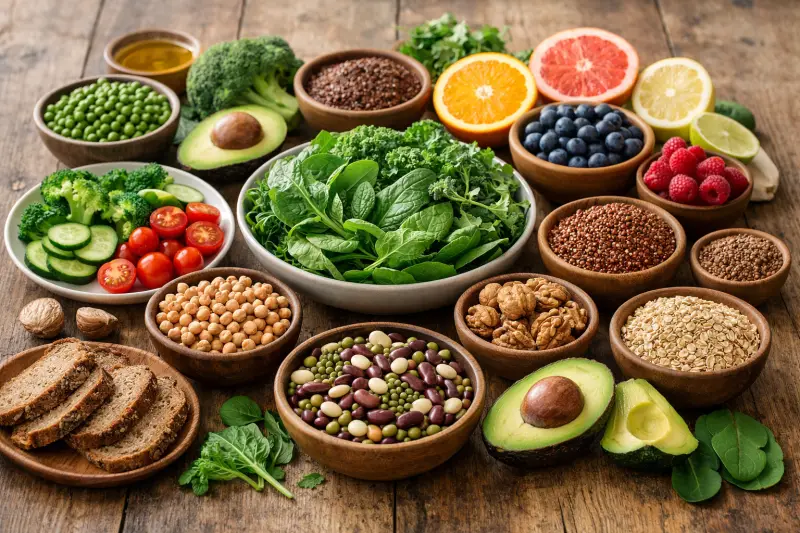
Folic acid is an essential nutrient that the body needs daily to maintain its vital functions, especially regarding blood cell formation, nervous system health, and cell division. Although supplements are widely available, relying on natural food sources remains the best option for most healthy individuals.
Many wonder: Can folic acid levels be raised naturally without supplements? What foods effectively meet the body's needs? In this detailed guide, we will provide a clear and practical answer to help you achieve this through food alone.
Why Food Sources of Folic Acid Matter
Obtaining folic acid from food has multiple benefits that go beyond merely supplying the body with the vitamin.
The natural folates found in food are absorbed gradually and evenly, helping to maintain stable levels in the body. The risk of overdose from food is also very low compared to supplements.
Additionally, foods rich in folic acid contain other nutrients such as fiber and minerals, which work together to support overall health and improve absorption.
Therefore, relying on food is considered a fundamental step before considering the use of supplements.
Best Foods Rich in Folic Acid
Sources of folic acid vary, but fresh plant foods stand out as the best options.
The most important of these foods include dark leafy vegetables such as spinach and lettuce, which are among the richest sources. Legumes like lentils, chickpeas, and beans are also excellent sources.
Avocado, asparagus, broccoli, and cabbage are also good options, along with beets and citrus fruits like oranges. Liver and fortified grains contain good amounts of this vitamin as well.
Incorporating these foods into the diet regularly helps maintain a healthy level without the need for supplements.
Suitable Sources for Vegetarians
A vegetarian diet can be very rich in folic acid if organized properly.
Lentils, chickpeas, and beans are among the most important sources, in addition to leafy vegetables like spinach and broccoli. Nuts, seeds, and whole grains also provide good amounts of folate.
Diversity in plant sources is key to ensuring daily needs are met without deficiency.
Best Preparation Methods to Preserve the Vitamin
Cooking methods play an important role in preserving folic acid content.
Steaming is considered one of the best methods as it reduces vitamin loss. It is also advisable to minimize cooking time and avoid high heat for prolonged periods.
Eating vegetables raw or lightly cooked helps maintain their nutritional value. Additionally, using cooking water in soups contributes to utilizing soluble nutrients.
Foods and Factors That Reduce Absorption
There are some factors that may reduce folic acid absorption if not taken into account.
Excessive alcohol negatively affects absorption, and diets low in protein may reduce the efficiency of vitamin utilization.
Digestive issues and some unhealthy eating habits may also have an impact. Therefore, it is important to maintain a balanced diet and support gut health.
Approximate Daily Serving Amounts
Instead of calculating exact quantities, one can rely on distributing daily food servings.
Consuming a serving of leafy vegetables daily, adding legumes several times a week, and eating a fruit rich in folate daily, along with whole grains, helps cover daily needs.
This practical approach makes it easy to maintain a good level of folic acid without complication.
When Food Alone Is Not Enough
Despite the importance of food, it may not be sufficient in some cases.
During pregnancy or when planning for it, the need increases significantly. Additionally, having a confirmed deficiency or absorption issues or anemia makes relying on food alone inadequate.
In these cases, it may be necessary to use dietary supplements under professional supervision.
When Supplements Are a Better Option
Supplements are used when the goal is therapeutic rather than just preventive.
In cases of moderate or severe deficiency, or when a health condition requires prompt intervention, a supplement is an appropriate choice.
However, its use should be considered carefully and based on health assessment, while continuing to improve the diet.
A Practical Example of a Folate-Rich Day's Diet
A balanced day's diet providing sufficient folic acid can be easily designed.
For breakfast, whole grain bread with avocado and a piece of fruit like an orange can be consumed. For lunch, a lentil dish with lightly cooked spinach can be chosen.
A snack of nuts adds additional support, while dinner can include steamed broccoli with brown rice.
This model provides a good amount of folate naturally.
Frequently Asked Questions
-
Can folic acid be raised naturally?
Yes, through a balanced diet.
-
What are the best sources?
Leafy vegetables and legumes.
-
Does cooking reduce the vitamin?
Yes, especially with overcooking.
-
Is food enough for pregnant women?
Often not, and supplements are needed.
-
Do all need supplements?
No, only when necessary.
-
How long does improvement take?
It may begin within weeks with dietary commitment.
Conclusion
Natural sources of folic acid are the best option for maintaining healthy levels in most individuals. By consuming a variety of rich foods such as leafy vegetables, legumes, and whole grains, daily needs can be easily met.
However, there remain special cases that require additional intervention using supplements. Nutritional balance, awareness of healthy habits, and knowing when you need additional support are the foundation for maintaining good health in the long term.