Natural Sources of Magnesium: The Best Foods to Raise Levels Without Supplements
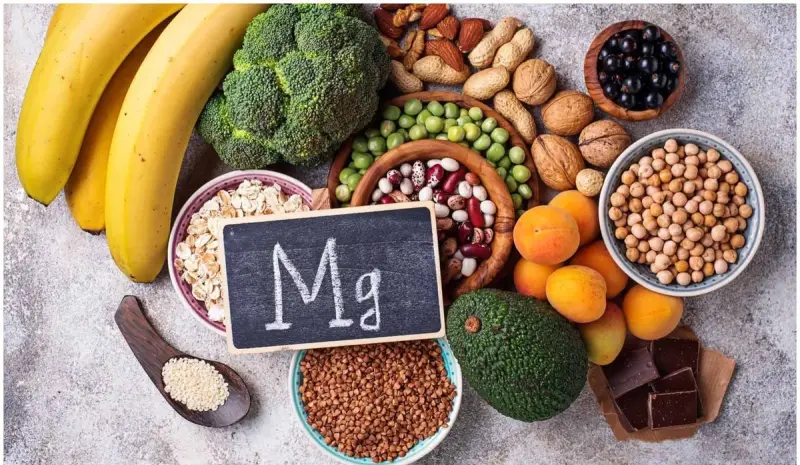
Natural sources of magnesium are the best starting point for anyone who wants to support healthy magnesium intake through food. Magnesium is involved in energy production, nerve and muscle function, bone health, and many essential biological reactions in the body.
Although magnesium is found in many foods such as seeds, nuts, legumes, leafy greens, and whole grains, some people still do not get enough because of low dietary variety, high reliance on processed foods, digestive conditions, or factors that increase magnesium loss.
You can also visit Vitaminati’s magnesium hub to understand this mineral more broadly, or read the article on magnesium benefits for the body to explore its relationship with energy, nerves, and muscles.
Why Are Food Sources the Best First Step?
Getting magnesium from food is different from depending on supplements from the beginning. Whole foods provide magnesium together with fiber, protein, healthy fats, vitamins, and other minerals that support overall health and help build a balanced diet.
- They provide magnesium along with other nutrients such as potassium, zinc, fiber, and B vitamins.
- They may reduce the need for supplements in people who can meet their needs through diet.
- They improve overall diet quality rather than focusing on one mineral only.
- They reduce the risk of excessive intake compared with concentrated supplements.
Where Is Magnesium Found in Food?
Magnesium is found in many foods, especially plant-based foods rich in fiber. The strongest categories include seeds, nuts, legumes, whole grains, and dark leafy greens.
| Food | Approximate Magnesium Content |
|---|---|
| Roasted pumpkin seeds, 28 g | About 156 mg |
| Chia seeds, 28 g | About 111 mg |
| Roasted almonds, 28 g | About 80 mg |
| Cooked spinach, 1/2 cup | About 78 mg |
| Roasted cashews, 28 g | About 74 mg |
| Cooked black beans, 1/2 cup | About 60 mg |
| Cooked edamame, 1/2 cup | About 50 mg |
| Peanut butter, 2 tablespoons | About 49 mg |
| Cooked brown rice, 1/2 cup | About 42 mg |
| Avocado, 1/2 cup cubes | About 22 mg |
Magnesium content varies depending on preparation method, food variety, serving size, and nutritional database. To understand daily needs in more detail, read Vitaminati’s article on the daily magnesium dose by age and needs.
Best Magnesium Sources for Vegans
A balanced vegan diet can be naturally rich in magnesium because many of the strongest magnesium sources are plant-based. Vegans can meet their magnesium needs when their diet is varied and well planned.
1. Legumes
Lentils, chickpeas, beans, fava beans, and peas are good sources of magnesium. They also provide plant protein and fiber and can be added to salads, soups, main dishes, or breakfast-style meals.
2. Nuts and Seeds
Almonds and cashews are well-known magnesium sources, but seeds are often even more concentrated, especially pumpkin seeds, chia seeds, and sesame seeds. They can be added to oats, yogurt, salads, or eaten as a snack.
3. Whole Grains
Oats, brown rice, bulgur, whole wheat, and quinoa contain more magnesium than refined grains because refining removes part of the mineral-rich outer layers.
4. Dark Leafy Greens
Spinach, Swiss chard, and kale are useful choices. Their green color is linked to chlorophyll, and magnesium sits at the center of the chlorophyll molecule.
5. Avocado and Dark Chocolate
Avocado provides magnesium along with healthy fats, while dark chocolate can provide additional magnesium when eaten in moderation, especially when it is high in cocoa and lower in added sugar.
How to Preserve Magnesium During Cooking
Food preparation may affect how much magnesium and other minerals remain in the food. Choosing the right preparation method can help reduce unnecessary mineral loss.
- Use steaming: It may reduce mineral loss compared with long boiling in a large amount of water.
- Use less boiling water: If you boil foods, use less water or reuse the cooking water in soups.
- Avoid overcooking: Excessive cooking may reduce food quality and some nutrient content.
- Choose whole grains: Refining grains reduces their magnesium content.
- Include raw foods when suitable: Nuts, seeds, avocado, and some vegetables can be eaten without cooking.
What May Reduce Magnesium Absorption or Levels?
Getting magnesium from food matters, but absorption and retention are influenced by several factors. Some people may eat moderate amounts of magnesium yet remain more vulnerable to low levels because of health conditions, medications, or poor overall diet quality.
- Heavy reliance on processed foods: These are usually lower in magnesium than whole foods.
- Digestive disorders: Some malabsorption conditions or chronic diarrhea may reduce magnesium levels.
- Uncontrolled diabetes: High blood sugar may increase magnesium loss through urine.
- Alcohol: Heavy intake may be linked with lower magnesium through reduced intake and increased loss.
- Some medications: Certain diuretics or long-term acid-reducing medicines may affect magnesium levels in some people.
- Excessive zinc supplementation: Very high supplemental zinc may affect mineral balance when used inappropriately.
A Full Magnesium-Rich Day of Eating
The following is an example of a food day that may help increase magnesium intake through food. Actual amounts vary by portion size, product type, and preparation method.
| Meal | Foods | Approximate Magnesium |
|---|---|---|
| Breakfast | Oats with chia seeds and almonds | About 170 mg |
| Snack | A handful of cashews or almonds | About 70–80 mg |
| Lunch | Lentils or beans with brown rice and leafy greens | About 120–160 mg |
| Evening snack | Half an avocado or yogurt with seeds | About 25–70 mg |
| Dinner | Spinach salad with protein such as chicken or tofu | About 60–100 mg |
| Approximate total | Depends on selected portions | About 400–500 mg |
When Is Food Not Enough? When Might You Need a Supplement?
Although a balanced diet is enough in many cases, some people may need further assessment or supplementation when a deficiency is confirmed or when factors increase magnesium loss or reduce absorption.
- Digestive disorders and malabsorption.
- Chronic diarrhea or repeated vomiting.
- Uncontrolled diabetes.
- Long-term use of some diuretics or acid-reducing medicines.
- Deficiency confirmed by medical assessment or lab testing.
- Older adults or people with very low dietary intake.
If symptoms such as persistent fatigue, cramps, numbness, or muscle weakness appear, you can read Vitaminati’s article on magnesium deficiency symptoms and effective treatment methods. You can also review magnesium analysis and normal levels before deciding whether supplements are needed.
If a doctor or pharmacist recommends supplementation, it is important to know that magnesium forms differ in absorption and tolerance. You can read Vitaminati’s article on the best types of magnesium and the article on the best time to take magnesium.
Common Mistakes When Trying to Raise Magnesium
- Using supplements before improving food quality.
- Taking high doses without knowing whether there is a real need.
- Focusing on only one food, such as almonds, instead of varying sources.
- Ignoring whole grains and legumes even though they are excellent sources.
- Taking supplements too close to medications that may interact with them without asking a doctor or pharmacist.
- Assuming every cramp or fatigue symptom is magnesium deficiency without checking other causes.
FAQs
1. What are the best natural sources of magnesium?
Good sources include pumpkin seeds, chia seeds, almonds, cashews, spinach, lentils, black beans, oats, brown rice, and whole grains.
2. Can a balanced diet provide enough magnesium?
Yes. A varied diet can often meet the needs of most adults when it includes legumes, nuts, seeds, leafy greens, and whole grains.
3. How much magnesium do adults need daily?
Needs vary by age, sex, and health status, but adult requirements are commonly around 310 to 420 mg per day depending on the group.
4. Does cooking reduce magnesium content?
Long boiling or discarding cooking water may reduce some minerals. Steaming or using less cooking water may help reduce losses.
5. Are nuts the best source of magnesium?
Nuts are good sources, but seeds such as pumpkin and chia seeds, along with legumes, leafy greens, and whole grains, are also strong magnesium sources.
6. Do drinks affect magnesium levels?
Heavy alcohol use or relying on low-nutrient drinks may contribute to poor intake or increased loss. Overall diet quality matters most.
7. Can vegans get enough magnesium?
Yes. A vegan diet can provide enough magnesium if it includes legumes, nuts, seeds, whole grains, and dark leafy greens.
8. When do I need a magnesium supplement?
You may need a supplement if there is confirmed deficiency, malabsorption, or low dietary intake. It is best to decide this with a doctor or pharmacist, especially if you take medications or have a chronic condition.
Conclusion
Natural sources of magnesium are available and diverse. The strongest options include seeds, nuts, legumes, leafy greens, and whole grains. When these foods are included regularly, many people can meet their needs without supplements.
However, in some situations, such as malabsorption, uncontrolled diabetes, certain medications, or confirmed deficiency, supplements may be needed under professional guidance. The best rule is: food first, supplements only when there is a real need.