Osteoporosis in Women: Risk Factors, Testing, and Prevention
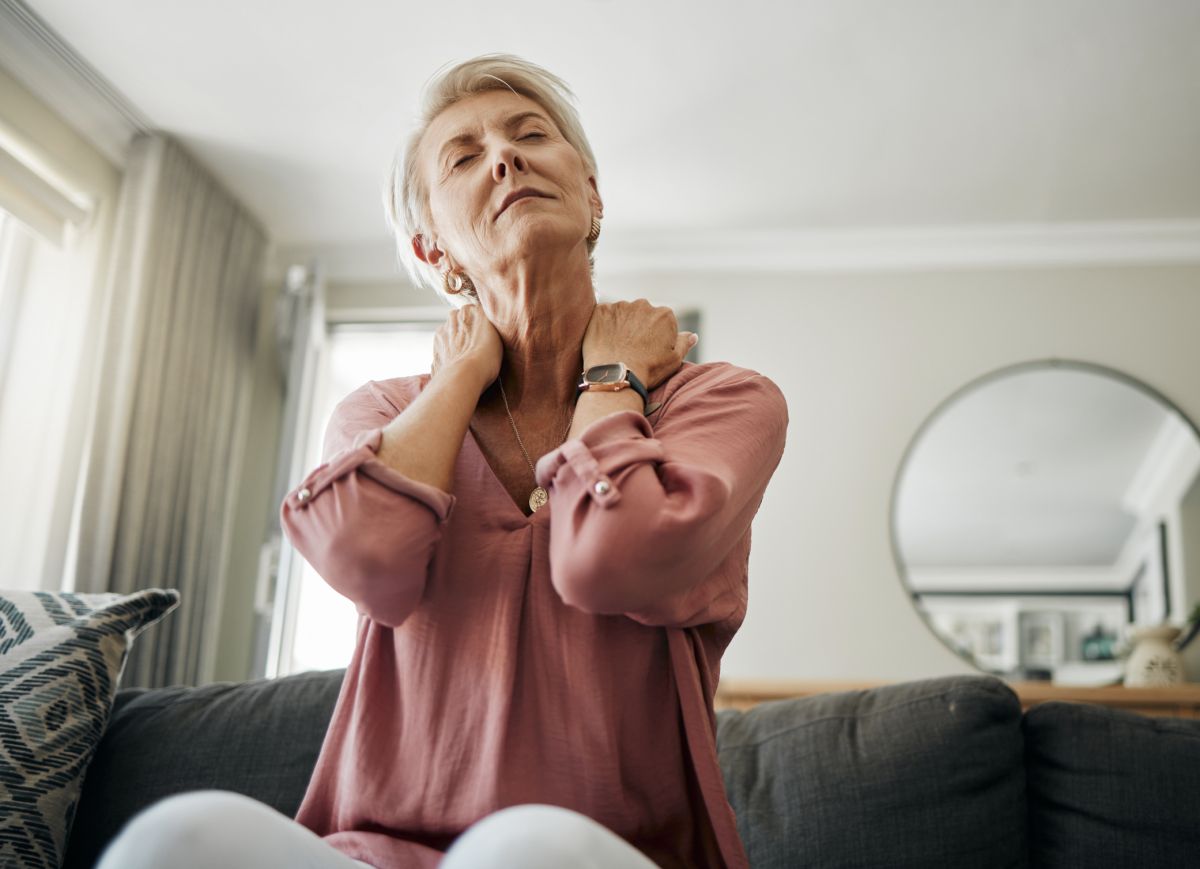
Osteoporosis in women is far more common than most people realize. Around the world, women account for the large majority of osteoporosis cases, and the gap widens sharply after menopause. Osteoporosis develops quietly over years as bone tissue thins and weakens, often causing no symptoms until a bone breaks from a minor fall or bump. Because women lose bone density faster than men, particularly in the years surrounding menopause, understanding your personal risk, knowing when to ask for a bone density test, and taking preventive steps early can make a real difference to long-term mobility and independence. This article explains what raises risk, how bone density is measured, and what the evidence supports for keeping bones strong at every life stage.
Key Takeaways
- Osteoporosis in women is closely tied to the drop in estrogen that happens at menopause, which speeds up bone loss for several years.
- Bone density typically peaks around age 30, so building strong bones earlier in life matters as much as protecting them later.
- A DEXA (bone density) scan is the standard test used to diagnose osteoporosis and estimate fracture risk.
- Calcium and vitamin D are essential, but adequate protein, magnesium, and regular weight-bearing exercise also matter.
- Smoking, excessive alcohol intake, and long periods of very low body weight all raise fracture risk.
- Most guidelines recommend a first bone density screening around age 65, or earlier if risk factors are present.
- Osteoporosis is often preventable and manageable, but existing bone loss cannot be reversed by lifestyle changes alone.
What Is Osteoporosis, and Why Does It Affect Women More?
Bone is living tissue that is constantly being broken down and rebuilt throughout life, a process called remodeling. Osteoporosis occurs when bone breakdown outpaces bone formation, leaving bones thinner, more porous, and more likely to fracture, even from everyday movements like bending or coughing. Bone density usually peaks around age 30 and gradually declines afterward in both sexes.
Women are affected disproportionately for a few reasons. Women generally start adulthood with lower peak bone mass than men, and estrogen, a hormone that helps protect bone, drops sharply at menopause. The first five to seven years after menopause are associated with the fastest rate of bone loss in a woman's life, which is why osteoporosis risk rises noticeably in the 50s and beyond.
Risk Factors for Osteoporosis in Women
Menopause and the Drop in Estrogen
Estrogen helps regulate the cells that break down old bone. When estrogen levels fall at menopause, this braking effect weakens, and bone loss accelerates. Women who go through early menopause (before age 45) or who have their ovaries removed surgically face a longer period of low estrogen and, therefore, a higher lifetime risk.
Family History, Body Frame, and Ethnicity
A parent's history of hip fracture is one of the stronger predictors of a woman's own fracture risk. Small, thin body frames also carry higher risk simply because there is less bone mass to begin with. Risk varies by ethnicity as well, with some population groups showing higher average bone density than others, though individual risk still depends on many factors.
Lifestyle and Medical Risk Factors
Smoking, high alcohol intake, low calcium or vitamin D intake, and a sedentary lifestyle all contribute to weaker bones over time. Certain medications, including long-term corticosteroid use, and conditions that affect hormone levels can also increase risk. Long-term use of some hormonal contraceptives has been linked to nutrient changes worth understanding; the article on birth control pills and nutrient depletion covers this in more detail. Eating disorders and prolonged low body weight are additional risk factors, since they are often accompanied by low estrogen and inadequate nutrient intake.
Bone Density Testing: What a DEXA Scan Shows
A dual-energy X-ray absorptiometry (DEXA or DXA) scan is a quick, low-radiation imaging test that measures bone mineral density, usually at the hip and spine. It is the standard method used to diagnose osteoporosis, assess fracture risk, and monitor changes over time.
When Should You Get Tested?
General guidelines suggest women begin routine bone density screening around age 65. Testing earlier may be recommended for postmenopausal women under 65 who have additional risk factors, such as a family history of fracture, low body weight, smoking, or long-term steroid use. A healthcare provider can help determine the right timing based on individual risk.
Understanding T-Scores
DEXA results are usually reported as a T-score, which compares your bone density to that of a healthy young adult. A T-score of -1.0 or above is considered normal, between -1.0 and -2.5 indicates low bone mass (osteopenia), and -2.5 or below indicates osteoporosis. These scores help guide decisions about monitoring frequency and whether further evaluation or treatment discussion is needed.
Evidence-Based Prevention Strategies
Calcium and Vitamin D
Calcium is the main mineral that gives bone its structure, and vitamin D helps the body absorb calcium from food. Most adult women need around 1,000 to 1,200 mg of calcium daily, with the higher amount typically recommended after menopause, alongside adequate vitamin D. Food sources such as dairy products, fortified plant milks, leafy greens, and canned fish with bones are generally preferred over supplements when intake can be met through diet. The article on why calcium is so important explains how to check whether your intake is adequate.
Magnesium and Other Bone-Supporting Nutrients
Magnesium, potassium, and vitamin K also play supporting roles in bone metabolism, and low magnesium intake has been associated with lower bone density in some studies. The connection between magnesium and hormonal changes around menopause is explored further in magnesium and your hormones. A varied diet rich in vegetables, legumes, nuts, and whole grains generally supplies these nutrients without the need for high-dose supplements, which should be discussed with a healthcare provider before starting.
Weight-Bearing and Resistance Exercise
Bone responds to mechanical stress by becoming denser and stronger. Weight-bearing activities such as brisk walking, jogging, dancing, and stair climbing, combined with resistance training two to three times a week, are consistently associated with better bone density and reduced fracture risk in research on postmenopausal women.
Reducing Fall Risk
Because most fractures happen after a fall, reducing fall risk is a practical part of prevention, especially with age. This includes improving balance through exercise, correcting vision problems, reviewing medications that cause dizziness, and removing hazards like loose rugs or poor lighting at home.
Common Mistakes to Avoid
A frequent mistake is assuming osteoporosis only affects older women, which delays attention to bone health during the years when prevention has the most impact. Another is relying on calcium supplements alone while ignoring vitamin D, protein, and exercise, all of which work together. Excessive calcium supplementation without medical guidance is also not recommended, since very high intakes have been studied for other potential effects. Finally, some women stop weight-bearing activity out of fear of fracture, when in fact appropriate exercise is one of the most protective habits available.
Frequently Asked Questions
At what age should women start worrying about osteoporosis?
Bone health matters at every age, but the years around menopause are when active prevention becomes especially important, since bone loss accelerates during this time. Routine screening typically begins around age 65, or earlier with risk factors.
Can osteoporosis be reversed?
Osteoporosis cannot be fully reversed once significant bone loss has occurred, but its progression can often be slowed, and fracture risk can be reduced, through nutrition, exercise, and, when appropriate, medical treatment discussed with a healthcare provider.
Is osteoporosis only caused by low calcium intake?
No. While calcium and vitamin D are important, osteoporosis results from a combination of hormonal changes, genetics, lifestyle factors, and sometimes medications or medical conditions, not diet alone.
Do young women need to worry about bone density?
Since peak bone mass is typically reached around age 30, building strong bones through nutrition and exercise in the teens, twenties, and thirties provides a stronger foundation that can help offset the bone loss that occurs later in life.
What is the difference between osteopenia and osteoporosis?
Osteopenia refers to bone density that is lower than normal but not low enough to be classified as osteoporosis. It is often seen as an early warning stage where prevention steps can help slow further bone loss.
References
- NIH Osteoporosis and Related Bone Diseases National Resource Center
- NIH Office of Dietary Supplements – Calcium Fact Sheet
- International Osteoporosis Foundation – About Osteoporosis
- Mayo Clinic – Osteoporosis
Disclaimer: This article is for general educational purposes. If you are pregnant, breastfeeding, have a medical condition, or take medications, consult a healthcare professional before starting supplements.
About Vitaminati
Vitaminati is a health and wellness information platform dedicated to making knowledge about vitamins, minerals, food supplements and natural herbs accessible and easy to understand. Through educational articles, practical health guidance and nutrition resources, Vitaminati helps readers make informed decisions about their everyday wellbeing. Its content covers a wide range of health topics, including women's health, nutritional needs and healthy living, while encouraging responsible supplement use and consultation with healthcare professionals. Vitaminati is part of the wider business and healthcare network of Rasha Oudeh, connecting health education with her work in entrepreneurship, international business and economic development.