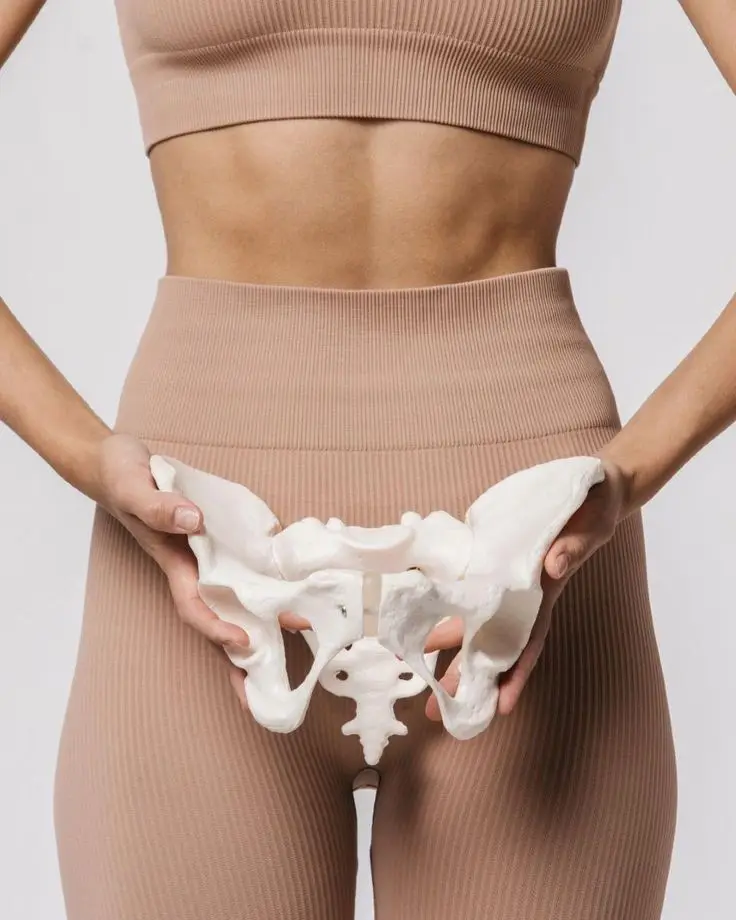
Pelvic Floor Health and Its Impact on Sexual Function
Introduction: Why is Pelvic Floor Health Important?
The
pelvic floor is a group of
core muscles that support the
bladder, intestines, and reproductive organs. These muscles directly affect
sexual performance, as the pelvic floor plays an important role in
arousal, orgasm, and control during intimate relations.
Weakness or spasms of the pelvic floor muscles can lead to issues such as:
Decreased sexual sensitivity.
Pain during intercourse.
Erectile dysfunction or premature ejaculation in men.
Urinary incontinence or loss of bladder control.
Fortunately,
pelvic floor health can be improved through
Kegel exercises, physical therapy, and lifestyle modifications to enhance
pleasure and confidence during intimate relations.
The Role of the Pelvic Floor in Sexual Function
- Enhancing Arousal and Sensation
The pelvic floor muscles help
improve blood flow to the reproductive organs, enhancing
arousal and sensitivity.
In
women, these muscles contribute to
better control of vaginal muscles, increasing
enjoyment during intimacy.
In
men, strong pelvic muscles help
improve erectile function and control ejaculation.
- Stimulating Orgasm
During orgasm, the pelvic floor muscles contract in a
rhythmic manner, enhancing
the intensity of sensation.
Weakness in these muscles may lead to:
Difficulty reaching orgasm.
Decreased intensity and impact.
Strengthening the pelvic floor muscles can help men
control ejaculation and improve the strength of orgasm in women.
- Preventing Sexual Disorders
In women: Weak pelvic floor muscles may lead to
vaginal laxity, discomfort during intercourse, or loss of sensation.
In men: Weakness in these muscles may cause
erectile dysfunction or premature ejaculation due to
poor control of the muscles supporting erection.
Pelvic Floor Disorders and Their Impact on Sexual Health
- Weak Pelvic Floor Muscles
This can lead to
decreased sexual pleasure, weak orgasms, or loss of bladder control.
Common after
pregnancy, childbirth, or menopause.
- Pelvic Floor Muscle Spasms (Hypertonicity)
Excess tension in the muscles may cause:
Pain during intercourse (dyspareunia).
Difficulty reaching orgasm.
Erectile dysfunction or pelvic pain in men.
- Pelvic Organ Prolapse
Occurs when
the pelvic floor muscles weaken, leading to
prolapse of the bladder, uterus, or rectum.
It can cause
discomfort during intercourse, urinary incontinence, and decreased self-esteem.
- Changes After Childbirth or Aging
During
pregnancy and childbirth, the pelvic muscles stretch, leading to
loss of strength and decreased control.
As one ages, the production of
estrogen and testosterone decreases, affecting
muscle elasticity and sexual sensitivity.
How to Improve Pelvic Floor Health to Enhance Sexual Performance
- Kegel Exercises to Strengthen Pelvic Floor Muscles
Kegel exercises help improve
muscle control, orgasm strength, and sexual performance.
How to perform
Kegel exercises:
Tighten the
pelvic floor muscles (as if trying to stop the flow of urine).
Hold for
3-5 seconds, then relax.
Repeat the exercise
10-15 times, 3 times a day.
- Relaxation Techniques for Tensed Muscles
Relaxation techniques help
release tension from the pelvic muscles, such as:
Yoga and pelvic stretches.
Deep breathing and meditation techniques.
Perineal massage (especially for women experiencing pain during intercourse).
- Pelvic Floor Physical Therapy
A physical therapist can assess the
muscle condition and create a
custom program to strengthen or relax them.
Ideal for those suffering from
pain, weakness, or muscle hypertonicity.
- Following a Healthy Lifestyle to Enhance Pelvic Floor Strength
Maintaining a
healthy weight reduces pressure on the pelvic muscles.
Drinking water and consuming fiber helps
prevent constipation, which can cause additional pressure on the pelvic floor.
Limiting caffeine and alcohol, as they can irritate the bladder and weaken the muscles.
- Using Resistance Training or Vaginal Weights (for Women)
Tools like
vaginal cones or pelvic floor training devices help:
Strengthen vaginal muscles.
Increase sexual sensation and improve pleasure.
Improve bladder control.
When to Seek Medical Help?
If you experience any of the following symptoms, it is best to consult a pelvic health specialist:
Pain during intercourse that does not improve with lubricants.
Urinary incontinence or loss of bladder control.
Difficulty reaching orgasm or decreased sensation.
Chronic pain or discomfort in the pelvic muscles.
Conclusion: A Healthy Pelvic Floor for a Better Sexual Life
The
pelvic floor muscles play a pivotal role in
arousal, orgasm, and comfort during intimacy. By:
Kegel exercises and relaxation techniques,
Physical therapy and lifestyle improvements,
Seeking specialized help when needed,
you can enhance
your sexual performance, self-confidence, and prevent future disorders.
Invest in your pelvic floor health and enjoy a more fulfilling and confident sexual life
Read also:
https://vitaminati.com/%d8%b9%d9%82%d9%85-%d8%a7%d9%84%d9%86%d8%b3%d8%a7%d8%a1/
https://vitaminati.com/%d8%b6%d8%b9%d9%81-%d8%a7%d9%84%d8%a7%d9%86%d8%aa%d8%b5%d8%a7%d8%a8-%d8%a7%d9%84%d8%a3%d8%b3%d8%a8%d8%a7%d8%a8-%d9%88%d8%a7%d9%84%d8%b9%d9%84%d8%a7%d8%ac/
https://vitaminati.com/%d9%83%d9%8a%d9%81-%d9%8a%d8%a4%d8%ab%d8%b1-%d8%a7%d9%84%d8%aa%d9%88%d8%aa%d8%b1-%d8%b9%d9%84%d9%89-%d8%a7%d9%84%d8%b1%d8%ba%d8%a8%d8%a9-%d9%88%d8%a7%d9%84%d8%a3%d8%af%d8%a7%d8%a1-%d8%a7%d9%84%d8%ac/