Phosphorus: The Comprehensive Guide to Benefits, Types, Dosages, and Best Methods of Use
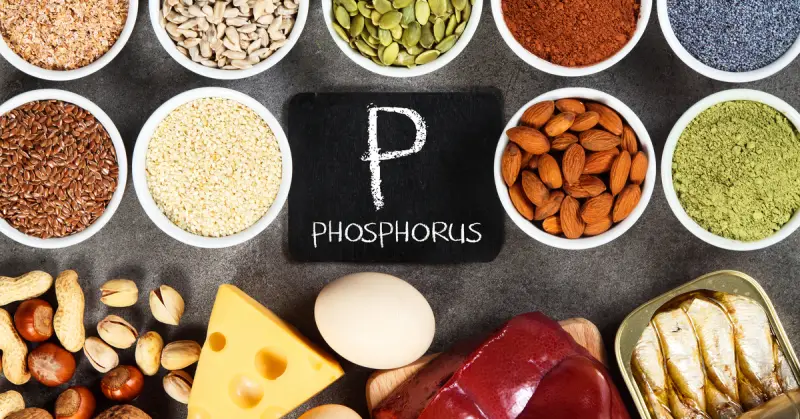
Phosphorus is one of the essential minerals in the body, ranking second in abundance after calcium. It is involved in many vital processes such as bone formation, energy production, and supporting cellular functions.
What is Phosphorus and Why Does the Body Need It
- Bone and tooth formation
- Energy production within cells
- Supporting kidney functions
- Regulating acid-base balance in the blood
- Contributing to the formation of DNA and RNA
Benefits of Phosphorus for General Health
- Supporting bone and tooth health
- Energy production
- Supporting brain functions
- Supporting heart and muscle health
- Cell and membrane formation
- Regulating fluid balance
Symptoms of Phosphorus Deficiency
- Fatigue and general weakness
- Bone pain
- Muscle weakness
- Loss of appetite
- Osteoporosis (in chronic cases)
- Respiratory problems in severe cases
Natural Sources of Phosphorus
Animal Sources:
- Red meat
- Chicken
- Fish
- Eggs
- Milk and dairy products
Plant Sources:
- Legumes
- Nuts
- Seeds
- Whole grains
When You Need Phosphorus Supplements
- Confirmed deficiency in tests
- Malabsorption issues
- Certain kidney diseases
- Intravenous nutrition
Recommended Daily Dose
- Adults: about 700 mg per day
- Pregnant and breastfeeding women: similar with slight variations
- Children: according to age
Best Time to Take Phosphorus
- Can be taken with food
- No specific fixed time
- Follow the doctor's instructions when using the supplement
Types of Phosphorus in Supplements
- Phosphate: The most common form for deficiency compensation
- Calcium Phosphate: To support bones and teeth
- Potassium Phosphate: For electrolyte balance
- Sodium Phosphate: Specific medical uses
How to Choose the Right Type
- For bone support: Calcium Phosphate
- For deficiency compensation: Phosphate
- For electrolyte balance: Potassium Phosphate
- For medical conditions: As prescribed by a doctor
Risks of Excess Phosphorus
- Mineral imbalance
- Calcium deposition in tissues
- Kidney problems
- Osteoporosis
- Heart disorders in severe cases
Usage Precautions
- Kidney patients
- Using multiple supplements containing phosphorus
- Calcium and phosphorus imbalance
- Long-term use without monitoring
Frequently Asked Questions
Is phosphorus only important for bones?
No, it plays a role in energy, nerves, and cells.
Is phosphorus deficiency common?
Relatively rare due to its availability in food.
Can it be obtained from food only?
Yes, in most cases.
Is it related to calcium?
Yes, and a balance between them should be maintained.
Conclusion
Phosphorus is an essential mineral that contributes to bone formation, energy production, and supporting cellular functions. Maintaining its balance with calcium is important for overall health, and often, dietary needs can be met through a balanced diet without the need for supplements, while avoiding excess and adhering to medical guidelines when necessary.
Reliable scientific sources • World Health Organization • National Institutes of Health • European Food Safety Authority • Office of Dietary Supplements