Probiotics, Prebiotics, and Postbiotics: What’s the Difference?
Probiotics, Prebiotics, and Postbiotics: What’s the Difference?
In recent years, the term "gut health" has taken center stage in health and wellness discussions, and it’s no longer surprising to hear words like probiotics, prebiotics, and postbiotics in conversations about nutrition, immunity, and even mental health. However, these terms are often used interchangeably, leading to confusion in understanding.
Therefore, it has become essential to clarify the differences between them, especially in light of the growing scientific advancements linking gut health to overall well-being. In this article, we will explore the fundamental differences between these three elements and demonstrate how each works in harmony to support the digestive system and human health in general.
First: What are Probiotics?
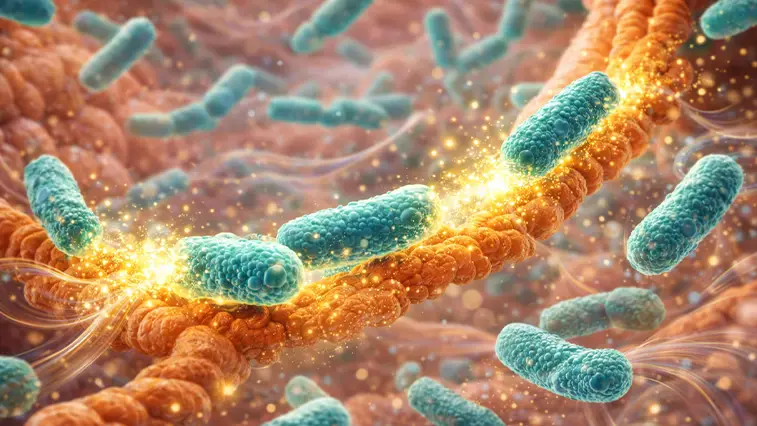
Scientifically, the term probiotics refers to beneficial microorganisms, such as bacteria and yeasts, that provide health benefits to the body when consumed in adequate amounts. Thus, they are not just dietary components but active elements that work directly within the digestive system.
When these organisms enter the intestines, they begin to perform multiple functions, including:
-
Restoring the natural balance of the gut microbiome, especially after antibiotic use.
-
Reducing the proliferation of harmful organisms through direct competition.
-
Activating the immune system and stimulating its defense mechanisms.
-
Improving digestion by producing beneficial enzymes and compounds.
Among the most well-known natural sources of probiotics are live yogurt, kefir, kimchi, sauerkraut, and miso. Additionally, probiotics are available in dietary supplements containing specific strains such as Lactobacillus acidophilus, a strain known for supporting gut and immune health.
In other words, probiotics can be likened to skilled workers who repair and enhance the internal structure of the intestines.
Second: What are Prebiotics?
In comparison to probiotics, prebiotics are not living organisms but a type of indigestible dietary fiber. Although the body cannot break down or absorb these fibers, they play a crucial role in nourishing probiotics and enhancing their survival and activity.
Once prebiotics reach the colon, microbial fermentation begins, leading to the production of nourishing compounds that support gut health.
Notable dietary sources of prebiotics include dandelion root, garlic, onions, green bananas, asparagus, as well as whole grains like oats and barley. Inulin is also one of the most well-known and widely used prebiotic compounds.
Thus, prebiotics represent the nutritional foundation upon which probiotics depend, just as plants rely on soil and fertilizer.
Third: What are Postbiotics?
While probiotics are produced through digestion and reproduction within the intestines, postbiotics are considered a secondary product of this microbial activity. In other words, they are the bioactive compounds secreted by probiotics after being nourished by prebiotics, known for their high effectiveness in supporting body health.
Some of the prominent functions of postbiotics include:
-
Enhancing the intestinal barrier and preventing toxins from leaking into the bloodstream.
-
Reducing inflammation both within the digestive system and externally.
-
Regulating the immune response, thereby reducing the chances of allergies and autoimmune diseases.
-
Improving metabolic balance, including blood sugar and fat levels.
Common examples of postbiotics include short-chain fatty acids like butyrate, lactate, remnants of bacterial cell walls, as well as antimicrobial compounds like bacteriocins.
Therefore, postbiotics can be considered the actual and direct results that translate into tangible health benefits.
Simplifying the Differences
To clarify further, the differences can be summarized as follows:
-
Probiotics: Beneficial living organisms that improve the gut environment.
-
Prebiotics: Fibers that nourish these organisms and stimulate their growth.
-
Postbiotics: Compounds resulting from the interaction between probiotics and prebiotics that enhance overall health.
Thus, these three elements are not competitive but rather complementary; each relies on the others to perform its function effectively.
In Conclusion
From the above, it is clear that supporting gut health is not limited to one element but relies on the integration of probiotics, prebiotics, and postbiotics. Therefore, consuming a balanced diet rich in natural fibers and fermented foods enhances microbiome diversity and strengthens vital body functions.
Additionally, incorporating these three elements into the diet positively impacts digestion, immunity, psychological balance, and even mental clarity. It is also important to note that this strategy does not require drastic changes but rather simple yet regular steps.
Frequently Asked Questions
Can I get probiotics, prebiotics, and postbiotics from food alone?
Yes, provided that the diet is varied and contains adequate amounts of fibers and fermented foods.
Are there dietary supplements that contain postbiotics?
Certainly, postbiotic supplements have started to emerge, which are particularly beneficial for those who cannot tolerate live probiotics.
Can probiotics work without prebiotics?
They can, but the presence of prebiotics significantly enhances the effectiveness of probiotics and supports their stability.
When can I notice the effects of probiotics on health?
In some cases, improvements appear within days, while it may take weeks or months to achieve long-term results.
Are there side effects to these compounds?
Some mild symptoms like bloating or gas may occur, but they are often temporary and resolve with adaptation.
What’s better: getting probiotics from food or supplements?
Both are beneficial, but fermented foods provide rich natural diversity, while supplements can offer a specific concentration of certain strains when needed.