Recurrent Lower Urinary Tract Infection: Does Urine Environment Have an Impact?
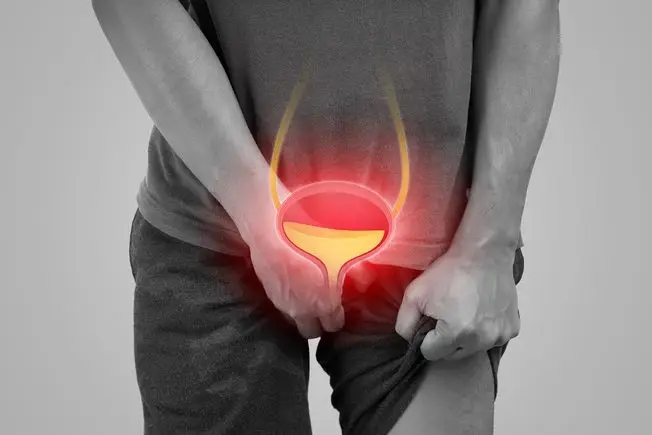
Recurrent Lower Urinary Tract Infection: Does Urine Environment Matter?
Recurrent urinary tract infection is a common issue that affects quality of life, especially in women. Many may wonder about the real causes behind recurrent urinary infections, and whether urine environment plays a role in this. In this article, we will discuss this relationship in a simplified scientific manner, highlighting the role of supportive factors such as PERAL in improving urinary tract health.
What is meant by recurrent urinary infection?
Recurrent urinary tract infection is defined as the occurrence of infections in the lower urinary tract (bladder or urethra) more than twice within 6 months, or three times within a year.
Common symptoms include:
- Burning or pain during urination.
- Frequent urge to urinate.
- Feeling of incomplete bladder emptying.
- Lower abdominal pain.
The recurrence of this condition may indicate ongoing factors affecting the urine environment and facilitating bacterial growth.
Does urine environment affect symptoms?
Yes, urine environment plays an important role in determining the susceptibility of bacteria to grow within the urinary tract. Highly acidic or unbalanced urine may contribute to increased irritation or facilitate the proliferation of certain types of bacteria.
Factors that affect urine environment include:
- pH level.
- Concentration of minerals such as calcium.
- Hydration level (amount of fluids).
This is where PERAL comes into play, which contains potassium citrate, as it helps to:
- Improve urine environment by raising its alkalinity.
- Reduce the growth of bacteria associated with recurrent urinary infections.
- Support kidney and bladder health.
Tips for improving urine environment:
- Drink adequate amounts of water daily.
- Avoid holding urine for long periods.
- Reduce intake of irritating foods such as caffeine.
What is the difference between relief, support, and prevention?
When dealing with recurrent urinary tract infection, it is important to distinguish between three concepts:
- Relief: Reducing symptoms such as pain and burning.
- Support: Improving urinary tract function and urine environment.
- Prevention: Reducing the chances of recurrent urinary infections in the future.
PERAL falls into the category of support and prevention, as it:
- Helps reduce the recurrence of infections.
- Improves the urinary environment to be less conducive to bacteria.
- Supports metabolic balance and kidney health.
However, it is important to note that it is not a substitute for antibiotics in acute cases.
What signs warrant a medical review?
While some cases can be managed simply, there are symptoms that require a doctor's review:
- Fever.
- Presence of blood in urine.
- Severe pain in the back or flank.
- Persistence of symptoms despite treatment.
- Notable recurrence of recurrent urinary tract infection.
In these cases, the cause may be deeper and require accurate diagnosis.
Frequently Asked Questions (FAQ)
What causes recurrent urinary tract infection?
The cause may be related to factors such as immune deficiency, changes in urine environment, or incomplete elimination of bacteria after treatment.
Does urine environment affect the recurrence of urinary infections?
Yes, urine environment plays a fundamental role in recurrent urinary infections, as it can facilitate or prevent bacterial growth.
Does PERAL prevent recurrent urinary tract infections?
PERAL helps support the prevention of recurrent urinary tract infections by improving the urinary environment, but it is not a direct treatment for infections.
When should one see a doctor?
One should see a doctor when symptoms recur or when serious signs such as fever or blood in the urine appear.
Conclusion
Recurrent urinary tract infection is closely linked to multiple factors, among which urine environment is significant. Improving this environment can contribute to reducing recurrent urinary infections and supporting urinary tract health.
PERAL is an effective supportive option by:
- Improving urine alkalinity.
- Reducing bacterial growth.
- Supporting the prevention of recurrent infections.
However, medical diagnosis remains essential to ensure appropriate treatment in advanced cases.