Spring Allergy: Symptoms, Triggers, and Treatment Options for Seasonal Relief
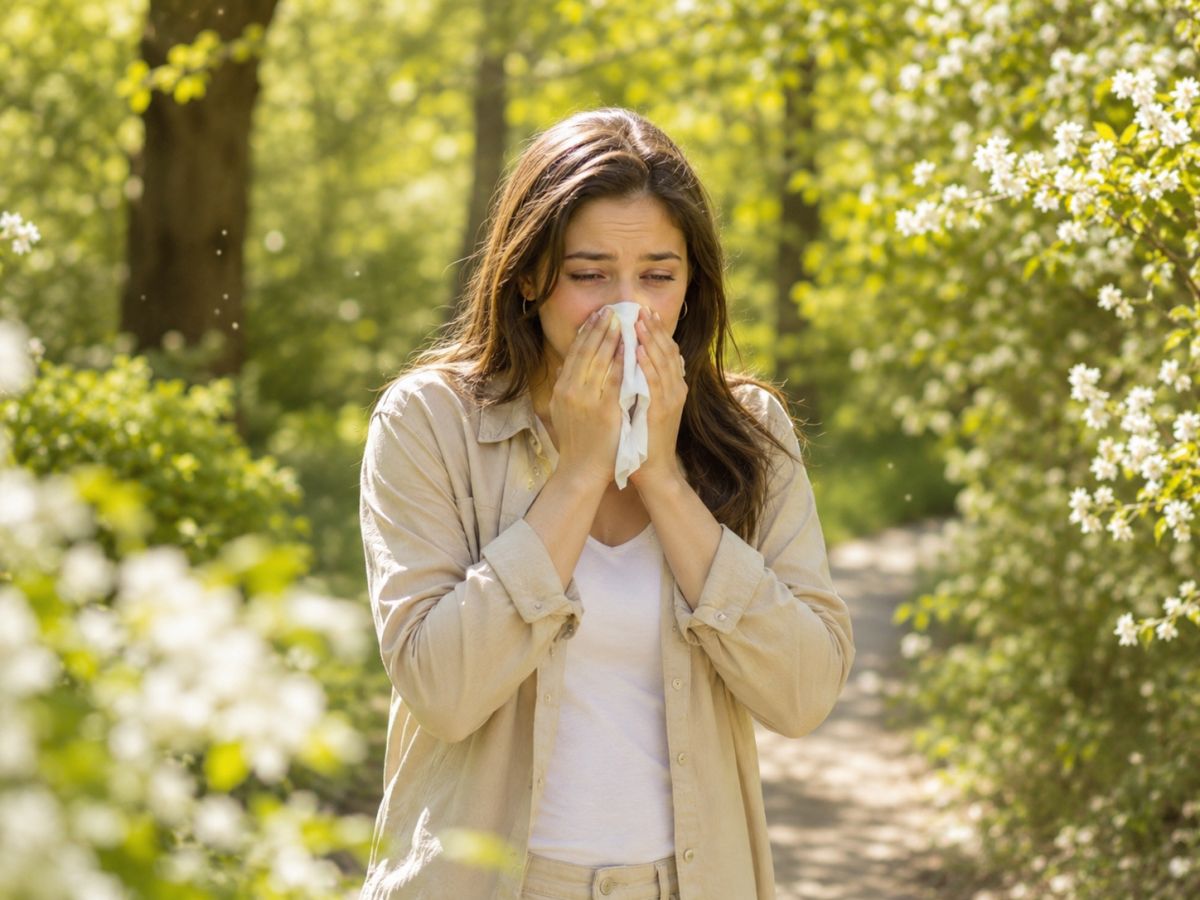
Spring allergy is a seasonal allergic reaction that commonly happens when the immune system reacts to airborne triggers such as tree pollen, grass pollen, mold spores, or dust. For many people, it feels like a cold that keeps returning every spring: sneezing, a runny or blocked nose, itchy eyes, throat irritation, and fatigue. The good news is that most symptoms can be managed with trigger reduction, the right over-the-counter options, and medical advice when symptoms are severe, persistent, or linked to asthma.
Key Takeaways
- Spring allergy is often a form of seasonal allergic rhinitis, also known as hay fever.
- Common symptoms include sneezing, nasal congestion, runny nose, itchy eyes, watery eyes, cough, and tiredness.
- The most common spring triggers are tree pollen, grass pollen, mold spores, dust, and outdoor allergens carried indoors on clothes, hair, or pets.
- Hot, dry, windy days can make pollen exposure worse, while rain may temporarily reduce airborne pollen.
- Second-generation antihistamines, nasal corticosteroid sprays, saline rinses, and allergy eye drops may help relieve symptoms when used appropriately.
- People with asthma should be more careful because pollen exposure can trigger or worsen asthma symptoms.
- Supplements and herbs should not be used as a replacement for evidence-based allergy care.
What Is Spring Allergy?
Spring allergy happens when the immune system identifies a harmless airborne substance as a threat. In response, the body releases inflammatory chemicals such as histamine, which leads to sneezing, itching, mucus production, nasal swelling, and watery eyes.
This type of allergy is usually called seasonal allergic rhinitis or hay fever. It mainly affects the nose, sinuses, eyes, throat, and sometimes the airways. If you already have asthma, spring allergens can also make breathing symptoms worse.
Some people experience allergies only during spring, while others have symptoms across several seasons. The timing depends on the local climate, the plants in your area, and your personal sensitivity. For example, tree pollen is often more important early in spring, while grass pollen may become more noticeable later in spring and early summer.
In Mediterranean and MENA regions, olive pollen may be relevant for some people. For a more specific allergy-related topic, Vitaminati also covers olive allergy causes and symptoms, which can help readers understand how plant-related allergens may affect sensitive individuals.
Spring Allergy Symptoms: What Does Seasonal Allergy Feel Like?
Spring allergy symptoms can be mild and annoying, or strong enough to affect sleep, concentration, exercise, and daily comfort. Symptoms often appear soon after exposure to pollen or another trigger.
Common nasal symptoms
- Sneezing, often in repeated episodes
- Runny nose with clear mucus
- Nasal congestion or blocked nose
- Itchy nose
- Postnasal drip, where mucus runs down the throat
- Reduced sense of smell
Common eye and throat symptoms
- Itchy, red, or watery eyes
- Swollen or puffy eyelids
- Itchy throat or ears
- Dry cough from throat irritation or postnasal drip
- Hoarseness or throat clearing
General symptoms
- Fatigue
- Poor sleep due to congestion
- Headache or sinus pressure
- Irritability or reduced focus
These symptoms may overlap with viral infections, but allergy symptoms often repeat in a seasonal pattern and are usually associated with itching, sneezing, and clear nasal discharge rather than fever or body aches.
Spring Allergy Triggers: What Makes Symptoms Worse?
The main spring allergy triggers are airborne allergens. These are tiny particles that can enter the nose, eyes, and airways when you breathe or spend time outdoors.
1. Tree pollen
Tree pollen is one of the most common early spring triggers. Different trees release pollen at different times, depending on geography and climate. Because pollen is light and can travel through the air, symptoms may appear even if you are not standing directly next to the tree.
2. Grass pollen
Grass pollen often becomes more noticeable later in spring and can continue into summer. People who react to grass pollen may feel worse after walking in parks, sitting on grass, mowing lawns, or drying clothes outdoors.
3. Mold spores
Mold can grow in damp soil, old leaves, humid indoor areas, bathrooms, kitchens, and poorly ventilated spaces. Mold spores may increase after rain, in humid weather, or in homes with moisture problems.
4. Dust and indoor allergens
Spring cleaning can stir up dust, dust mites, and pet dander. Opening windows may also allow pollen to enter the home and settle on curtains, carpets, bedding, and furniture.
5. Outdoor allergens carried indoors
Pollen can stick to clothes, hair, shoes, bags, and pets. This is why symptoms may continue indoors after being outside. Showering, changing clothes, and keeping windows closed during high-pollen periods can reduce exposure.
Is It Spring Allergy, a Cold, or Something Else?
Spring allergy and the common cold can look similar, especially when congestion and runny nose are the main symptoms. A practical way to tell the difference is to look at the pattern.
| Feature | Spring Allergy | Common Cold |
|---|---|---|
| Timing | Returns during allergy season or after exposure | Usually lasts several days to about a week |
| Itching | Common in eyes, nose, throat, or ears | Less common |
| Nasal discharge | Usually clear and watery | May become thicker |
| Fever | Not typical | May occur |
| Body aches | Not typical | Can occur |
| Duration | Can continue as long as exposure continues | Usually improves as the infection resolves |
If symptoms are severe, unusual, or associated with fever, chest pain, wheezing, shortness of breath, or facial pain that does not improve, medical evaluation is important.
Spring Allergy Treatment: What Helps Relieve Symptoms?
Spring allergy treatment usually combines two goals: reducing exposure to triggers and controlling symptoms. The best approach depends on your symptoms, age, pregnancy status, other medical conditions, and current medications.
1. Reduce pollen exposure
Trigger avoidance is not always perfect, but small changes can reduce total exposure:
- Check pollen forecasts before planning long outdoor activities.
- Keep windows closed on high-pollen days.
- Use air conditioning or suitable filters when possible.
- Shower and wash your hair after spending time outdoors.
- Change clothes after outdoor exposure.
- Avoid touching or rubbing your eyes outside.
- Dry clothes indoors during high-pollen periods.
- Wear sunglasses outdoors to reduce pollen contact with the eyes.
These steps are especially useful for people who notice symptoms after walking outside, exercising outdoors, gardening, or sleeping with windows open.
2. Saline nasal rinse or spray
Saline sprays or rinses can help wash allergens and mucus from the nasal passages. They do not replace allergy medication when inflammation is strong, but they may improve comfort and reduce dryness or irritation.
Use sterile, distilled, previously boiled, or properly filtered water for nasal rinsing devices. Clean the device according to instructions to reduce contamination risk.
3. Second-generation antihistamines
Antihistamines help block histamine-related symptoms such as sneezing, itching, and runny nose. Second-generation oral antihistamines are often preferred over older first-generation antihistamines because they are generally less sedating for many people.
Examples include cetirizine, loratadine, fexofenadine, and similar options. However, some people still feel drowsy, especially with cetirizine, so it is important to read the label and avoid driving if you feel sleepy.
4. Nasal corticosteroid sprays
Nasal corticosteroid sprays are commonly recommended for persistent allergic rhinitis, especially when congestion is the main problem. They work by reducing inflammation inside the nose.
These sprays often work best when used consistently, not only once symptoms become severe. They may take several days to reach full effect. Proper technique matters: aim the spray slightly outward, away from the center wall of the nose, to reduce irritation or nosebleeds.
5. Nasal antihistamine sprays
Nasal antihistamine sprays may help with sneezing, runny nose, and congestion. In some moderate to severe cases, a healthcare professional may recommend a combination approach, such as a nasal corticosteroid plus a nasal antihistamine.
6. Allergy eye drops
If itchy or watery eyes are the main issue, allergy eye drops may be useful. Avoid using redness-relief drops for long periods unless advised by a professional, because some can worsen irritation when overused.
7. Decongestants: use carefully
Decongestants may temporarily reduce nasal blockage, but they are not suitable for everyone. People with high blood pressure, heart disease, glaucoma, thyroid disease, prostate problems, pregnancy, or those taking certain medications should ask a healthcare professional before using them.
Nasal decongestant sprays should not be used for many days in a row unless directed by a healthcare professional, because overuse can cause rebound congestion.
8. Allergy testing and immunotherapy
If symptoms are moderate to severe, frequent, difficult to control, or linked to asthma, allergy testing may help identify the exact triggers. A healthcare professional may suggest skin prick testing or specific IgE blood testing when the history fits allergic rhinitis.
Allergen immunotherapy, such as allergy shots or selected under-the-tongue tablets, may be considered for some people whose symptoms are not well controlled with avoidance and medications, or for those who prefer a longer-term treatment strategy under specialist supervision.
If you have asthma or wheezing during allergy season, review Vitaminati’s guide to asthma symptoms and prevention methods to better understand why respiratory symptoms need careful monitoring.
Can Food, Vitamins, or Supplements Help Spring Allergy?
No vitamin, mineral, herb, or supplement should be presented as a cure for spring allergy. Allergic rhinitis is an immune-mediated condition, and symptom control usually depends on reducing allergen exposure and using appropriate allergy treatments when needed.
That said, balanced nutrition still matters. A varied diet supports normal immune function, energy, sleep, and recovery from everyday stressors. Vitamin C, vitamin D, zinc, selenium, and other micronutrients play roles in normal immune physiology, but taking high doses does not mean allergy symptoms will disappear.
For a broader evidence-based overview, you can review Vitaminati’s article on the role of vitamins in immunity. If you are specifically interested in diet sources, Vitaminati also explains vitamin C benefits, deficiency, dosage, and safe use.
Be cautious with “natural allergy remedies” that promise fast results. Some herbs may interact with medications, trigger allergic reactions, or be unsuitable during pregnancy, breastfeeding, or chronic illness. If you use supplements, keep them supportive, not a replacement for medical care.
When Should You See a Doctor for Spring Allergy?
Many mild seasonal allergy symptoms can be managed with avoidance steps and non-prescription options. However, medical advice is important if:
- Symptoms interfere with sleep, work, school, or exercise.
- You have wheezing, chest tightness, or shortness of breath.
- You have asthma and your symptoms worsen during spring.
- Over-the-counter medicines are not helping.
- You need allergy medicines for many weeks every season.
- You are pregnant, breastfeeding, treating a child, or managing chronic disease.
- You have facial pain, fever, thick nasal discharge, or symptoms that suggest sinus infection.
- You experience swelling of the lips, tongue, throat, or difficulty breathing, which requires urgent medical care.
Professional evaluation can also help confirm whether symptoms are allergic rhinitis, non-allergic rhinitis, sinus disease, asthma, medication-related rhinitis, or another condition.
Common Mistakes That Make Seasonal Allergy Worse
Ignoring the timing of medication
Some allergy medicines work better when started before symptoms become intense or when used consistently during the trigger period. Waiting until symptoms are severe may make control harder.
Using nasal sprays incorrectly
Poor spray technique can reduce benefit and increase irritation. Avoid spraying directly toward the middle of the nose. Gentle, correct use is often more effective.
Keeping windows open on high-pollen days
Fresh air may feel good, but it can bring pollen indoors. Bedrooms are especially important because nighttime exposure can worsen sleep quality.
Overusing decongestant sprays
Short-term use may help congestion, but overuse can lead to rebound stuffiness. This can create a cycle where the nose feels blocked without the spray.
Assuming all spring symptoms are “just allergy”
Fever, severe sinus pain, worsening cough, breathing difficulty, or symptoms that do not follow a seasonal pattern deserve medical assessment.
Recommended Next Reading
For related Vitaminati reading, start with olive allergy causes and symptoms if plant-related allergies are common in your region. If pollen affects your breathing, continue with asthma causes, symptoms, and prevention methods. For nutrition context without exaggerated claims, review how essential nutrients support normal immune function.
FAQs About Spring Allergy
1. What is the main cause of spring allergy?
The most common cause is airborne pollen, especially from trees and grasses. Mold spores, dust, and indoor allergens can also worsen symptoms during spring.
2. How do I know if I have spring allergy or a cold?
Spring allergy often causes itching, sneezing, watery eyes, and clear runny nose without fever. A cold is more likely to cause body aches, fever, and symptoms that resolve within several days.
3. Can spring allergy cause cough?
Yes. Postnasal drip can irritate the throat and cause cough. Pollen can also worsen asthma symptoms in people with asthma.
4. What is the best medicine for spring allergy?
There is no single best option for everyone. Nasal corticosteroid sprays are often useful for persistent congestion, while antihistamines may help sneezing, itching, and runny nose.
5. Are allergy nasal sprays safe?
Many nasal allergy sprays are safe when used as directed. Technique and duration matter, especially with decongestant sprays, which should not be overused.
6. Can supplements cure spring allergy?
No. Supplements should not be presented as a cure for allergic rhinitis. A balanced diet can support normal immune function, but allergy treatment should focus on trigger control and appropriate medical options.
7. When should I get allergy testing?
Testing may be helpful when symptoms are persistent, moderate to severe, unclear, or not controlled with standard measures. A clinician can decide whether skin or blood testing is appropriate.
8. Can spring allergy trigger asthma?
Yes. Pollen exposure can trigger asthma symptoms in sensitive people. Wheezing, chest tightness, or shortness of breath should be taken seriously.
References
- MedlinePlus Medical Encyclopedia. Allergic Rhinitis.
- Centers for Disease Control and Prevention. Pollen and Your Health.
- Dykewicz MS, et al. Rhinitis 2020: A Practice Parameter Update.
This article is for general educational purposes and does not replace medical advice. If you are pregnant, breastfeeding, have asthma, have a chronic condition, take medications, or are choosing treatment for a child, consult a healthcare professional before starting or changing allergy medicines or supplements.