Sources of Vitamin B1
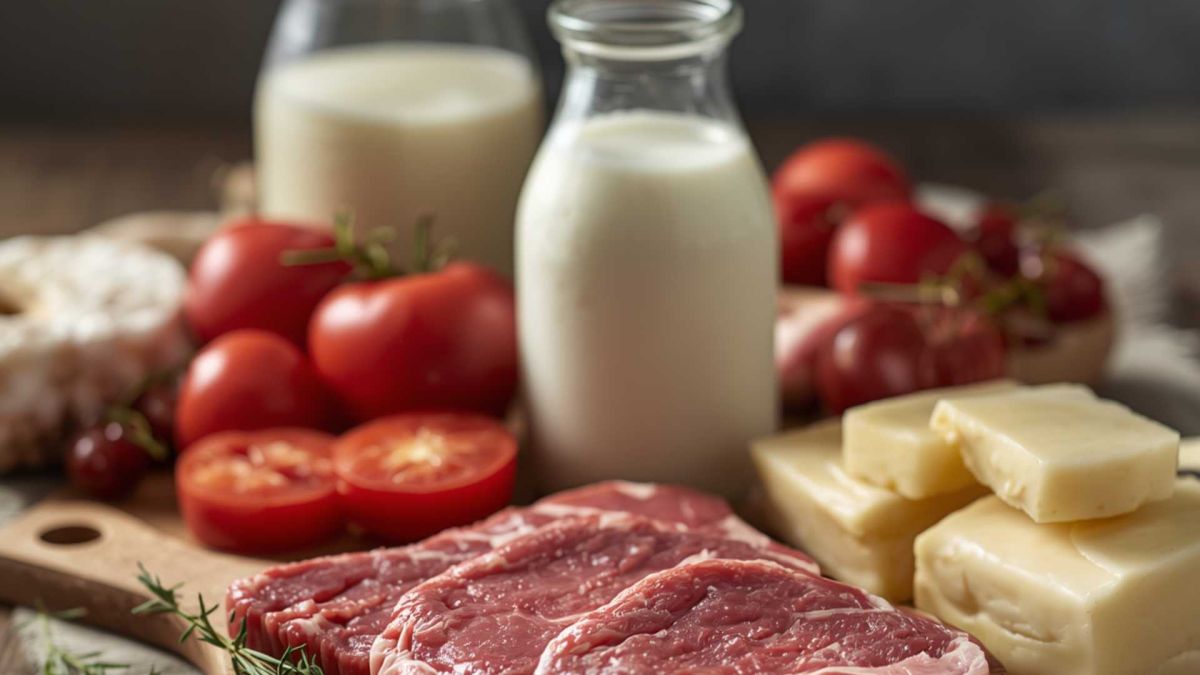
Sources of Vitamin B1 and the Best Foods That Contain It
Vitamin B1 (thiamine) is one of the essential vitamins that the body needs to produce energy and support nerve health. Since the body cannot store it in large quantities, it is important to obtain it daily from natural sources of B1.
The Importance of Daily Sources of B1
Vitamin B1 helps convert carbohydrates into energy and supports the functions of the nervous system and heart. Therefore, regularly consuming foods containing B1 helps to:
- Reduce fatigue and exhaustion.
- Improve concentration and cognitive functions.
- Support nerve health.
- Enhance daily activity.
Best Food Sources of B1
Sources of B1 are available in a variety of healthy foods, making it easy to incorporate them into the daily diet:
1. Whole Grains
- Brown rice
- Oats
- Whole wheat
Whole grains are among the most important foods containing B1, especially when consumed unrefined.
2. Legumes
- Lentils
- Beans
- Chickpeas
Legumes are considered one of the best plant sources of B1 and are suitable for vegetarians.
3. Nuts and Seeds
- Sunflower seeds
- Almonds
- Walnuts
These foods provide a good amount of Vitamin B1, along with healthy fats.
4. Meats
- Beef
- Chicken
- Liver
Meats are among the richest foods containing B1, especially liver.
5. Vegetables
- Potatoes
- Peppers
- Asparagus
Although they contain smaller amounts, they contribute to meeting the daily requirement of sources of B1.
Tips to Increase Vitamin B1 Absorption from Food
- Choose whole grains instead of refined ones.
- Reduce long cooking times that decrease vitamin content.
- Follow a balanced diet that includes all B vitamins.
- Avoid excessive alcohol as it reduces vitamin absorption.
Can We Rely Solely on Foods Containing B1?
In most cases, it is possible to meet the daily requirement from natural sources of B1. However, some individuals may need dietary supplements in special cases such as vitamin deficiency or malabsorption issues.
What Happens When There is a Vitamin B1 Deficiency?
- Fatigue and exhaustion
- Nerve weakness and numbness
- Heart problems
- Poor concentration
Therefore, regularly consuming foods containing B1 helps prevent these symptoms.
Frequently Asked Questions (FAQ)
What are the main natural sources of B1?
The main sources of B1 include whole grains, legumes, meats, and nuts.
Can B1 be obtained from a plant-based diet?
Yes, there are many foods containing B1 suitable for vegetarians, such as lentils, oats, and seeds.
Does cooking affect Vitamin B1?
Yes, cooking for long periods may reduce vitamin content, so light cooking is preferred.
How often should foods containing B1 be consumed?
It is recommended to consume sources of B1 daily as the body does not store the vitamin in large amounts.
Conclusion
Sources of B1 are an essential part of a healthy diet, as they help support energy and nerve health. Incorporating foods containing B1 daily ensures maintaining activity and preventing vitamin deficiency.