The Best Vitamins to Boost Energy and Reduce Fatigue During Ramadan
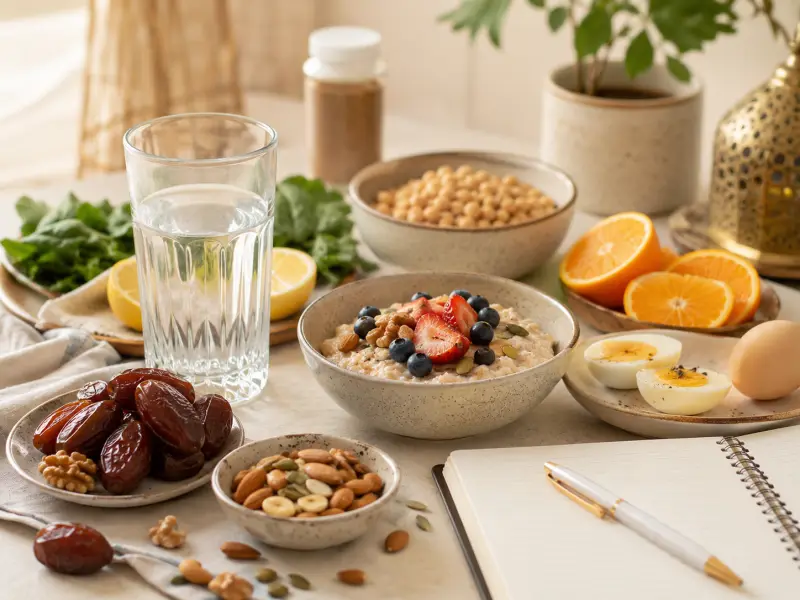
Best Vitamins for Energy and Fatigue During Ramadan
Many people experience lower energy and daytime fatigue during Ramadan. This is common because fasting changes meal timing, sleep rhythm, hydration, caffeine intake, and daily routines. However, fatigue is not always unavoidable. It can often be reduced by understanding the causes of Ramadan fatigue and improving nutrition, especially the vitamins and minerals involved in normal energy metabolism.
In this article, we explain the best vitamins and minerals that may help support energy and reduce fatigue during Ramadan, including B vitamins, iron, magnesium, vitamin C, and vitamin D. These nutrients are not instant stimulants, but they can support normal energy production, oxygen transport, muscle function, and iron absorption when intake is low or deficiency is present.
For practical meal planning, you can also connect this article with Vitaminati’s guides to suhoor vitamins and iftar vitamins.
Key Takeaways
- Fatigue during Ramadan is often linked to poor sleep, dehydration, skipped suhoor, high sugar intake, or low nutrient density.
- B vitamins help the body convert food into usable energy, but they do not usually increase energy if levels are already adequate.
- Iron supports oxygen transport, and low iron may contribute to tiredness, weakness, and difficulty concentrating.
- Magnesium supports muscle and nerve function, and low intake may contribute to fatigue or cramps in some people.
- Vitamin C supports immune function and helps improve absorption of plant-based iron.
- Vitamin D may matter during Ramadan when sun exposure is low, but it should not be used as a general energy booster.
Why Do People Feel Tired While Fasting?
Fatigue during Ramadan is rarely caused by one factor only. It usually reflects a combination of changes in food, fluids, sleep, and daily activity.
- Eating fewer meals than usual.
- Eating too little overall, especially during suhoor.
- Drinking too little water between iftar and suhoor.
- Sleeping late or having fragmented sleep.
- Skipping suhoor or eating a suhoor high in salt and low in protein or fiber.
- Eating too many sweets and fried foods after iftar.
- Low intake of nutrients such as iron, vitamin B12, magnesium, vitamin C, or vitamin D.
This is why fatigue should not be treated automatically with supplements. If the main cause is dehydration, lack of sleep, or a weak suhoor, vitamins alone will not solve the problem. If fatigue is linked to a true deficiency, targeted supplementation may help after proper assessment.
What Are Vitamins and Why Does the Body Need Them for Energy?
Vitamins do not contain calories, so they do not give energy directly the way carbohydrates, fats, and protein do. Instead, they help the body release and use energy from food by supporting enzymes and metabolic processes inside cells.
This is why B vitamins, iron, magnesium, vitamin C, and vitamin D are often discussed in relation to Ramadan fatigue. Their role is supportive, not stimulant-like. To understand how different vitamins are absorbed, read Vitaminati’s guide on how vitamins are absorbed in the body.
B Vitamins and Their Role in Energy Production
B complex vitamins are closely linked to energy metabolism because they help the body process carbohydrates, fats, and proteins. They also support normal nervous system function and, in some cases, red blood cell formation.
Important B vitamins for energy include:
- Vitamin B1, or thiamine: supports carbohydrate metabolism.
- Vitamin B2, or riboflavin: supports energy production and normal cell function.
- Vitamin B3, or niacin: helps form NAD and NADP, which are involved in energy metabolism.
- Vitamin B6: supports protein metabolism and nervous system function.
- Folate, or vitamin B9: supports cell division and red blood cell formation.
- Vitamin B12: supports red blood cell formation, nerve function, and DNA synthesis.
B vitamin intake may drop during Ramadan when meals are low in whole grains, legumes, eggs, meat, dairy products, or fortified foods. However, B complex supplements do not usually create extra energy if levels are already normal. They are most useful when intake is low, absorption is poor, diet is restricted, or deficiency is present.
Iron and Its Effect on Energy and Focus
Iron is essential for hemoglobin, the protein in red blood cells that carries oxygen. When iron levels are low, oxygen delivery to tissues may be reduced, which can contribute to persistent tiredness, weakness, dizziness, palpitations, or difficulty concentrating.
During Ramadan, iron intake may decrease if iftar and suhoor rely mostly on refined carbohydrates, sweets, and fried foods rather than protein-rich foods and legumes. Iron may be especially important for women of reproductive age, vegetarians, people with heavy menstrual bleeding, and anyone with a history of anemia.
For more detail, you can explore Vitaminati’s Iron category.
Iron-Rich Foods for Ramadan
- Lean red meat in moderate amounts.
- Chicken and fish.
- Lentils, chickpeas, fava beans, and beans.
- Spinach and leafy greens.
- Iron-fortified grains or cereals.
- Dates and raisins in moderate amounts as part of a balanced meal.
To improve absorption of plant-based iron, pair legumes or leafy greens with vitamin C-rich foods such as lemon, bell peppers, oranges, kiwi, strawberries, or tomatoes.
Magnesium and Fatigue Reduction
Magnesium is involved in hundreds of biological reactions, including muscle function, nerve signaling, electrolyte balance, and energy production inside cells. Low magnesium intake may contribute to fatigue, weakness, or muscle cramps in some people.
During Ramadan, magnesium intake may be lower when meals contain few nuts, seeds, legumes, whole grains, or leafy greens. Before starting a supplement, it is usually better to improve food sources first.
Magnesium-Rich Foods for Fasting Adults
- Almonds, cashews, and pumpkin seeds.
- Oats and whole grains.
- Lentils, chickpeas, beans, and fava beans.
- Spinach and leafy greens.
- Avocado and banana as part of a balanced meal.
- Dark chocolate in moderate amounts.
Magnesium supplements may help when deficiency or low intake is present, but they are not suitable for everyone. People with kidney disease or those taking long-term medications should ask a doctor or pharmacist before using magnesium supplements.
Vitamin C and Fatigue: An Indirect Role
Vitamin C is well known for immune support, but it may also support energy indirectly by improving absorption of non-heme iron from plant-based foods. This can matter during Ramadan when meals rely heavily on legumes, grains, and vegetables as iron sources.
Vitamin C also acts as an antioxidant and supports collagen formation. However, it is not a direct energy booster. The best approach is to include vitamin C-rich foods daily instead of depending on sweetened juices or unnecessary high-dose supplements.
Vitamin C Sources for Ramadan
- Oranges, mandarins, and grapefruit.
- Kiwi and strawberries.
- Bell peppers and broccoli.
- Lemon added to salad or soup.
- Tomatoes, parsley, and arugula.
Vitamin D: Can It Be Related to Ramadan Fatigue?
Low vitamin D may be associated with fatigue or muscle weakness in some people, especially when deficiency is clear. During Ramadan, sunlight exposure may decrease because people sleep during the day, stay indoors, or avoid outdoor activity due to heat.
However, vitamin D should not be used as a general stimulant or high-dose energy supplement. Its benefit is most relevant when deficiency or risk factors are present. If you have persistent fatigue and limited sun exposure, read Vitaminati’s guide to vitamin D during Ramadan.
Best Time to Take Energy Vitamins During Ramadan
Supplement timing can help improve absorption and reduce stomach discomfort, but timing does not replace choosing the right supplement, dose, and reason for use.
- B vitamins: can be taken after iftar or with suhoor, preferably with food if they irritate the stomach.
- Vitamin C: can be taken after iftar or with suhoor, though food sources should come first when possible.
- Iron: should not be used without a clear need. It is often better absorbed away from tea, coffee, and calcium, and may be paired with vitamin C when appropriate.
- Magnesium: may be taken after food if recommended. Some people prefer it in the evening if it feels relaxing.
- Vitamin D: is best taken with a meal that contains healthy fats, such as iftar or suhoor.
For a broader supplement timing guide, read Vitaminati’s article on the best time to take vitamins.
Natural Food Sources for Energy
Although supplements may help when there is a deficiency, food is the foundation of energy. The body needs balanced calories, protein, complex carbohydrates, healthy fats, fluids, and fiber—not vitamins alone.
Good Suhoor Options
- Oats with milk or yogurt, nuts, and fruit.
- Eggs with whole grain bread and fresh vegetables.
- Fava beans or chickpeas with olive oil and lemon.
- Yogurt with whole fruit.
- Unsalted nuts in moderate amounts.
Good Iftar Options
- Water and dates in moderation.
- A light soup, such as lentil or vegetable soup.
- A protein source such as chicken, fish, eggs, lean meat, or legumes.
- A salad or cooked vegetables rich in vitamin C.
- Complex carbohydrates such as brown rice, bulgur, oats, or whole grain bread.
For a more practical meal path, use Vitaminati’s articles on what your body needs before fasting and how to restore energy after fasting.
When Do You Need Extra Supplements?
Energy supplements or vitamin and mineral supplements may be helpful in certain situations, including:
- Persistent fatigue despite better sleep, hydration, and balanced meals.
- Low appetite or very low food intake during Ramadan.
- A restrictive diet or strict vegetarian or vegan diet without planning.
- Symptoms that may suggest deficiency, such as pale skin, dizziness, numbness, muscle cramps, or clear weakness.
- Chronic disease, malabsorption, or medication use that may affect nutrient status.
Iron, high-dose vitamin D, and strong multivitamins should not be used randomly. Medical testing may be needed if fatigue is severe, persistent, or associated with warning symptoms.
Mistakes That Reduce Energy During Ramadan
- Skipping suhoor.
- Relying mainly on sugary foods after iftar.
- Drinking too much tea or coffee and too little water.
- Sleeping irregularly or staying up very late every night.
- Eating a very large iftar and becoming inactive immediately after.
- Using supplements instead of improving food quality.
- Choosing sweetened juices instead of whole fruit.
Daily Tips for Energy and Vitality
- Organize sleep as much as possible, even if sleep is divided into two periods.
- Drink water gradually between iftar and suhoor.
- Make suhoor rich in protein, fiber, and healthy fats.
- Add vegetables and fruit daily for vitamin C, potassium, and fiber.
- Choose complex carbohydrates instead of only fast sugars.
- Take a light walk after iftar if it suits your health condition.
- Do not ignore persistent fatigue, especially if it comes with dizziness, palpitations, shortness of breath, pale skin, or unexplained weight loss.
FAQs About Energy Vitamins During Ramadan
What is the best vitamin for energy during Ramadan?
There is no single best vitamin for everyone. B vitamins are important for energy metabolism, but iron, magnesium, vitamin C, and vitamin D may also matter depending on the cause of fatigue.
Does vitamin B12 increase energy while fasting?
Vitamin B12 may help if you have a deficiency or absorption problem. It does not usually provide extra energy when B12 levels are already normal.
Do I need an iron supplement during Ramadan?
Do not take iron unless there is a clear need or medical advice. Too much iron can be harmful, so testing is often important when deficiency is suspected.
Can magnesium reduce fatigue?
Magnesium supports energy metabolism and muscle and nerve function, and low levels may contribute to fatigue or cramps. Supplements are not always necessary if food intake is adequate.
When should I take energy vitamins during Ramadan?
B vitamins and vitamin C can be taken after iftar or with suhoor. Vitamin D is best taken with a meal that contains healthy fats. Iron needs more specific timing and should follow professional advice.
How can I avoid sleepiness after iftar?
Start with water and a light opening meal, then eat a balanced plate without overeating fried foods or desserts. A short walk after iftar may help some people.
Conclusion
Feeling tired during Ramadan is common, but it is not unavoidable. By understanding the causes of Ramadan fatigue, improving suhoor and iftar, drinking enough water, and organizing sleep, many people can support better energy throughout the month.
B vitamins, iron, magnesium, vitamin C, and vitamin D all play important roles in energy metabolism, oxygen transport, muscle function, iron absorption, and general health. Their benefit is clearest when intake is low or deficiency is present, not when they are used randomly as stimulants.
If fatigue is severe or continues despite improving your routine, speak with a doctor or pharmacist instead of taking random supplements, especially iron or high-dose vitamin D.
Medical disclaimer: This article is for general educational purposes only and does not replace medical advice. Consult a healthcare professional before using supplements if you are pregnant, breastfeeding, have kidney or liver disease, have anemia, take long-term medications, or experience severe or persistent fatigue.
Scientific References
- NIH Office of Dietary Supplements: Vitamin B12 Fact Sheet for Health Professionals
- NIH Office of Dietary Supplements: Iron Fact Sheet for Health Professionals
- NIH Office of Dietary Supplements: Magnesium Fact Sheet for Health Professionals
- NIH Office of Dietary Supplements: Vitamin C Fact Sheet for Health Professionals
- NIH Office of Dietary Supplements: Vitamin D Fact Sheet for Health Professionals