The Comprehensive Guide to Vitamins During Ramadan for Maintaining Health and Energy
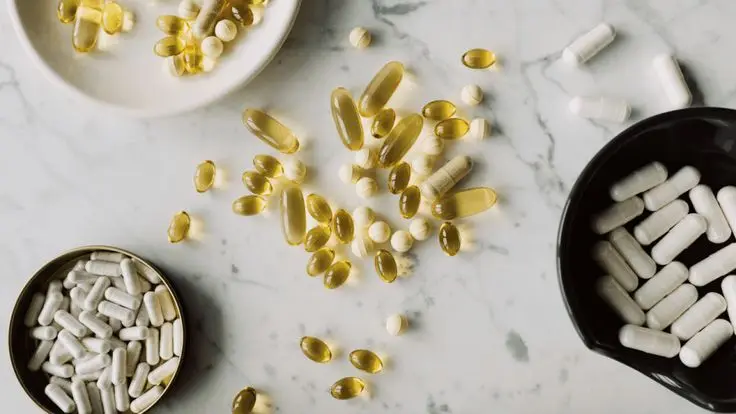
Vitamins During Ramadan: What Does the Fasting Body Really Need?
Ramadan is a special month that changes daily eating patterns, sleep routines, hydration timing, and energy use. Because food and drink are limited to the non-fasting hours, many people begin to ask whether they need specific vitamins during Ramadan to support energy, focus, digestion, and general health.
Vitamins during Ramadan do not work like instant energy boosters. Instead, they help the body perform essential functions when they are part of a balanced diet. Some vitamins and minerals support energy metabolism, oxygen transport, nerve function, muscle function, immune activity, and iron absorption. This is why the goal is not to take many supplements, but to understand which nutrients matter, how to get them from food, and when supplementation may be useful.
In this guide, we explain the most important vitamins and minerals for fasting adults, the best time to take them, the difference between food and supplements, and the most common Ramadan nutrition mistakes. For practical meal planning, you can also read Vitaminati’s guides to suhoor vitamins and iftar vitamins.
Key Takeaways
- Fasting does not automatically cause vitamin deficiency, but poorly planned meals may reduce intake of key nutrients.
- B vitamins help the body convert food into usable energy, but they are not stimulants.
- Vitamin D supports bone, muscle, and normal immune function, and may need attention when sun exposure is limited.
- Vitamin C supports immune function and helps improve absorption of plant-based iron.
- Iron, magnesium, and zinc are important minerals for oxygen transport, muscle and nerve function, and immune health.
- Supplements are not necessary for everyone and should be used when there is a real need, deficiency risk, or professional recommendation.
How Does Fasting Affect Nutritional Needs?
Fasting changes when people eat and drink, but it does not automatically mean the body will become deficient in vitamins or minerals. The challenge usually comes from the quality of meals. If iftar is mostly fried food, sweets, and sugary drinks, while suhoor is skipped or too light, the body may receive fewer vitamins, minerals, protein, fiber, and fluids than it needs.
During Ramadan, several changes may affect nutrition:
- Fewer daily meals.
- One very large iftar instead of balanced food distribution.
- Skipping suhoor or choosing a suhoor low in protein and fiber.
- Low water intake between iftar and suhoor.
- Less variety in fruits, vegetables, legumes, whole grains, and mineral-rich foods.
- Changed supplement timing, which may affect consistency or absorption.
If these changes are not balanced with smart meal planning, some people may experience fatigue, headache, constipation, low concentration, or low energy. These symptoms do not always mean vitamin deficiency, but they may indicate that food quality, hydration, or sleep needs improvement.
What Are Vitamins and Why Does the Body Need Them?
Vitamins are micronutrients that the body needs in small amounts. They do not provide calories, so they do not give energy directly. Instead, they help enzymes and cells use food properly. Some vitamins support energy metabolism, while others support immunity, skin, nerves, blood, bones, and antioxidant protection.
Vitamins are generally divided into two major groups:
- Water-soluble vitamins: such as vitamin C and B vitamins. These are not stored in large amounts, so regular intake matters.
- Fat-soluble vitamins: such as vitamins A, D, E, and K. These are absorbed better with fat and may accumulate in the body if taken excessively as supplements.
To understand this difference more clearly, read Vitaminati’s guide on how vitamins are absorbed in the body.
Important Vitamins for Fasting Adults
1. B Vitamins for Energy and Nerve Function
B complex vitamins are closely linked to energy metabolism because they help the body process carbohydrates, fats, and proteins. They also support nervous system function and, in some cases, red blood cell formation.
Important B vitamins for fasting adults include:
- Vitamin B1, or thiamine: supports carbohydrate metabolism.
- Vitamin B2, or riboflavin: supports energy production and normal cell function.
- Vitamin B3, or niacin: helps form compounds involved in energy metabolism, such as NAD and NADP.
- Vitamin B6: supports protein metabolism and nervous system function.
- Vitamin B9, or folate: supports cell division and blood formation.
- Vitamin B12: supports red blood cell formation, nerve function, and DNA synthesis.
B vitamin intake may drop during Ramadan when meals are low in whole grains, legumes, eggs, meat, dairy products, or fortified foods. However, B complex supplements do not usually create extra energy if levels are already normal. They are more useful when intake is low, absorption is poor, diet is restricted, or deficiency is present.
2. Vitamin D for Bones, Muscles, and Immune Function
Vitamin D is important because it helps the body absorb calcium and phosphate, which are essential for bone health. It also contributes to normal muscle function and immune activity. During Ramadan, some people may get less sunlight because they sleep during the day, stay indoors, or avoid outdoor activity due to heat.
Vitamin D should not be treated as a general stimulant or taken in high doses without a reason. Its benefit is most relevant when deficiency or risk factors are present. If you have limited sun exposure or persistent fatigue, read Vitaminati’s article on vitamin D during Ramadan to understand sources, timing, and supplement safety.
3. Vitamin C for Immunity and Iron Absorption
Vitamin C supports normal immune function, acts as an antioxidant, and helps the body absorb non-heme iron from plant foods such as lentils, chickpeas, fava beans, spinach, and whole grains. This can be especially useful during Ramadan for people who rely heavily on legumes and plant-based meals.
Good Ramadan sources of vitamin C include oranges, lemons, kiwi, strawberries, bell peppers, broccoli, parsley, arugula, and tomatoes. For more detail, explore Vitaminati’s Vitamin C category.
4. Vitamins A and E in Moderate Amounts
Vitamin A supports normal vision, skin, and mucous membranes, while vitamin E works as an antioxidant that helps protect cells from oxidative stress. Both are fat-soluble vitamins, so high-dose supplements should not be used without a clear need.
Food sources include eggs, dairy products, carrots, sweet potatoes, leafy greens, nuts, seeds, olive oil, and other healthy fats. Eating these foods with a balanced meal can support absorption of fat-soluble vitamins.
The Role of Minerals During Ramadan
1. Iron for Energy and Oxygen Transport
Iron is needed to form hemoglobin, the protein in red blood cells that carries oxygen. Low iron may contribute to fatigue, weakness, dizziness, pale skin, or poor concentration, especially in women of reproductive age, vegetarians, or people with a history of anemia.
During Ramadan, iron intake may be lower if meals are heavy in refined carbohydrates and sweets but low in protein, legumes, and leafy greens. Important iron sources include meat, chicken, fish, lentils, chickpeas, beans, spinach, and fortified grains. You can learn more through Vitaminati’s Iron category.
Practical tip: add lemon, bell peppers, tomatoes, or citrus fruits to plant-based iron meals to support absorption. If you have low iron, avoid drinking tea or coffee directly with iron-rich meals or iron supplements.
2. Magnesium for Muscles and Nerves
Magnesium is involved in hundreds of reactions in the body, including muscle function, nerve signaling, electrolyte balance, and energy production. Low intake may be linked with fatigue, cramps, or general weakness in some people.
Ramadan-friendly magnesium sources include oats, almonds, pumpkin seeds, lentils, chickpeas, beans, leafy greens, and avocado. People with kidney disease or those taking long-term medication should ask a healthcare professional before using magnesium supplements.
3. Zinc for Immunity and Wound Healing
Zinc supports immune function, wound healing, cell division, and the senses of taste and smell. Food sources include meat, chicken, fish, seafood, legumes, pumpkin seeds, sesame, nuts, and whole grains.
Zinc supplements are not necessary for every fasting adult. Too much zinc may cause nausea, digestive discomfort, and, with long-term high intake, may interfere with copper status. For more guidance, visit Vitaminati’s Zinc category.
4. Potassium and Sodium for Fluid Balance
Mineral balance is not only about supplements. Potassium and sodium affect fluid balance and muscle function. Eating very salty foods at suhoor may increase thirst, while fruits and vegetables such as bananas, potatoes, tomatoes, and leafy greens can help support potassium intake.
Food vs. Supplements During Ramadan
A balanced diet is the main source of vitamins and minerals. Food provides more than isolated nutrients; it also gives fiber, protein, healthy fats, antioxidants, and plant compounds that supplements cannot fully replace.
Supplements may be useful for some groups, including:
- Older adults.
- People with poor appetite.
- People following restrictive or poorly planned vegan diets.
- People with confirmed deficiency on blood tests.
- People with malabsorption or chronic disease.
- Pregnant or breastfeeding women when advised by a healthcare professional.
However, supplements should be based on real need, not used as a replacement for healthy meals. Avoid combining multiple products that contain the same nutrient, especially vitamin D, vitamin A, iron, or zinc.
Best Times to Take Vitamins During Ramadan
Good timing may improve absorption and reduce stomach discomfort. However, timing does not fix an unnecessary supplement or an inappropriate dose.
Vitamins That May Fit With Suhoor
- B vitamins: can be taken with suhoor or after iftar, preferably with food if they irritate the stomach.
- Magnesium: can be taken with food if recommended. Some people prefer it in the evening or with suhoor depending on tolerance.
- Multivitamins: are often taken with a main meal, but the label should be checked to avoid duplicate nutrients.
Vitamins That May Fit With Iftar
- Vitamin D: is best taken with a meal that contains healthy fats, such as olive oil, eggs, fish, nuts, or dairy.
- Vitamins A, E, and K: are fat-soluble and absorb better with a balanced meal that contains fat.
- Vitamin C: can be taken after iftar or with suhoor, although food sources should come first when possible.
Special Notes About Iron
Iron supplements need more careful timing and should not be used without a clear reason. Tea, coffee, and calcium can reduce iron absorption, while vitamin C may improve absorption of plant-based iron. If you have low iron, follow your doctor’s or pharmacist’s advice on timing and dose.
Common Ramadan Nutrition Mistakes
1. Relying on One Very Large Meal
Eating a very large amount of food in a short time can cause heaviness, digestive discomfort, and post-iftar sleepiness. It may also reduce the quality of food choices. A better approach is to divide intake between a light opening, a balanced main meal, and a smart suhoor.
2. Overeating Sweets and Fried Foods
Sweets and fried foods may provide quick calories, but they often contain fewer vitamins, minerals, fiber, and protein. They may also contribute to energy swings and sluggishness after iftar.
3. Ignoring Fruits and Vegetables
Fruits and vegetables provide vitamin C, folate, potassium, fiber, and plant compounds. Missing them daily can reduce the overall quality of Ramadan nutrition.
4. Using Supplements Without Awareness
Taking several supplements without knowing your real needs may offer little benefit and may increase the risk of side effects, especially with iron, vitamin D, vitamin A, or high-dose zinc.
5. Skipping Suhoor
Suhoor helps provide steadier energy during fasting hours. Skipping it may increase hunger, thirst, headaches, and low energy, especially when the previous iftar was not balanced.
How to Choose Safe Supplements During Ramadan
If you need a supplement during Ramadan, choose carefully. A good supplement should have a clear dose, match your health needs, and avoid exaggerated claims.
- Choose products from reputable companies and legal sources in your country.
- Read the label and check the daily dose of each nutrient.
- Avoid products that promise “instant immunity” or “guaranteed energy.”
- Do not combine multiple supplements that contain the same vitamin or mineral.
- Be cautious with iron, vitamin A, vitamin D, and zinc because excessive intake can cause problems.
- Ask a doctor or pharmacist if you are pregnant, breastfeeding, have kidney or liver disease, or take long-term medications.
Practical Nutrition Tips for Fasting Adults
1. Vary Your Food Sources
Try to include protein, complex carbohydrates, healthy fats, vegetables, and fruit in your meals. This variety improves your intake of vitamins and minerals.
- Protein: eggs, chicken, fish, lean meat, yogurt, cheese, and legumes.
- Complex carbohydrates: oats, whole grain bread, bulgur, brown rice, and potatoes.
- Healthy fats: olive oil, avocado, nuts, seeds, and fatty fish.
- Fruits and vegetables: salads, cooked vegetables, and whole fruit instead of sweetened juice.
2. Build a Better Suhoor
A suhoor rich in protein and fiber can support fullness and more stable energy during fasting hours. Good examples include oats with yogurt and nuts, eggs with whole grain bread and vegetables, or fava beans with olive oil and lemon.
3. Drink Water Gradually
Dehydration may contribute to headache, constipation, low energy, and poor concentration. Spread water intake between iftar and suhoor instead of drinking a large amount at once. Limit very salty foods at suhoor because they may increase thirst.
4. Choose Whole Fruit Instead of Juice
Whole fruit provides fiber and supports fullness better than sweetened juice. Good options include oranges, kiwi, apples, berries, or dates in moderation as part of a balanced meal.
5. Do Not Neglect Protein
Protein supports muscles, immune function, satiety, and recovery. Try to include a protein source at both iftar and suhoor instead of relying mainly on starches and sweets.
FAQs About Vitamins During Ramadan
Does every fasting adult need supplements during Ramadan?
No. If your diet is balanced and you do not have a deficiency or medical condition, you may not need supplements. Supplements are more useful when there is a clear need.
What is the most important vitamin during Ramadan?
There is no single vitamin that fits everyone. B vitamins, vitamin D, vitamin C, iron, magnesium, and zinc may all matter depending on diet, sun exposure, and health status.
Do B vitamins increase energy in Ramadan?
B vitamins help the body produce energy from food, but they do not usually act as stimulants when levels are already normal.
When should I take vitamin D during Ramadan?
Vitamin D is best taken with iftar or suhoor if the meal contains healthy fats, because it is a fat-soluble vitamin.
Can I take iron with tea or coffee?
It is better to avoid tea and coffee close to iron-rich meals or iron supplements, because they may reduce absorption. Follow professional advice if you use iron supplements.
Are fruits and vegetables enough for vitamins?
They are essential, but they are not the whole diet. You also need protein, whole grains, healthy fats, legumes, and mineral-rich foods.
Can supplements replace suhoor?
No. Suhoor provides energy, protein, fluids, and fiber. Supplements cannot replace a balanced meal.
Conclusion
Vitamins during Ramadan matter because fasting changes meal timing, hydration, sleep, and daily routines. But supporting the fasting body is not about taking many supplements. It starts with balanced meals, a strong suhoor, enough water, adequate sleep, and a variety of nutrient-rich foods.
Begin with food: vegetables, fruits, protein, legumes, whole grains, healthy fats, and natural sources of iron, magnesium, zinc, vitamin C, B vitamins, and vitamin D. If you have severe fatigue, poor appetite, a restricted diet, pregnancy, breastfeeding, chronic disease, or daily medication use, speak with a doctor or pharmacist before using dietary supplements during Ramadan.
Medical disclaimer: This article is for general educational purposes only and does not replace medical advice. Consult a healthcare professional before using supplements if you are pregnant, breastfeeding, older, have kidney or liver disease, have anemia, take long-term medications, or plan to use high-dose supplements.
Scientific References
- NIH Office of Dietary Supplements: Vitamin B12 Fact Sheet for Health Professionals
- NIH Office of Dietary Supplements: Vitamin C Fact Sheet for Health Professionals
- NIH Office of Dietary Supplements: Vitamin D Fact Sheet for Health Professionals
- NIH Office of Dietary Supplements: Iron Fact Sheet for Health Professionals
- NIH Office of Dietary Supplements: Magnesium Fact Sheet for Health Professionals
- NIH Office of Dietary Supplements: Zinc Fact Sheet for Health Professionals