The Comprehensive Guide to Vitamins in Ramadan for Maintaining Health and Energy.
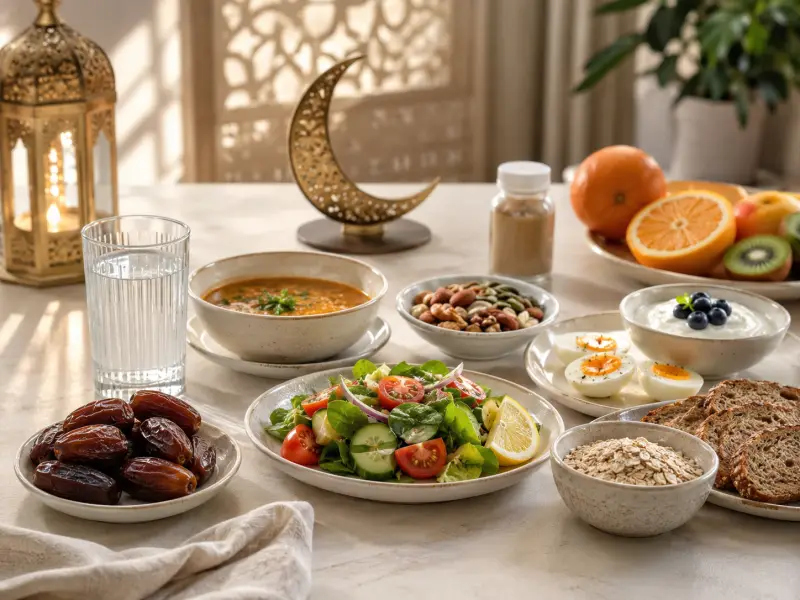
Ramadan is a special month that changes daily eating patterns, sleep routines, hydration habits, and meal timing. Since food and drink are limited to the hours between iftar and suhoor, many people start wondering about the role of vitamins during Ramadan and whether fasting increases the need for supplements.
The short answer is: fasting itself does not automatically cause vitamin deficiency. However, unbalanced meals, low food variety, dehydration, skipping suhoor, excessive sweets, and poor sleep can make it harder to meet daily nutrient needs. This is why Ramadan nutrition should focus on balanced meals first, while supplements may be considered only when there is a real need.
This guide explains how fasting may affect nutrient intake, the most important vitamins and minerals for fasting people, the best times to take vitamins during Ramadan, common nutrition mistakes, and how to choose supplements safely. For a stronger foundation, you can also read Vitaminati’s articles on what vitamins are and why the body needs them and the difference between vitamins and minerals.
How Fasting Affects Nutritional Needs
During Ramadan, eating is usually concentrated into two main meals: iftar after sunset and suhoor before dawn. This change can affect nutrient intake in several ways:
- Fewer meals are consumed during the day.
- Food variety may decrease if meals are repetitive.
- Hydration is limited to non-fasting hours.
- Sleep disruption may increase fatigue and food cravings.
- Large iftar meals may cause heaviness and reduce appetite for healthier foods later.
These changes are not harmful by themselves, but they can become a problem when meals are low in protein, fiber, fruits, vegetables, whole grains, and healthy fats. If nutrients are not replaced well between iftar and suhoor, some people may experience fatigue, headache, low concentration, constipation, or muscle cramps.
These symptoms can have many causes, including dehydration, sleep disruption, low calorie intake, caffeine withdrawal, or medical conditions. They do not always mean vitamin deficiency. However, nutrient gaps can contribute, especially when the diet is very limited.
Most Important Vitamins During Ramadan
B Vitamins for Energy and Nervous System Support
B vitamins help the body convert carbohydrates, proteins, and fats into usable energy. They also support nervous system function, red blood cell formation, and normal metabolism.
Important B vitamins include:
- Vitamin B1, or thiamine: supports energy metabolism.
- Vitamin B2, or riboflavin: helps the body use energy from food.
- Vitamin B3, or niacin: supports energy production and cell function.
- Vitamin B6: supports protein metabolism and nervous system function.
- Folate: supports cell division and red blood cell formation.
- Vitamin B12: supports nerve health and red blood cell formation.
During Ramadan, some people may eat fewer whole grains, legumes, eggs, dairy products, meat, or leafy greens, which can reduce intake of certain B vitamins. This is especially important for people who follow restrictive diets or have low appetite.
Food Sources of B Vitamins
- Eggs.
- Milk, yogurt, and cheese.
- Whole grains such as oats, brown rice, and whole wheat bread.
- Lentils, chickpeas, beans, and peas.
- Meat, poultry, and fish.
- Leafy green vegetables.
For deeper reading, see Vitaminati’s guide to B-complex vitamins.
Vitamin D During Ramadan
Vitamin D is important for calcium absorption, bone health, muscle function, and immune regulation. Many people have low vitamin D levels year-round, not only during Ramadan.
During Ramadan, vitamin D intake may be affected if people spend more daylight hours indoors, sleep later into the day, or eat few vitamin D-rich foods. Since natural food sources are limited, some people may need fortified foods or supplements depending on their levels and risk factors.
Food and Lifestyle Sources of Vitamin D
- Moderate sunlight exposure when appropriate and safe.
- Fatty fish such as salmon, sardines, and tuna.
- Egg yolks.
- Fortified milk or fortified plant-based alternatives.
- Vitamin D supplements when recommended.
Vitamin D is fat-soluble, so it is usually better absorbed with a meal that contains healthy fats. For many fasting people, this makes iftar or a balanced post-iftar meal a practical time to take it. You can read more in Vitaminati’s article on vitamin D during Ramadan.
Vitamin C During Ramadan
Vitamin C supports normal immune function, helps protect cells from oxidative stress, and improves the absorption of non-heme iron from plant foods such as lentils, beans, chickpeas, and spinach.
Ramadan meals may sometimes focus heavily on fried foods, desserts, and refined carbohydrates, leaving little space for fresh fruits and vegetables. This can reduce vitamin C intake.
Food Sources of Vitamin C
- Oranges, mandarins, and grapefruit.
- Kiwi and strawberries.
- Bell peppers.
- Tomatoes.
- Broccoli.
- Fresh salads with lemon juice.
A practical Ramadan tip is to add a vitamin C-rich food to either iftar or suhoor. For example, pair lentil soup with lemon, add bell pepper to salad, or eat fruit between iftar and suhoor.
Important Minerals During Ramadan
Minerals are just as important as vitamins during Ramadan. They support oxygen transport, muscle function, hydration balance, metabolism, and immunity.
Iron
Iron is needed to make hemoglobin, the protein that carries oxygen in the blood. Low iron levels may contribute to fatigue, weakness, pale skin, low stamina, or poor concentration, especially in women and people with low intake.
Iron-rich foods include:
- Red meat, poultry, and fish.
- Eggs.
- Lentils, chickpeas, beans, and fava beans.
- Iron-fortified cereals.
- Leafy greens served with vitamin C-rich foods.
Iron supplements should not be used without medical advice or confirmed need, because excess iron can be harmful.
Magnesium
Magnesium supports muscle and nerve function, energy metabolism, blood pressure regulation, and normal electrolyte balance. Low intake may contribute to fatigue or muscle cramps in some people, although these symptoms can also result from dehydration or sleep disruption.
Magnesium-rich foods include:
- Nuts and seeds.
- Whole grains.
- Legumes.
- Dark leafy greens.
- Dark chocolate in moderate amounts.
Suhoor is a good time to include magnesium-rich foods such as oats, nuts, seeds, yogurt, or whole grains.
Zinc
Zinc supports immune function, wound healing, metabolism, and normal growth. During Ramadan, zinc intake may decrease if meals lack protein foods, legumes, whole grains, and nuts.
Zinc-rich foods include:
- Meat and poultry.
- Fish and seafood.
- Legumes such as chickpeas, lentils, and beans.
- Nuts and seeds.
- Whole grains and fortified foods.
Long-term high-dose zinc supplements should not be used without guidance because excessive zinc can interfere with copper balance and cause side effects.
Food vs Supplements During Ramadan
The most important rule is simple: food first, supplements when needed. A balanced diet provides vitamins, minerals, fiber, protein, fluids, and many beneficial plant compounds that supplements cannot fully replace.
However, some people may struggle to meet needs during Ramadan, including:
- Older adults.
- People with poor appetite.
- People following restrictive diets.
- Pregnant or breastfeeding women.
- People with chronic diseases.
- People with digestive disorders or malabsorption.
- People with confirmed nutrient deficiencies.
In these cases, Ramadan supplements may be useful if they are chosen carefully, used at appropriate doses, and matched to the person’s real needs.
For more context, read Vitaminati’s article: Can you get all vitamins from food only?
Best Time to Take Vitamins During Ramadan
The best time depends on the type of vitamin or mineral and how it is absorbed. Some vitamins are water-soluble, while others are fat-soluble. To understand the difference, read Vitaminati’s article on how vitamins are absorbed in the body.
Vitamins and Minerals That May Fit Suhoor
- B vitamins: may be taken with suhoor or after iftar, especially if they cause stomach discomfort on an empty stomach.
- Magnesium: may fit suhoor or evening routines, depending on personal tolerance.
- Iron: should be taken only when recommended; it may be better absorbed away from tea, coffee, and calcium-rich foods.
A balanced suhoor with protein, fiber, slow-digesting carbohydrates, and fluids can help support energy during fasting hours.
Vitamins That May Fit Iftar
- Vitamin D: best taken with a meal containing healthy fats.
- Vitamins A, E, and K: fat-soluble vitamins that are better absorbed with fat-containing meals.
- Multivitamins: often better tolerated with a main meal, but the label should be followed.
For a full timing guide, read Vitaminati’s article on the best time to take vitamins.
Common Ramadan Nutrition Mistakes
1. Relying on One Large Meal
Eating a very large iftar in a short time can cause bloating, heaviness, reflux, and sleepiness. It may also reduce appetite for nutrient-rich foods later.
A better approach is to break the fast gradually with water, dates, soup, or a light starter, then continue with a balanced meal.
2. Eating Too Many Sweets and Fried Foods
Traditional sweets and fried foods can be enjoyed in moderation, but relying on them daily may reduce intake of protein, fiber, vitamins, and minerals. They may also contribute to energy crashes and post-iftar fatigue.
3. Skipping Fruits and Vegetables
Fruits and vegetables provide vitamin C, folate, potassium, fiber, antioxidants, and water. Skipping them can reduce dietary quality during Ramadan.
Try adding:
- A salad at iftar.
- Fruit between iftar and suhoor.
- Vegetable soup.
- Lemon juice on legumes or greens.
4. Using Supplements Without Understanding the Need
Taking supplements without knowing whether you need them can lead to little benefit, unnecessary cost, or side effects. This is especially important for fat-soluble vitamins, iron, zinc, and high-dose minerals.
How to Choose Safe Supplements During Ramadan
If you need a supplement during Ramadan, choose it carefully. The goal is to support nutrition, not replace meals.
- Choose reputable brands with clear labeling.
- Check the dose per serving, not only the front label.
- Avoid products that promise unrealistic results such as instant energy, detox, or guaranteed immunity.
- Do not combine several supplements that contain the same vitamin or mineral.
- Check whether the supplement should be taken with food.
- Ask a doctor or pharmacist if you have chronic disease, pregnancy, breastfeeding, kidney disease, liver disease, or regular medication use.
You can also read Vitaminati’s practical guide on how to read vitamin supplement labels.
Integrated Nutrition Tips for Fasting People
Build a Balanced Iftar
A balanced iftar should include:
- Water and hydrating foods.
- A source of protein such as eggs, fish, chicken, lean meat, yogurt, or legumes.
- Complex carbohydrates such as whole grains, potatoes, rice, or legumes.
- Vegetables or salad.
- Healthy fats such as olive oil, nuts, seeds, avocado, or fish.
Do Not Skip Suhoor
Suhoor helps support energy and hydration during the fasting day. A good suhoor may include:
- Oats with milk or yogurt.
- Eggs with whole grain bread.
- Labneh or cheese with vegetables.
- Lentils or beans.
- Fruit and water.
- Nuts or seeds in moderate amounts.
Hydrate Between Iftar and Suhoor
Drink water gradually between iftar and suhoor instead of drinking a large amount all at once. Soups, salads, fruit, and yogurt can also support hydration. Limit excessive caffeine, especially if it worsens thirst, sleep, or urination.
Choose Food Before Supplements
Vegetables, fruits, whole grains, legumes, nuts, seeds, dairy products or alternatives, eggs, fish, and lean proteins remain the best foundation for Ramadan nutrition.
When Should You Seek Medical Advice?
Most healthy adults can fast safely, but some people should seek medical or nutritional guidance before or during Ramadan, especially if they experience:
- Persistent fatigue or dizziness.
- Severe headache or dehydration symptoms.
- Loss of appetite or unintended weight loss.
- Chronic diseases such as diabetes, kidney disease, heart disease, or gastrointestinal disorders.
- Pregnancy or breastfeeding.
- Regular medication use that may need schedule adjustment.
- Known anemia or nutrient deficiency.
Supplements should be based on a real need, not used randomly, especially in sensitive groups.
FAQs About Vitamins During Ramadan
Do fasting people need supplements during Ramadan?
Not always. Many people can meet their needs with balanced iftar and suhoor meals. Supplements may be useful when there is poor intake, a restricted diet, confirmed deficiency, or medical advice.
What are the most important vitamins during Ramadan?
B vitamins, vitamin D, and vitamin C are commonly discussed because they support energy metabolism, bone and immune health, and antioxidant protection. Minerals such as iron, magnesium, and zinc are also important.
What is the best time to take vitamin D in Ramadan?
Vitamin D is fat-soluble, so it is usually best taken with iftar or another meal that contains healthy fats.
Can vitamin C reduce fatigue during fasting?
Vitamin C supports overall health and improves plant-based iron absorption, but fatigue during fasting may also be caused by dehydration, low sleep, caffeine withdrawal, low calorie intake, or medical issues.
Should iron be taken at suhoor or iftar?
Iron should only be taken when recommended. It is often better absorbed away from tea, coffee, and calcium-rich foods. Some people tolerate it better with food, so follow professional advice.
Are multivitamins useful in Ramadan?
A multivitamin may help people with limited food variety, but it is not a replacement for balanced meals. Avoid taking multiple products with overlapping nutrients.
Can supplements replace suhoor?
No. Supplements cannot replace a balanced suhoor that provides fluids, protein, fiber, carbohydrates, and minerals.
Conclusion
Paying attention to vitamins during Ramadan is an important part of maintaining energy, hydration, digestion, and overall health during fasting. However, the foundation is not a supplement bottle — it is balanced Ramadan nutrition.
Focus first on varied iftar and suhoor meals that include protein, whole grains, legumes, vegetables, fruits, healthy fats, and enough water. B vitamins, vitamin D, vitamin C, iron, magnesium, and zinc can all support fasting health when obtained in adequate amounts.
Supplements may be helpful for people with confirmed deficiencies, restricted diets, low appetite, chronic conditions, or special needs. They should be chosen carefully, used at appropriate doses, and discussed with a healthcare professional when needed.
With the right nutrition plan, Ramadan can be an opportunity to build healthier habits, improve food quality, and support the body without unnecessary stress.
Medical disclaimer: This article is for general educational purposes only and does not replace medical advice. People with chronic disease, pregnancy, breastfeeding, kidney disease, liver disease, anemia, nutrient deficiencies, or regular medication use should consult a healthcare professional before fasting or using supplements.
Scientific References
- WHO EMRO: Stay Healthy During Ramadan
- WHO EMRO: Eat Healthy Throughout All Your Life
- NIH Office of Dietary Supplements: Dietary Supplement Fact Sheets
- NIH Office of Dietary Supplements: Vitamin D Fact Sheet for Health Professionals
- NIH Office of Dietary Supplements: Vitamin C Fact Sheet for Health Professionals
- NIH Office of Dietary Supplements: Iron Fact Sheet for Health Professionals
- NIH Office of Dietary Supplements: Magnesium Fact Sheet for Health Professionals
- NIH Office of Dietary Supplements: Zinc Fact Sheet for Health Professionals