The difference between iron pills and iron injections & how to determine your needs
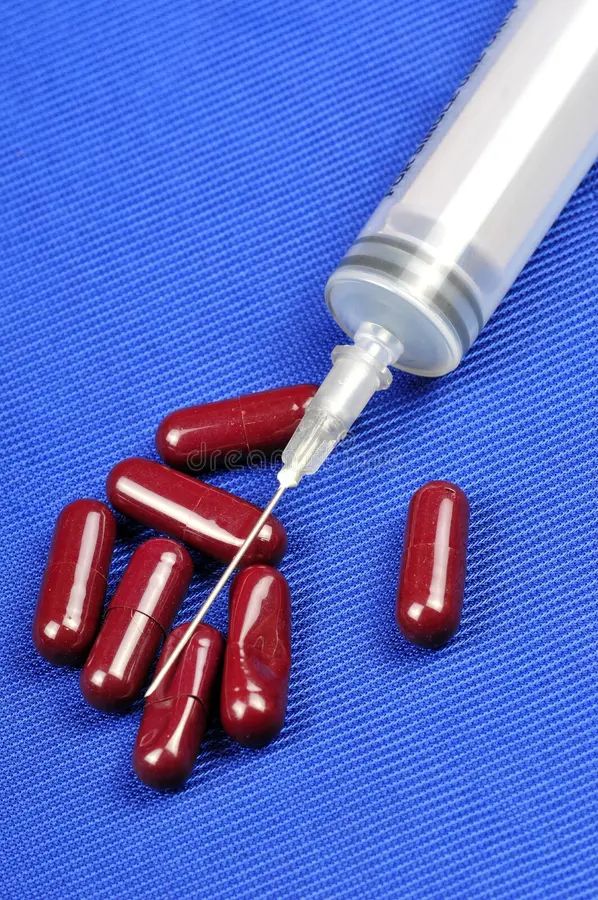
When treating iron deficiency or low iron stores, iron pills may be enough in some cases, while iron injections or iron infusions may be chosen in others. The difference between iron pills and iron injections is not only about speed. It also depends on the severity of the deficiency, lab results, how well the body absorbs iron, the reason behind the deficiency, and how well the person tolerates oral treatment.
The short practical answer is that iron pills are usually the first option when the deficiency is mild to moderate and the body absorbs them well. Iron injections may be considered when a person cannot tolerate pills, when iron stores do not improve despite using them correctly, when there is poor absorption, or when faster replacement is needed.
The Difference Between Iron Pills and Iron Injections
Iron pills are taken by mouth and absorbed gradually through the digestive system. Iron injections or iron infusions are usually given through a vein in a clinic or hospital, so they do not depend on stomach and intestinal absorption in the same way.
| Comparison | Iron pills | Iron injections or infusions |
|---|---|---|
| How they are used | By mouth | Usually by vein, and sometimes by muscle |
| Speed of replacement | Gradual | Faster in some cases |
| Dependence on absorption | Depends on the digestive system | Does not depend on intestinal absorption to the same degree |
| Medical supervision | Needs a prescription and follow-up | Given under direct medical supervision |
| Common side effects | Constipation, nausea, stomach pain | Injection-site pain, nausea, headache, rare allergic reactions |
| When they are used | Mild to moderate deficiency | Poor tolerance to pills, poor absorption, or a need for faster replacement |
Iron Pills or Iron Injections: Which Is Better for Your Case?
There is no single best option for everyone. The best choice is the one that fits your case based on lab results, the cause of iron deficiency, the severity of symptoms, and whether your body responds well to oral iron.
| Situation | Usually the more suitable option |
|---|---|
| Mild deficiency with good tolerance to pills | Iron pills |
| Moderate deficiency with a good response to pills | Iron pills with follow-up blood tests |
| Severe constipation or nausea with pills | The doctor may discuss changing the type or moving to injections |
| Ferritin does not rise despite correct pill use | The doctor may consider iron injections |
| Clear poor absorption | Iron injections may be the better option |
| Severe deficiency or need for faster replacement | The doctor may choose iron injections |
| Anemia not caused by iron deficiency | Neither pills nor injections are enough without knowing the true cause |
Do not choose iron injections only because they sound faster, and do not keep using pills if they are clearly not working. The best decision comes after reviewing the lab results and understanding why the deficiency happened.
When Might You Need Iron Injections?
You may need iron injections when iron pills are not suitable or are not giving the required result. Some signs of iron deficiency in the body that may lead a doctor to consider injections include severe ongoing fatigue with clearly low hemoglobin, especially when this does not improve with pills.
Situations that may make a doctor think about iron injections include:
- Not tolerating iron pills because of nausea, constipation, or significant stomach pain.
- No rise in iron or ferritin despite taking the pills correctly.
- A problem with iron absorption in the digestive system.
- Very low iron stores.
- Clear anemia that needs faster correction.
- Digestive diseases that reduce absorption.
- A need to raise iron before surgery in some cases.
- Some pregnancy or postpartum cases depending on the lab results.
- Some kidney disease or chronic illness cases.
The important question is not only, do I need iron injections, but also, why were iron pills not enough? Understanding the reason helps prevent the deficiency from returning after treatment.
When Are Iron Injections Not Suitable?
Iron injections are not always the answer. Sometimes the real reason for anemia is not iron deficiency at all. In that situation, understanding the difference between anemia and iron deficiency becomes essential, because anemia caused by vitamin B12 deficiency will not be corrected by iron injections.
Iron injections may not be suitable if:
- Iron deficiency has not been confirmed by tests.
- Anemia is due to low B12, low folate, or another cause, which may require checking tests such as vitamin B12 test.
- Iron is already high or iron storage is abnormal.
- There was a previous allergic reaction to a certain type of iron injection.
- The reason for low iron is ongoing bleeding that has not been evaluated.
- The case can still be treated effectively with pills and proper follow-up.
Iron Injections to Raise Iron Stores: When Are They Useful?
Iron injections can be useful for rebuilding iron stores when the ferritin blood test is very low, when ferritin does not rise after using pills correctly, or when the doctor thinks faster replacement is needed.
| Situation | Why the doctor may consider injections |
|---|---|
| Ferritin is very low | Because the body’s iron stores need more direct replacement |
| Pills do not raise iron stores | There may be poor absorption or ongoing iron loss |
| Pill side effects are too difficult | Injections may be a practical alternative |
| There is a need for faster replacement | Such as before surgery or after blood loss in some cases |
| Digestive system problems | The body may not benefit enough from oral iron |
Do Iron Injections Raise Ferritin Faster Than Pills?
Iron injections may help raise ferritin faster in some cases because they do not go through the digestive absorption step. Still, the speed of improvement depends on:
- The severity of deficiency.
- The type of iron injection used.
- The dose chosen by the doctor.
- The reason behind the deficiency.
- Whether there is ongoing bleeding or continuous iron loss.
- How well the body uses iron after treatment.
If the underlying cause continues, such as heavy periods or gastrointestinal bleeding, ferritin may fall again even after injections. That is why treatment is not only about raising ferritin, but also about understanding why it became low.
Why Did Iron Not Rise Despite Taking Iron Pills?
If iron or ferritin did not rise despite taking iron pills, the reason may be the way the pills are being used or a health issue that needs evaluation.
| Possible reason | Explanation |
|---|---|
| Incorrect use | Taking pills with tea, coffee, or milk may reduce absorption |
| Interaction with calcium or antacids | It is usually better to separate them in time |
| Not using them for long enough | Ferritin usually takes longer to improve than hemoglobin |
| Poor iron absorption | This may happen with celiac disease, Crohn’s disease, or other digestive problems |
| Ongoing iron loss | Such as heavy periods or undiagnosed bleeding |
| A dose or type that does not suit the case | The doctor may need to adjust the treatment plan |
For more detail about causes of poor iron absorption and how to improve it, you can review the dedicated guide. To make sure oral iron is being used in the best way, it also helps to read the best time to take iron pills.
The Difference Between IV Iron and IM Iron Injections
Iron injections may be given through a vein or into a muscle, but intravenous iron is the form most commonly used in modern medical practice.
| Type | Description | Notes |
|---|---|---|
| IV iron | Given into a vein in a medical setting under supervision | Common, often faster, and requires observation |
| IM iron | Given into a muscle | Less common and may be more painful or cause local skin staining |
| Intravenous iron infusion | Iron is given through a vein over a longer period | The doctor decides the type and amount |
Do not take iron injections at home or without medical supervision. An injection can trigger an allergic reaction or side effects that need immediate follow-up.
Common Types and Names of IV Iron Injections
When people search for types of iron injections or brand names, several names may appear depending on the country, the manufacturer, and the active ingredient.
| Active ingredient or name | Note |
|---|---|
| Iron Sucrose | One of the most commonly used intravenous iron types |
| Ferric Carboxymaltose (Ferinject) | May be given as one larger dose or in fewer sessions in some cases |
| Iron Dextran | An older type that requires more caution in people with an allergy history |
| Ferric Derisomaltose | A newer option in some markets |
| Venofer | A common brand name for Iron Sucrose |
| Ferosac | A trade name used in some markets |
These names are listed for explanation only and are not a recommendation to use one specific type. The best iron injection is not chosen from the internet. It is chosen by the doctor based on your case.
Side Effects of IV Iron: What Can Happen?
Side effects of iron injections vary from person to person. They may be mild and temporary in some people, while in others they may need medical attention.
| Possible symptom | When to contact a doctor |
|---|---|
| Pain or discomfort at the injection site | If it is severe or comes with swelling or a change in skin color |
| Nausea after iron injection | If it is severe or ongoing |
| Headache or dizziness | If it is sudden or severe |
| Temporary fatigue after the injection | If it continues beyond one or two days |
| Pain in the hand or arm | If it comes with swelling, burning, or discoloration |
| Rash or itching | The medical staff should be told immediately |
| Allergic reaction to iron | Trouble breathing, swelling of the face or lips, or severe dizziness are emergencies |
Seek urgent medical care if there is trouble breathing, swelling of the face or lips, chest pain, or a sudden worsening after the injection.
Iron Injections in Pregnancy: When Might They Be Needed?
A pregnant woman may need iron injections in selected situations and only by medical decision. A doctor may think about iron injections in pregnancy if:
- The deficiency is clearly shown in blood tests.
- Iron pills are not tolerated because of nausea or pregnancy-related stomach upset.
- Iron levels did not improve enough after a suitable trial of pills.
- Faster replacement is needed before delivery.
Names such as Ferinject or Venofer may appear when people search for iron injections in pregnancy, but the type should never be chosen based on the name alone. The doctor decides the type and timing according to the stage of pregnancy, the lab results, the severity of anemia, allergy history, and the overall condition.
Do not use iron injections during pregnancy without a prescription. The doctor is the only proper reference for the right dose and the right type.
Do Iron Injections Cause Weight Gain or Help Hair?
Do iron injections cause weight gain?
No. Iron injections do not directly cause weight gain. Energy and activity may improve after treating deficiency, and appetite may improve in some people, but iron itself is not a treatment for gaining weight.
Can iron injections help hair?
Iron injections may help hair shedding indirectly if the real cause is low iron or low ferritin and this has been confirmed by tests. If hair loss is caused by hormones, low levels of other vitamins, stress, or genetic causes, iron injections alone will not solve it.
Can You Take Iron Injections Without Blood Tests?
No. Iron injections are not a simple supplement to use randomly. Too much iron in the body can be harmful, and injections can cause side effects that need medical follow-up. Before using iron injections, the doctor usually needs:
- Hemoglobin level.
- Ferritin level.
- Other iron markers.
- The cause of the deficiency.
- Medical history.
- Whether pregnancy or chronic illness is present.
- Any history of allergic reactions.
Frequently Asked Questions
What is the difference between iron pills and iron injections?
Iron pills are taken by mouth and depend on absorption from the digestive system, while iron injections or infusions are usually given by vein in a medical setting and replace iron without relying on digestive absorption to the same degree.
When do I need iron injections?
You may need iron injections if you cannot tolerate pills, if iron stores do not improve despite taking them correctly, if there is poor absorption, or if the deficiency is severe enough to need faster replacement based on medical evaluation and blood tests.
Do iron injections raise ferritin faster than pills?
They may raise ferritin faster in some cases because they do not go through digestive absorption, but the speed of improvement depends on the severity of deficiency, the type of iron injection, the cause of deficiency, and whether there is ongoing iron loss.
What are the side effects of IV iron?
IV iron side effects may include nausea, headache, dizziness, pain at the injection site or hand, and temporary fatigue. In rare cases, an allergic reaction may happen, which is why iron is given in a properly equipped medical setting.
What is the difference between IV iron and IM iron injections?
Intravenous iron is given inside a vein and is the form used most often today. Intramuscular iron is less common because it can be more painful and may stain the skin. The doctor chooses the more suitable option based on the case.
What are common names of IV iron injections?
Common IV iron names include Iron Sucrose, Ferric Carboxymaltose (Ferinject), Iron Dextran, Ferric Derisomaltose, and Venofer. Brand names vary by country, and the doctor chooses the most suitable type.
Are iron injections safe in pregnancy?
Iron injections may be used in pregnancy in selected cases under medical supervision, especially when the deficiency is clear or when pills are not tolerated. They should never be used randomly or chosen without a prescription.
Can I take iron injections without a blood test?
No. Iron injections are not a simple supplement and should not be used without tests or a prescription. Excess iron can be harmful, and injections can cause side effects that need medical follow-up.
Conclusion
The difference between iron pills and iron injections depends on how they are used, how quickly they may replace iron, and why the deficiency happened. Iron pills may be enough in many cases when the deficiency is mild to moderate and the body absorbs them well. Iron injections may be the better option when pills do not work, are not tolerated, or when there is poor absorption or a need for faster replacement.
Do not decide between pills and injections based on other people’s experiences. The right decision depends on tests such as CBC, ferritin, and hemoglobin. Alongside treatment, iron-rich foods also play a supportive role in maintaining better levels over time. For more about minerals and their role in the body, you can visit the dedicated section.
This article is for health education only and does not replace medical advice. Do not use iron injections without a prescription or proper blood tests.