The Importance of Pap Smear Tests and Regular Check-ups for Sexual Health
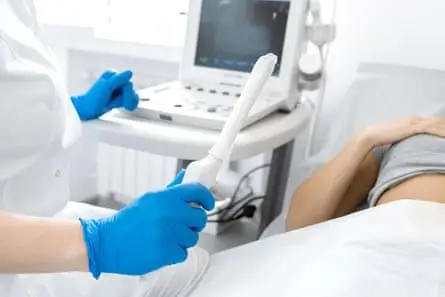
Why Are Pap Smears and Routine Sexual Health Screenings Important?
Routine screenings can identify certain health problems before symptoms appear, and cervical cancer screening is one of the most important preventive measures for women. Depending on age, medical history, and local guidelines, cervical screening may involve a Pap test, a human papillomavirus (HPV) test, or a combination of both.
It is important, however, to distinguish cervical cancer screening from testing for sexually transmitted infections (STIs). A Pap test does not screen for chlamydia, gonorrhea, or HIV. These infections require their own specific tests. All of these services form part of the broader picture of sexual and reproductive health.
Key Takeaways
- A Pap test looks for abnormal changes in the cells of the cervix.
- An HPV test looks for high-risk types of human papillomavirus associated with cervical cancer.
- A positive HPV result does not mean that you have cervical cancer.
- There is no single screening schedule that is appropriate for every woman; timing depends on age, test type, medical history, risk factors, and local guidelines.
- Regular cervical screening can identify precancerous changes before they develop into cancer.
- A Pap test is not a comprehensive test for sexually transmitted infections.
- Women who have received the HPV vaccine should still follow the cervical screening schedule recommended for them.
What Is a Pap Smear?
A Pap smear, also called a Pap test, is a screening procedure in which a small sample of cells is collected from the cervix. These cells are examined in a laboratory for abnormal changes that may represent precancerous changes or other abnormalities.
The main purpose of a Pap test is screening, not making a definitive diagnosis of cervical cancer. If abnormal cells are found, additional testing may be needed to determine what they mean.
A Pap sample may occasionally show signs of inflammation or infection, but the test is not designed to provide comprehensive screening for vaginal infections or sexually transmitted infections.
What Is the Difference Between a Pap Test and an HPV Test?
Although the samples may be collected in a similar way, the two tests look for different things:
- Pap test: looks for abnormal changes in cervical cells.
- HPV test: looks for high-risk types of human papillomavirus that can lead to changes in cervical cells.
- Co-testing: combines an HPV test and a Pap test during the same screening.
High-risk HPV testing has become increasingly important in cervical cancer screening because persistent infection with certain HPV types is responsible for most cases of cervical cancer.
Why Is Cervical Cancer Screening Important?
1. It Can Detect Changes Before They Become Cancer
Precancerous changes in cervical cells usually do not cause noticeable symptoms. Screening can identify these changes early so they can be monitored or treated when necessary before they progress to cervical cancer.
2. It Can Detect High-Risk HPV
Most HPV infections clear naturally without causing long-term problems. However, persistent infection with certain high-risk HPV types can gradually lead to abnormal changes in cervical cells.
A positive HPV result therefore does not mean that cancer is present. It means that appropriate follow-up is important to determine whether further testing is needed.
3. It Helps Prevent Cervical Cancer
The major benefit of cervical screening is not simply finding cancer at an earlier stage. Screening can detect precancerous changes and allow them to be managed before they have an opportunity to progress to cancer.
When Should You Have a Pap Test or HPV Test?
There is no single cervical screening schedule used worldwide. Recommendations vary between countries and health systems and may depend on the screening test available, medical history, and individual risk factors.
The World Health Organization increasingly recommends high-performance HPV testing as the primary screening method within cervical cancer prevention programs. In many HPV-based screening programs, routine screening for women at average risk begins around age 30, with repeat testing at intervals determined by national guidelines.
In the United States, commonly used recommendations for women at average risk include:
- Ages 21 to 29: cervical cytology, or a Pap test, is generally performed every 3 years.
- Ages 30 to 65: primary high-risk HPV testing every 5 years is preferred in updated recommendations. Other accepted options may include HPV and Pap co-testing every 5 years or a Pap test alone every 3 years when appropriate HPV testing is not available.
These examples do not mean that every country follows the same schedule. The most appropriate approach is to follow your national screening program or your healthcare professional's recommendation based on your age and medical history.
Who May Need a Different Cervical Screening Schedule?
Some women may need screening that starts earlier, occurs more frequently, or continues beyond the usual age range. This may include women who:
- Have a history of significant precancerous cervical changes or cervical cancer.
- Are living with HIV.
- Have a weakened or suppressed immune system.
- Have previously received treatment for high-grade cervical changes.
- Have undergone a hysterectomy, depending on whether the cervix was removed, why the surgery was performed, and their previous cervical screening history.
Age alone should therefore not be used to determine whether cervical screening is still needed.
What Happens During a Pap Test?
Collecting the sample usually takes only a few minutes.
- You lie on an examination table.
- A healthcare professional gently inserts a speculum into the vagina so that the cervix can be seen.
- A small sample of cells is collected from the cervix using a soft brush or another sampling device.
- The sample is sent to a laboratory for analysis.
Some women experience brief pressure or mild discomfort during the procedure. If the examination is painful, tell your healthcare professional rather than assuming that significant pain is something you have to tolerate.
The time required to receive results varies depending on the laboratory and healthcare system.
What Does an Abnormal Result Mean?
An abnormal Pap test does not automatically mean that you have cervical cancer. Similarly, a positive HPV test does not mean that cancer is present.
The next step depends on factors such as your age, the type of cervical cell changes found, the HPV type detected, and previous screening results. Follow-up may include:
- Repeating the test after a specified period.
- Additional HPV testing or HPV genotyping.
- A colposcopy to examine the cervix more closely.
- A small biopsy if needed.
The most important step is to follow the recommended follow-up plan rather than ignoring an abnormal result.
Does the HPV Vaccine Replace Cervical Screening?
No. HPV vaccination substantially reduces the risk of infection with HPV types responsible for many cervical cancers, but it does not protect against every cancer-associated HPV type.
Women who have received the HPV vaccine should therefore continue cervical cancer screening according to the schedule recommended for their age and risk level.
Does a Pap Test Detect Sexually Transmitted Infections?
No. A Pap test is not an STI screening test. Infections such as chlamydia, gonorrhea, syphilis, and HIV require specific tests.
A healthcare professional may sometimes collect samples for cervical screening and STI testing during the same appointment, but that does not mean the Pap test itself detects those infections.
When Should You Be Tested for Sexually Transmitted Infections?
There is no rule stating that every sexually active person requires the same group of STI tests every year. The appropriate tests and screening frequency depend on factors such as:
- Age.
- Having a new sexual partner or multiple partners.
- Use of barrier protection such as condoms.
- A previous sexually transmitted infection.
- Pregnancy.
- Symptoms such as unusual discharge, sores, burning, or pelvic pain.
- Local screening recommendations.
Some STI symptoms overlap with other vaginal conditions. Understanding common vaginal health problems and their symptoms can help you recognize when changes should be professionally evaluated rather than self-diagnosed.
What Can a Routine Sexual and Reproductive Health Visit Include?
A routine appointment does not mean that every possible test needs to be performed at each visit. The appropriate examinations and discussions depend on your age, symptoms, medical history, and individual needs.
Contraception Counseling
A healthcare professional can discuss contraceptive effectiveness, possible side effects, medical history, lifestyle factors, and future pregnancy plans to help identify an appropriate birth control option.
Menstrual and Hormonal Health
Irregular periods, unusual bleeding, or severe menstrual pain may need further evaluation. Possible causes include ovulation disorders, polycystic ovary syndrome (PCOS), and other gynecological or hormonal conditions.
Fertility and Pregnancy Planning
Cervical cancer screening does not measure fertility. However, a routine gynecological visit can be an opportunity to discuss menstrual cycles, ovulation, reproductive history, and pregnancy planning.
If pregnancy is being planned, Vitaminati's ovulation calculator can help estimate the fertile window based on menstrual-cycle information. It provides estimates and does not replace medical fertility assessment.
Women who are concerned about fertility may also benefit from understanding the nutritional and reproductive factors discussed in our guide to female fertility, ovarian health, and PCOS.
Menopause-Related Symptoms
As women approach menopause, routine visits can also provide an opportunity to discuss vaginal dryness, pain during sex, urinary symptoms, sleep changes, and changes in sexual desire. These symptoms are common but can often be evaluated and managed rather than simply tolerated.
When Should You See a Doctor Without Waiting for Your Next Screening?
Routine cervical screening is primarily intended for people who do not have symptoms. New or unusual symptoms should be evaluated rather than waiting until the next Pap or HPV screening appointment.
Speak with a healthcare professional if you experience:
- Bleeding after sex.
- Bleeding between periods.
- Any vaginal bleeding after menopause.
- Persistent or unusual vaginal discharge.
- Persistent pelvic pain.
- Pain during sex.
- New sores, lesions, or other changes in the genital area.
Common Myths About Pap Tests
Myth: I Do Not Need Screening If I Have No Symptoms
Fact: This is precisely why cervical screening is important. Precancerous cervical changes usually do not cause noticeable symptoms.
Myth: A Positive HPV Test Means I Have Cancer
Fact: HPV infections are very common, and most clear naturally. A positive test means appropriate monitoring or additional testing may be needed; it is not a cancer diagnosis.
Myth: A Pap Test Screens for All Sexually Transmitted Infections
Fact: A Pap test is primarily designed to detect abnormal cervical cells. Chlamydia, gonorrhea, syphilis, HIV, and other infections require their own tests.
Myth: I Do Not Need Screening After Receiving the HPV Vaccine
Fact: HPV vaccination substantially reduces risk but does not protect against every high-risk HPV type. Routine cervical screening remains important.
Myth: I Need a Pap Test Every Year
Fact: Annual cervical screening is not recommended for most women at average risk. The interval depends on age, the screening method used, medical history, and local guidelines.
Myth: One Normal Pap Test Means I Never Need Another One
Fact: HPV infection and cervical cell changes can occur later. Screening should therefore continue at the recommended intervals.
Frequently Asked Questions
Is a Pap Test Painful?
A Pap test may cause brief pressure or mild discomfort, but it usually takes only a few minutes. Significant pain should not simply be ignored, and you can ask your healthcare professional to stop or adjust the examination if necessary.
Can You Have a Pap Test During Your Period?
Screening may still be possible in some situations, but heavy menstrual bleeding can interfere with the quality of the sample. If your appointment falls during your period, contact the clinic to ask whether the test should proceed or be rescheduled.
Do I Still Need Cervical Screening After the HPV Vaccine?
Yes. HPV vaccines do not protect against every HPV type associated with cervical cancer, so routine cervical screening remains important according to current recommendations.
Does a Positive HPV Test Mean the Infection Is Recent?
Not necessarily. HPV can remain undetected or inactive for a long period, and a positive result cannot reliably determine when the infection was acquired.
Can a Pap Test Detect Ovarian Cancer?
No. A Pap test examines cells from the cervix and is not a screening test for ovarian cancer or endometrial cancer.
Does an Annual Gynecological Visit Mean I Need a Pap Test Every Year?
No. A routine women's health visit may still be useful for discussing menstrual health, contraception, sexual health, pregnancy planning, menopause, and new symptoms. Cervical screening itself is performed according to the recommended schedule rather than automatically at every annual visit.
Conclusion
Pap tests and HPV testing are important tools for preventing cervical cancer and identifying early cervical changes before they progress. However, the two tests are not identical, and neither replaces STI screening or other aspects of women's sexual and reproductive healthcare.
The appropriate screening method and interval depend on age, test type, medical history, risk factors, and local recommendations. Knowing when screening is due, following up on abnormal results, and seeking medical attention for new symptoms are among the most important steps you can take to protect cervical, sexual, and reproductive health.
References
- World Health Organization — Screening for Cervical Cancer
- National Cancer Institute — Cervical Cancer Screening
- Women’s Preventive Services Initiative — Cervical Cancer Screening Recommendations
Disclaimer: This article is for general educational purposes and does not replace medical advice. Cervical cancer screening recommendations vary according to age, medical history, country, risk factors, and the type of screening available. Follow your local screening guidelines and your healthcare professional's recommendations.