The Metabolic Face of Polycystic Ovary Syndrome: The New Scientific Name and the Integrated Nutrition Plan for Hormonal Control
1. What Is Polycystic Ovary Syndrome (PCOS), and What Happens Behind the Scenes Inside Your Body!?
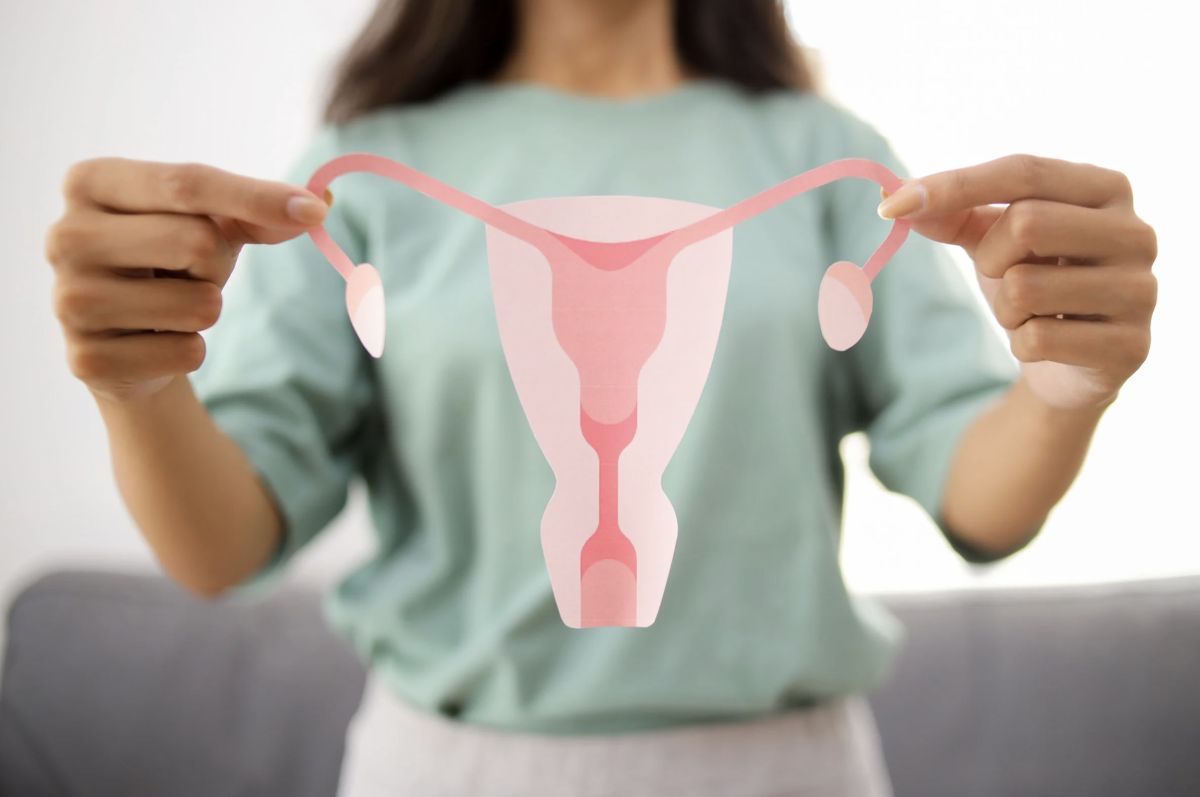
Polycystic ovary syndrome (PCOS) is not merely a passing symptom. It is a common hormonal and metabolic disorder that accompanies women from the reproductive years through the later stages of life.
It occurs when the body’s systems receive inaccurate hormonal signals, leading to an increase in male hormones (androgens) above their normal level. This imbalance does not affect only the ovaries. Instead, it creates a “chain effect” throughout all body functions:
- Changes in the menstrual cycle: Irregularity, infrequency, or suffering from heavy bleeding and severe pain.
- Absent or weak ovulation: This makes it one of the most prominent causes of difficulty becoming pregnant and delayed conception.
- Visible signs: Such as excess hair appearing on the face and body, scalp hair loss (female-pattern baldness), oily skin, and chronic acne.
- Future risks: Irregular menstruation may increase the risk of endometrial hyperplasia or endometrial cancer if it is left without follow-up.
2. From the Ovary to Metabolism: The New Name (PMOS) That Changes the Rules of Treatment
Contrary to what its old name suggests, modern medicine has revealed that the ovaries are not the main cause. Rather, they are merely a “victim” of a deeper defect in the depths of metabolism. For this reason, many scientists today are calling for it to be renamed with more accurate terms, such as “Polyendocrine Metabolic Ovarian Syndrome” (PMOS).
This syndrome is considered a chronic metabolic condition associated with:
- Insulin resistance: The body loses its efficiency in dealing with sugar.
- The long-term risk of obesity and type 2 diabetes.
- Fertility disorders.
- Skin and hair problems.
- Psychological effects, depression, and anxiety.
Although there is no definitive treatment that eliminates it completely, the good news is that controlling lifestyle, smart nutrition, and supplements can restore hormonal balance, reduce symptoms, and noticeably increase fertility rates.
3. Signs You Should Not Ignore, Signs You Should Not Ignore: How Does Your Body Tell You That You Have Polycystic Ovary Syndrome?
The symptoms of polycystic ovary syndrome differ from one woman to another and may even change in the same person from one stage to another. These signs range from visible daily symptoms to health risks, most of which are linked to metabolism over the long term:
Primary Symptoms (The First Warning Messages)
- Menstrual cycle disruption: Irregular or widely spaced cycles, or their complete absence. In some cases, they are heavy and accompanied by severe pain.
- Difficulty becoming pregnant or infertility.
- Skin and hair changes: Excess hair appearing in unusual places, such as the face and body, or scalp hair loss (female-pattern baldness), in addition to acne and oily skin.
Metabolic Effects and Complications (Beyond the Visible Symptoms)
Women with polycystic ovary syndrome are more likely than others to develop other health conditions, including:
- Gestational diabetes or high blood pressure during pregnancy.
- Weight gain, especially around the abdomen.
- Type 2 diabetes.
- High blood pressure.
- High cholesterol levels.
- Cardiovascular diseases.
- Obesity.
- Sleep apnea.
- Metabolic fatty liver inflammation.
- Endometrial hyperplasia or endometrial cancer.
Your Recovery Journey Begins With Your Awareness, Not Your Fear!
Seeing all these symptoms may seem confusing, but be reassured. These signs are only a “warning message” from your body asking you to reorganize your lifestyle. In the following lines, we will learn how nutrition can become your strongest weapon for controlling your hormones and restoring your well-being.
4. Decoding the Problem: Why Does Hormonal Balance Become Disrupted Inside Your Body?
The exact cause of polycystic ovary syndrome is unknown. However, several causes may play a role, including:
- Insulin resistance: When you have polycystic ovary syndrome, your body may not respond well to insulin, a hormone produced by the pancreas that allows cells to use sugar, the body’s main source of energy. If the cells do not respond to insulin in the usual way, blood sugar levels rise. The body then produces more insulin in an attempt to lower blood sugar levels.
- Genes: Some research suggests that certain genes may be linked to polycystic ovary syndrome. Having a family history of polycystic ovary syndrome may mean that you are more likely to develop it.
- Excess androgen activity: When you have polycystic ovary syndrome, the body may produce too many androgen hormones, which are present at higher levels in males. You may also have normal androgen levels, but the hormones may be more active. This may cause male-pattern hair growth and some types of pimples. As a result, ovulation may not always occur. This means that the eggs do not grow regularly and do not leave the follicles in which they grow.
5. A Guide to Treating Polycystic Ovary Syndrome: How Do You Restore Hormonal Balance to Your Body?
Although there is no “magic medicine” that ends PCOS completely, the good news is that controlling it and restoring your hormonal balance is very possible. The treatment plan depends on two parallel paths: changing lifestyle and nutrition, which is the first and strongest path, alongside appropriate medications and supplements.
Lifestyle and Nutrition Changes Are Considered the First and Strongest Line of Defence in Treatment
Lifestyle change is considered the first line of defence in dealing with cases of polycystic ovary syndrome in women, although it does not replace medication treatment. Regular physical activity, maintaining an appropriate body weight, following healthy dietary patterns, and avoiding tobacco use are highly important for preventing and treating metabolic disorders. They are also included in clinical guidelines for multiple health conditions.
To help manage polycystic ovary syndrome, the following is recommended:
- Maintaining a healthy weight: Weight loss is recommended for women with polycystic ovary syndrome who are overweight or obese through a low-calorie diet and regular exercise. Losing a small amount of weight, for example 5% of body weight, can improve the symptoms of polycystic ovary syndrome and reduce the risk of other health problems. Exercise can also lower blood sugar levels by improving how insulin works in the body, lower androgen levels, and help with ovulation, leading to a regular menstrual cycle.
- Following a diet, especially low-calorie diets and diets with a low glycemic index (Low GI): When it comes to managing polycystic ovary syndrome (PCOS), the “quality” and “quantity” of food play the greatest role in restoring balance to the body’s hormones and metabolic system. Modern research reveals crucial details about how to follow the diet as an effective treatment through the following:
1. Reducing Calories and Choosing Foods With a Low Glycemic Index (Low GI)
Changing the proportions of protein, fat, and carbohydrates alone does not make the major difference. Rather, reducing calories and choosing foods with a low glycemic index is the main secret.
Foods with a low glycemic index are digested and absorbed slowly, so their effect on raising blood sugar is lower. Their amazing benefits include:
- Reducing insulin resistance (HOMA-IR) and fasting insulin levels in the blood.
- Reducing harmful cholesterol (LDL), triglycerides, and waist circumference.
- Reducing total testosterone levels, the male hormone.
- Appetite control: This system helps regulate hunger and satiety hormones, as it reduces the hunger hormone ghrelin and increases the hormone glucagon.
Examples of Foods With a Low Glycemic Index
| Complex Grains and Starches | Fruits (Low GI) | Vegetables (Low GI) | Legumes (Low GI) | Snacks |
|---|---|---|---|---|
| Oats | Apples | Broccoli, cauliflower, and cabbage | Lentils (red and brown) | Peanuts |
| Barley and corn | Strawberries and kiwi | Lettuce and spinach | Chickpeas | Walnuts |
| Bran | Peaches and apricots | Mushrooms | Beans (white and red) | Cashews |
| Quinoa | Oranges and lemons | Eggplant and bell peppers | Soybeans | Yogurt |
| Bulgur | Cherries | Tomatoes and cucumbers | Almonds |
2. Eating Beneficial Fats and Staying Away From Saturated Fats
The results showed that combining a low-glycemic-index diet (LGI), calorie restriction, and physical activity, alongside taking omega-3 supplements, effectively contributes to raising beneficial cholesterol (HDL) levels, stimulating the production of sex hormone-binding globulin (SHBG), and reducing the percentage of body fat. On the other hand, a study proved that eating saturated fats (SFA) triggers inflammatory reactions by increasing tumour necrosis factor alpha (TNF-α) levels. This imposes the need to completely exclude saturated fats from the diets of these patients. In contrast, flaxseed oil, which is rich in alpha-linolenic acid, showed a tangible positive effect in reducing the symptoms of polycystic ovary syndrome.
3. The Danger of High Fructose
Consuming large amounts of fructose aggravates hormonal disorders in a multiplied way without a direct effect on metabolism, which worsens the hormonal symptoms of the condition.
4. Eating Soluble and Fermentable Dietary Fibre
It gives beneficial gut bacteria important metabolic benefits that result in the release of short-chain fatty acids (SCFAs), which are remarkable in improving metabolism and reducing inflammation in the body.
6. Exercise: The Golden Ally of the Diet During the Recovery Journey From Polycystic Ovary Syndrome
- Exercise has become recognised as having an essential role in treating polycystic ovary syndrome, as it directly contributes to improving the cells’ response to insulin and the transport and use of glucose in the body.
- Modern studies confirm that exercise intensity is the most important factor in change. Moderate- to high-intensity exercise (Vigorous Exercise) achieves the greatest benefit for heart fitness, reduces insulin resistance (HOMA-IR), and lowers body mass index (BMI). It is also recommended to combine strong aerobic exercises, such as running and swimming, with resistance exercises, such as weights, to improve male hormone and insulin levels, provided that aerobic activity is practised for no less than 120 minutes per week.
7. Sleep: The Missing Link in Treating Polycystic Ovary Syndrome
Mental health disorders are common among women with polycystic ovary syndrome (PCOS), as rates of anxiety and depression rise and are often accompanied by sleep problems. Studies indicate that sleep disorders do not only affect the psychological condition, but may also contribute to increasing the severity of anxiety and depression, making improving sleep quality an essential part of the treatment plan for polycystic ovary syndrome. Sleep deprivation is also linked to an increased risk of insulin resistance, obesity, and type 2 diabetes. This effect is believed to occur as a result of several factors, including autonomic nervous system dysfunction, an imbalance in appetite hormones such as ghrelin and leptin, in addition to increased inflammation in the body.
Studies have shown that repeated sleep disturbance may lead to a defect in the protective intestinal barrier, increasing its permeability and allowing some bacterial substances to pass into the bloodstream. This stimulates chronic inflammation and worsens insulin resistance. Research also indicates that changes in the gut microbiome may play an important role in this process, opening the way for therapeutic strategies aimed at improving gut health.
On the other hand, melatonin, the hormone secreted by the pineal gland to regulate the sleep-wake cycle, is an important element in ovarian health. Lower levels have been observed in the fluid surrounding the eggs in women with polycystic ovary syndrome. Melatonin helps regulate the secretion of sex hormones during the stages of egg maturation. It is also characterised by its strong antioxidant properties, which protect ovarian cells from oxidative stress and support healthy egg growth. Therefore, improving sleep quality does not only affect mental health, but may also contribute to improving hormonal balance and metabolic health in general.
8. Magical Boosters: Nutritional Supplements That Restore Hormonal Balance to Your Body
After you have adjusted the rhythm of your plate, sleep, and movement, the role of the magical supporter comes next. Nutritional supplements are not a substitute for healthy eating, but they play the role of an “accelerator” in multiplying the results of your nutrition plan and regulating insulin.
| Nutritional Supplements | Main Role |
|---|---|
| 1. Inositol, especially Myo-Inositol | It is known as the “magic supplement” for PCOS because it restores the cells’ sensitivity to insulin, which reduces blood sugar levels and helps regulate the menstrual cycle and improve egg quality. |
| 2. Vitamin D | Most women with PCOS suffer from a deficiency of this vitamin. Vitamin D helps regulate hormonal growth, improve fertility, reduce symptoms of depression, and reduce insulin resistance. |
| 3. Omega-3 | It acts as a powerful anti-inflammatory inside the body and helps reduce harmful cholesterol levels, in addition to lowering levels of the male hormone testosterone. |
| 4. Zinc and Selenium | They support the immune system and help reduce insulin resistance and the symptoms associated with elevated male hormones, such as hair loss or acne. |
| 5. Coenzyme Q10 (CoQ10) | It enhances energy production inside the cells and supports egg quality, especially for those planning pregnancy. |
In Conclusion, Always Remember
Your journey with polycystic ovary syndrome begins with understanding the secrets of your body and dealing with it with awareness and love. Do not hesitate to make balanced nutrition and exercise a way of life, and consult a nutrition specialist and a specialised doctor to develop the plan that is most suitable for you.
Share with us in the comments: What is the first healthy step that you will apply starting today to care for your hormonal health? Do not forget to share the article with your friends so that the benefit can spread.
Frequently Asked Questions
1. Is Polycystic Ovary Syndrome Merely a Problem in the Ovary?
No. According to the modern medical concept and terminology, polycystic ovary syndrome is a comprehensive metabolic and hormonal disorder that affects the entire body. The cysts on the ovary are merely a symptom and result of this imbalance, not the main cause.
2. Should I Completely Eliminate Carbohydrates to Reduce PCOS Symptoms?
There is no need for complete elimination. The secret lies in choosing complex carbohydrates with a low glycemic index, such as oats, quinoa, and bulgur, and controlling portion size instead of deprivation.
3. What Is the Role of Sleep in Dealing With Polycystic Ovary Syndrome?
Regular sleep stimulates the release of melatonin, which protects cells and supports egg maturation, while sleep deprivation reduces gut health and increases insulin resistance and inflammation in the body.
Written by: Clinical Nutrition Specialist / Mai Kamel Abdelnabi