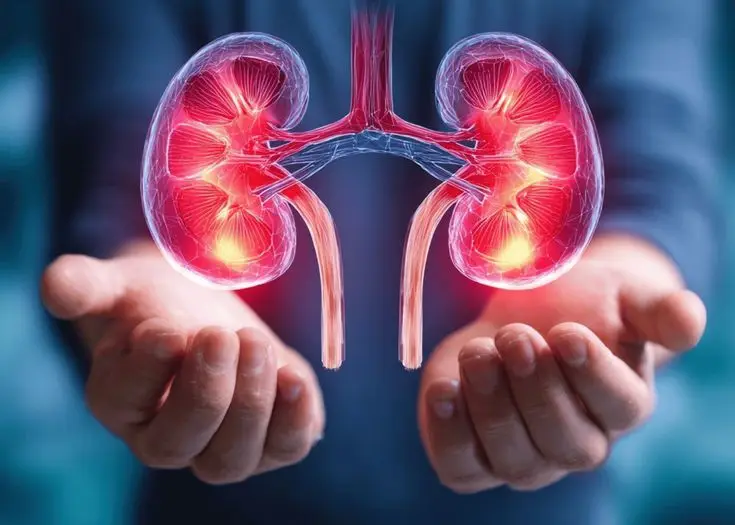
Overview of Kidney Stones
Kidney stones, or renal calculi, are a common health issue that leads to the accumulation of minerals and salts in the kidneys, causing severe pain and potentially hindering the normal functions of the kidneys. Preventing this condition through dietary regulation and the intake of essential nutrients, including potassium, is one of the most important steps to maintain kidney health.
Causes of Kidney Stone Formation
Kidney stones form as a result of the interaction of various factors, including:
- Diet: Consuming foods high in salts, sodium, or proteins increases the risk of stone formation.
- Excess Weight: Obesity and an increased body mass index (BMI) are associated with a higher risk of developing stones.
- Medical Conditions: Diseases such as diabetes and hypertension affect the composition of urine and may increase stone formation.
- Medications: Some medications or supplements may raise the levels of certain minerals in the urine.
Symptoms and Diagnosis
Common symptoms of kidney stones include:
- Severe pain in the back or side: Often intense and sudden.
- Feeling of pressure in the lower abdomen: May lead to discomfort.
- Urination problems: Difficulty urinating or frequent urges to urinate.
- Presence of blood in urine: Appears pink or brown.
Early diagnosis through medical examination is vital to prevent complications and avoid permanent kidney damage.
Treatment of Kidney Stones
The treatment of kidney stones usually depends on the size and location of the stones. Treatment typically includes:
- Increased fluids: Drinking large amounts of water helps to pass the stones.
- Pain management: Through analgesic medications.
- Surgical interventions: In severe cases, such as urinary obstruction or infection, surgery may be necessary.
The Role of Potassium in Reducing Kidney Stone Formation
Potassium is considered an important element in preventing stone formation, playing a role in regulating mineral balance in urine. Studies illustrate some mechanisms by which potassium acts as a facilitator in preventing kidney stones:
1. Reducing Calcium Excretion in Urine
Potassium helps balance calcium levels, with research showing that increased potassium intake reduces calcium excretion in urine, thereby lowering the risk of calcium stone formation.
2. Inhibiting Stone Formation by Regulating Urine Acidity
Potassium citrate, one form of potassium, works to modify urine acidity. Lower acidity makes the environment less conducive to stone formation, especially those resulting from calcium.
3. Improving Urine Flow and Kidney Health
Potassium helps improve urine flow, contributing to the prevention of the accumulation and concentration of minerals that may lead to stone formation.
Insights from Recent Studies on Potassium and Kidney Stones
Studies indicate that low potassium levels are associated with an increased likelihood of stone formation, especially when consuming high amounts of sodium. Research has also shown that potassium citrate not only prevents stone formation but may also help dissolve small stones and reduce their size, facilitating their passage in urine.
Conclusion
Incorporating potassium into the diet is considered an effective strategy for preventing and indirectly treating kidney stones. Improving potassium levels in the diet, along with adhering to a healthy lifestyle, can help reduce symptoms and enhance kidney health. It is always advisable to consult a specialist for appropriate diagnosis and treatment if symptoms of kidney stones appear.