Too Much Vitamin B12: Side Effects, Symptoms, and Safety Precautions
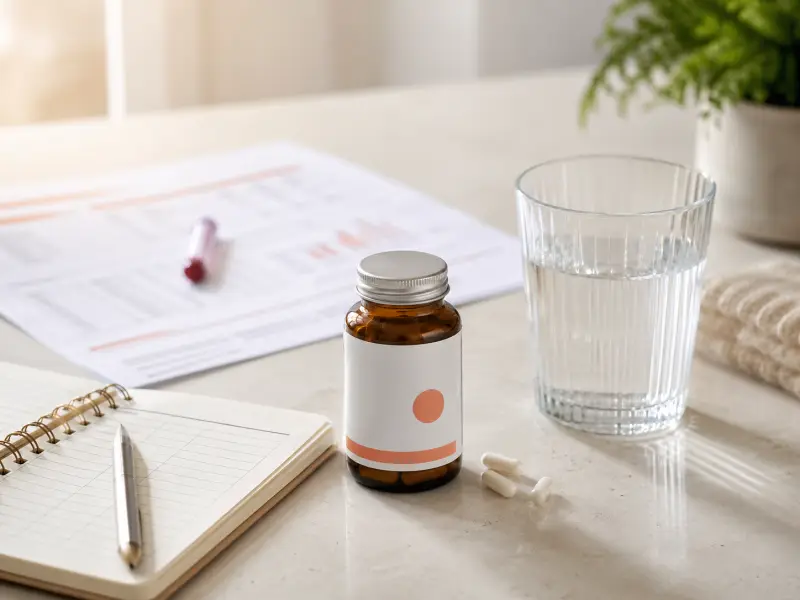
Vitamin B12 is an essential nutrient that supports red blood cell formation, nerve health, DNA production, and normal body functions. Adults usually need only a small amount each day, around 2.4 micrograms, with slightly higher needs during pregnancy and breastfeeding.
However, with the widespread use of supplements, injections, fortified foods, and multivitamins, some people take high doses of vitamin B12 without a confirmed deficiency or clear medical reason. This raises an important question: can too much vitamin B12 cause side effects?
The accurate answer is that vitamin B12 is generally not considered toxic, and no fixed upper daily intake limit has been established because the risk of toxicity is low. Still, this does not mean high doses are necessary for everyone, or that elevated vitamin B12 blood levels should always be ignored, especially if they are persistent or unexplained.
To explore this nutrient in more detail, visit the Vitamin B12 section on Vitaminati for related educational articles.
Quick Takeaways
- Vitamin B12 is generally safe, even at high doses, but unnecessary use is not always beneficial.
- High vitamin B12 blood levels may be caused by supplements or injections, but they may also appear with liver, kidney, blood, or inflammatory conditions.
- There is no clear “vitamin B12 toxicity syndrome” like with some other vitamins, but some people may experience side effects.
- High doses may be useful for treating deficiency, but they are not intended for long-term daily use without follow-up.
- The best approach is to use vitamin B12 based on symptoms, diet, medications, lab results, and professional advice.
When Can Too Much Vitamin B12 Become a Problem?
Under normal conditions, the body handles vitamin B12 in a controlled way. It is a water-soluble vitamin, meaning the body absorbs part of it depending on need and absorption capacity, while extra amounts may be eliminated through urine.
Too much vitamin B12 may become a concern in situations such as:
- Taking high doses every day without a confirmed deficiency.
- Using more than one product that contains vitamin B12.
- Receiving vitamin B12 injections without medical supervision.
- Continuing 500 mcg or 1000 mcg doses for long periods without monitoring.
- Having liver, kidney, or blood-related conditions.
- Finding persistently high vitamin B12 blood levels without a clear explanation.
The concern is not always that vitamin B12 itself is “toxic.” Rather, random high-dose use may hide the real cause of symptoms, lead to unnecessary long-term supplementation, or make elevated blood levels a sign that needs proper evaluation.
Is There a Safe Upper Limit for Vitamin B12?
Unlike some nutrients such as vitamin D, vitamin A, or vitamin B6, vitamin B12 does not have a defined upper intake limit for adults because toxicity risk is considered low. But this point should be understood carefully: no upper limit does not mean that high doses are always needed or better.
The recommended daily intake for adults is only 2.4 micrograms, while many supplements contain 500, 1000 micrograms, or more. These doses may sometimes be used to correct deficiency, but they are not necessarily suitable for long-term daily use without a clear reason.
If you have a confirmed deficiency or symptoms that may suggest low levels, start by reading this guide on vitamin B12 deficiency symptoms, causes, diagnosis, and treatment to understand the difference between a real need for supplementation and unnecessary use.
Possible Symptoms With High-Dose Vitamin B12
There is no fixed, confirmed list of “vitamin B12 overdose symptoms.” However, some people may notice uncomfortable effects when using high-dose supplements or injections, such as:
- Nausea or stomach discomfort.
- Headache.
- Mild diarrhea or bloating.
- Restlessness or difficulty sleeping.
- Skin rash or itching in some people.
- Acne-like breakouts or worsening acne in limited cases.
These symptoms do not automatically prove that someone has taken too much vitamin B12. They may also be related to the supplement form, added ingredients, injections, or another health condition. If symptoms begin after starting vitamin B12, it is best to stop the supplement temporarily and speak with a doctor or pharmacist.
Can Vitamin B12 Cause Acne?
Some people may notice acne-like breakouts or worsening acne after taking high doses of vitamin B12, especially injections. This is not common, but it has been described in dermatology reports and studies.
If acne appears suddenly or worsens clearly after starting vitamin B12, it is better to discuss it with a healthcare professional instead of continuing the same dose, especially if there is no confirmed deficiency or prescription.
Symptoms That Require Stopping the Supplement and Getting Help
Stop using vitamin B12 and seek medical advice promptly if you develop allergic or unusual symptoms after taking a supplement or injection, such as:
- Severe rash or intense itching.
- Swelling of the face, lips, or tongue.
- Difficulty breathing.
- Severe dizziness after an injection.
- Strong palpitations or chest pain.
- Sudden worsening of skin or neurological symptoms.
These symptoms are not common, but they are important, especially when vitamin B12 is used as injections or at medicinal doses.
Is High Vitamin B12 in a Blood Test Dangerous?
High vitamin B12 in a blood test does not always mean there is a serious problem. In many cases, the cause is simple, such as supplements, injections, or a multivitamin that contains B12.
However, if vitamin B12 levels are clearly and persistently elevated, and the person is not taking supplements, the result should not be ignored. Some studies have linked unexplained persistent high vitamin B12 levels with conditions such as liver disease, kidney dysfunction, blood disorders, chronic inflammation, and some cancers.
This does not mean that vitamin B12 causes these diseases. It means that unexplained elevation may sometimes be a sign that deserves follow-up and additional tests. The more accurate message is: unexplained high vitamin B12 needs evaluation, not panic.
Who Should Be Careful With High-Dose Vitamin B12?
Some people should avoid using high-dose vitamin B12 without professional supervision, including:
- People with liver disease.
- People with kidney disease, especially advanced stages.
- People with blood disorders.
- People with cancer or a medical history that requires monitoring.
- Pregnant or breastfeeding women using high doses without medical advice.
- Older adults taking several medications.
- People receiving frequent vitamin B12 injections.
In these cases, supplementation should not be random, because elevated B12 may be related to the supplement itself or to an underlying health issue that needs evaluation.
Important Medication Interactions
Vitamin B12 usually does not “cancel” the effect of medications. However, some medications may reduce its absorption or lower its blood level over time.
Important examples include:
- Metformin, commonly used for diabetes, may reduce vitamin B12 absorption.
- Proton pump inhibitors and acid-reducing medications may affect B12 absorption from food when used long term.
- Some digestive or long-term medications may affect absorption depending on the person’s condition.
If you use metformin or acid-reducing medications for a long time, you may need vitamin B12 monitoring instead of taking high doses randomly.
How Do You Know If You Are Taking More Than You Need?
Many people take vitamin B12 from more than one source without noticing. It may be found in:
- A daily multivitamin.
- A B-complex supplement.
- A separate vitamin B12 supplement.
- Fortified foods or drinks.
- Previous injections or prescribed doses.
Before starting a new supplement, read the label and look for vitamin B12 or one of its forms, such as:
- Cyanocobalamin
- Methylcobalamin
- Hydroxocobalamin
- Adenosylcobalamin
Pay attention to the unit of measurement. Vitamin B12 is usually measured in micrograms, written as mcg, not milligrams, written as mg. The difference between them is very large.
Do High Doses of Vitamin B12 Improve Energy?
Vitamin B12 is important for red blood cell production and nerve function, but taking high doses does not necessarily mean more energy if you are not deficient.
If you feel constantly tired, it is better not to assume that B12 is the only cause. Fatigue may be related to low iron, vitamin D deficiency, poor sleep, thyroid issues, stress, or other health factors.
If you are considering supplementation, you can review this guide to vitamin B12 supplements, benefits, uses, and precautions to understand when they may be useful and when caution is needed.
When Should You Test Vitamin B12?
You may need a vitamin B12 blood test in the following cases:
- You have been using high doses for more than two to three months.
- You developed unexplained symptoms after starting a supplement.
- You take metformin or acid-reducing medications long term.
- You follow a vegan diet or eat very little animal-based food.
- You have absorption problems or a history of stomach or intestinal surgery.
- You previously had an unexplained high vitamin B12 result.
- You have chronic liver, kidney, or blood-related disease.
A healthcare professional may also request other tests alongside B12, such as a complete blood count, liver and kidney function tests, or other markers that help interpret the result.
What Should You Do If You Suspect Too Much Vitamin B12?
If you are using a high-dose supplement and notice unusual symptoms, consider these steps:
- Stop the supplement temporarily if it was not prescribed for a confirmed deficiency.
- Do not double the dose to make up for a missed day.
- Speak with a doctor or pharmacist, especially if you take long-term medications.
- Bring the names of all supplements you use.
- Do a blood test if your healthcare professional recommends it.
- Do not return to high-dose use unless there is a clear reason.
In most cases, if high B12 is caused only by supplements, the level may gradually decrease after stopping the extra source. If it stays high without a clear reason, medical evaluation is needed.
Frequently Asked Questions About Too Much Vitamin B12
Is vitamin B12 toxic?
Vitamin B12 is generally not considered toxic, and no upper intake limit has been established because toxicity risk is low. However, high doses are not necessary for everyone.
Can I take vitamin B12 every day?
Yes, vitamin B12 can be taken daily when needed and at an appropriate dose. Long-term high-dose use is best guided by blood tests or professional advice.
Is 1000 mcg of vitamin B12 dangerous?
It is usually not dangerous and may be used to correct deficiency. However, it is not necessary for everyone and should not be used long term without a clear reason.
Does high vitamin B12 in a blood test mean cancer?
No. High B12 does not automatically mean cancer. It may be caused by supplements, injections, or other reasons. Persistent unexplained elevation should be evaluated by a healthcare professional.
Can vitamin B12 cause insomnia?
Insomnia is not a confirmed effect for everyone, but some people may feel changes in sleep or alertness with high doses. If this happens, discuss dose and timing with a doctor or pharmacist.
Can vitamin B12 cause acne?
It may worsen acne or cause acne-like eruptions in some people, but this is not common for everyone.
Can acid-reducing medications lower vitamin B12?
Yes. Long-term use of some acid-reducing medications may affect vitamin B12 absorption from food, so some people may need monitoring.
Can metformin cause vitamin B12 deficiency?
Metformin may reduce vitamin B12 absorption and lower blood levels in some people, especially with long-term use.
Read More About Vitamin B12
- All Vitamin B12 articles on Vitaminati
- Vitamin B12 deficiency: symptoms, causes, diagnosis, and treatment
- Vitamin B12 supplements: benefits, uses, and precautions
Final Thoughts
Vitamin B12 is essential for blood and nerve health, but using it without a real need or taking high doses for long periods is not always better. Although its toxicity risk is low and no clear upper limit has been established, elevated blood levels or unusual symptoms after use should be taken seriously.
The golden rule is simple: do not use high-dose supplements without a clear reason, do not combine several products that contain B12 without checking the total dose, and do not assume that a high blood result is always a positive sign.
Safe use begins with understanding your real need, reading supplement labels carefully, and testing when needed, especially if you are pregnant, breastfeeding, living with a chronic condition, or taking long-term medications.
Important note: This article is for general educational purposes only and does not replace medical advice. If you are pregnant, breastfeeding, have a medical condition, take medications, or develop unusual symptoms, consult a doctor or pharmacist.
References
- Office of Dietary Supplements, NIH – Vitamin B12 Consumer Fact Sheet
- Office of Dietary Supplements, NIH – Vitamin B12 Fact Sheet for Health Professionals
- EFSA – Summary Report on Tolerable Upper Intake Levels for Vitamins and Minerals
- Scientific Reports – Persistent elevation of plasma vitamin B12 and clinical associations
- PubMed – Vitamin B12-induced acneiform eruption reports