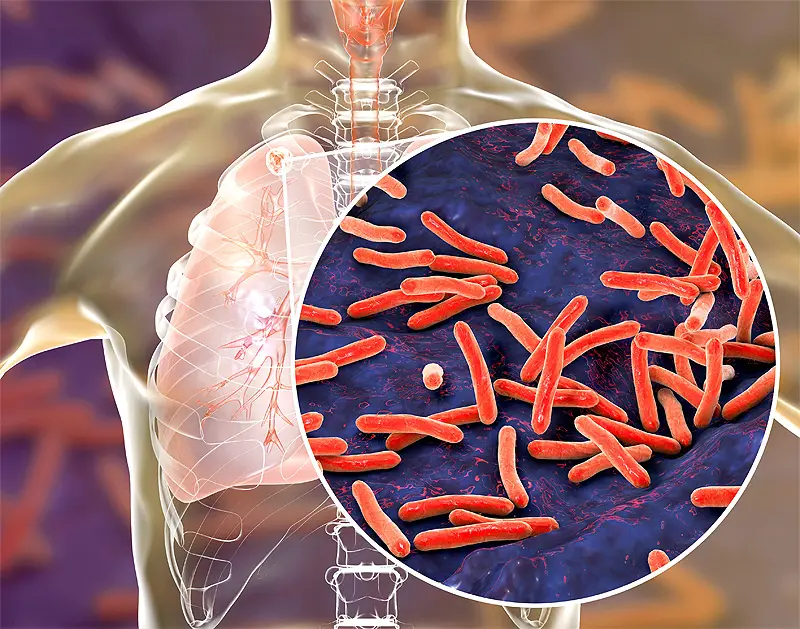
Overview of Tuberculosis
Tuberculosis (TB) is an infectious disease caused by the bacterium
Mycobacterium tuberculosis, primarily affecting the lungs but can spread to other parts of the body such as the kidneys, bones, and brain. The disease is transmitted through aerosol droplets from the mouth or nose of an infected person when they cough or sneeze, but it usually requires prolonged exposure to the patient for transmission to occur. TB is one of the diseases that requires awareness of prevention methods, especially in high-density communities or environments.
Causes and Risk Factors of Tuberculosis
TB is caused by infection with
Mycobacterium tuberculosis, and several factors may increase the risk of infection, including:
- Weakened Immune System: Individuals with diseases such as HIV, diabetes, or chronic kidney disease are at higher risk of contracting TB.
- Living in Crowded Places: Such as living in prisons or shelters, or areas with high infection rates, which facilitates the spread of the disease.
- Smoking and Drug Use: These habits negatively affect lung health, making them more susceptible to infection.
- Poor Nutrition: Malnutrition weakens the immune system, increasing the likelihood of infection.
- Age: The immune system becomes weaker with age, increasing the risk of TB.
Symptoms of Tuberculosis
TB can be latent in the body without symptoms, but when it becomes active, symptoms become apparent. Common symptoms of active TB include:
- Persistent Cough lasting more than three weeks.
- Coughing up Blood or thick mucus.
- Chest Pain when breathing or coughing.
- Unexplained Weight Loss due to decreased appetite.
- Severe Fatigue that affects the ability to perform daily activities.
- Fever and night sweats.
Complications of Tuberculosis if Left Untreated
Without appropriate treatment, TB can lead to serious complications affecting overall health, including:
- Lung Damage: Leading to permanent difficulty in breathing and reduced lung capacity.
- Meningitis: When bacteria reach the brain, which may cause severe headaches and mental disturbances.
- Joint and Spine Damage: Causing chronic pain and difficulty in movement.
- Liver and Kidney Damage: TB may affect these organs and impair their functions.
Prevention Methods for Tuberculosis
Preventing TB requires following some simple measures to reduce the risk of transmission. Key prevention strategies include:
- BCG Vaccination: Used to protect children in high-incidence areas.
- Avoiding Direct Contact: Avoid being around individuals with active TB for extended periods.
- Good Hygiene Practices: Regular hand washing and covering the mouth and nose when coughing.
- Good Ventilation: Ensuring crowded places are well-ventilated to reduce bacterial buildup.
Herbs and Supplements to Support the Immune System Against Tuberculosis
Certain herbs and dietary supplements can support the immune system and help prevent TB, including:
- Garlic: Has antibacterial properties that help resist infections.
- Ginger: Reduces inflammation and soothes the respiratory system.
- Turmeric: Contains curcumin, an antioxidant that helps reduce inflammation.
- Vitamin D and Vitamin C: Boost overall immunity, reducing the risk of symptom exacerbation.
- Zinc: Supports immune health and strengthens white blood cells to fight infections.
Tips for Improving Quality of Life for TB Patients
Following healthy habits helps patients improve their health status and reduce symptom severity. Here are some helpful tips:
- Adhering to Treatment Plan: Following the prescribed treatment from the doctor is essential to eliminate the bacteria and prevent disease progression.
- Balanced Nutrition: Consuming foods rich in vitamins and minerals to support the body's immunity.
- Drinking Sufficient Water: Hydration helps improve body functions and alleviate symptoms.
- Getting Enough Rest: Good sleep is essential for recovery and boosting immunity.
- Avoiding Smoking and Alcohol: Staying away from these habits increases treatment effectiveness and reduces lung deterioration.
The Importance of Early Diagnosis and the Role of Medical Support in Controlling Tuberculosis
Early diagnosis of TB is a very important step in controlling the disease and preventing its spread. Early detection helps start treatment in a timely manner and reduces the chances of complications. It is advisable to visit a doctor regularly and undergo necessary tests such as skin tests or X-rays, which help monitor any developments or health changes.
Conclusion: Managing Tuberculosis Through Prevention and Treatment
TB is a serious disease, but it can be effectively managed through awareness of its causes and symptoms, following a precise treatment plan, and maintaining a healthy lifestyle. By using these preventive strategies and consulting a doctor when needed, patients can improve their quality of life and successfully control the disease.