Turmeric and Curcumin: Anti-Inflammatory Powerhouses?
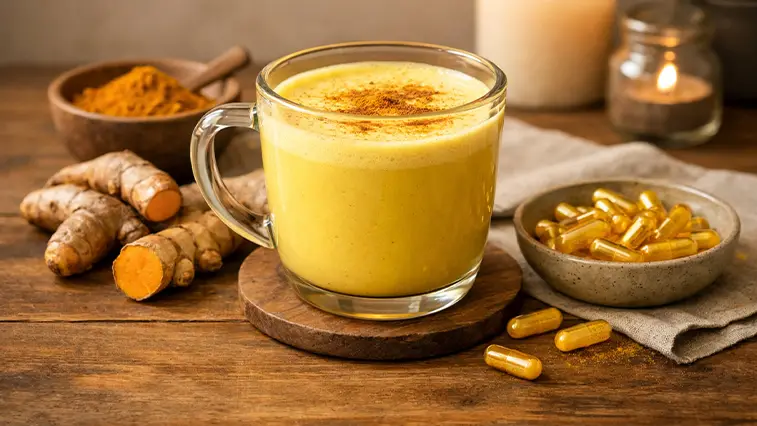
Turmeric and Curcumin: Benefits, Absorption, and Safe Use
Turmeric has been a staple in traditional medicine and Asian cooking for centuries, valued for its golden color, warm flavor, and association with inflammation support and general wellness. Curcumin, the best-known active compound in turmeric, is responsible for much of the scientific interest around this spice.
In recent years, turmeric and curcumin supplements have become popular among people looking for natural support for inflammation, joint comfort, digestion, and overall wellbeing. But what is the difference between turmeric and curcumin? And is it better to use turmeric as a spice or curcumin as a concentrated supplement?
Important note: Turmeric and curcumin do not treat arthritis, cancer, Alzheimer’s disease, depression, or heart disease. They may be supportive parts of a healthy lifestyle, but they should not replace medical diagnosis or treatment.
What Is Turmeric?
Turmeric, scientifically known as Curcuma longa, is a bright yellow spice made from the root of a plant in the ginger family. It is widely used in cooking, especially in curries and Asian dishes, and has long been used in Ayurvedic and traditional Chinese medicine.
Turmeric contains several plant compounds, the most important of which are known as curcuminoids. Curcumin is the most famous of these compounds. For a broader overview, you can read Vitaminati’s Turmeric — Herbal Supplements page.
Potential Health Benefits of Turmeric
1. Inflammatory Balance Support
Turmeric is commonly associated with inflammatory balance, mainly because of curcumin. Research suggests that curcumin may influence inflammatory and oxidative-stress pathways, but its effects depend on the dose, extract type, duration of use, and individual health status.
For this reason, turmeric is best described as a potential support for mild inflammation, not as a direct treatment for chronic inflammation, autoimmune disease, or severe joint pain.
2. Rich in Antioxidant Compounds
Turmeric contains plant compounds that may help counter oxidative stress, which occurs when free radicals exceed the body’s ability to manage them. Oxidative stress is linked with aging and several chronic disease processes.
Still, antioxidants do not work alone. Real support requires a balanced diet rich in vegetables and fruits, good sleep, physical activity, and reduced exposure to smoking and excess sugar.
3. Joint Comfort and Daily Mobility Support
Turmeric is widely used for joint comfort, especially in people with stiffness or mild discomfort during movement. Some recent clinical reviews suggest that turmeric or curcumin products may improve knee pain and function in some people with knee osteoarthritis, but results vary by product and formulation.
If joint support is your main goal, you can read Vitaminati’s article on turmeric for joints and daily mobility.
4. Brain and Mood Support: Promising but Not Proven
Curcumin is studied for its possible effects on inflammation, oxidative stress, and some nervous-system pathways. This is why it is sometimes discussed in relation to brain health and mood.
However, there is not enough evidence to consider turmeric or curcumin a way to prevent Alzheimer’s disease or treat depression or anxiety. Brain health also depends on sleep, exercise, social connection, nutrition, and management of chronic conditions.
5. Digestive Support
Turmeric has traditionally been used to support digestion and reduce heaviness after meals. Some people tolerate it well as part of food, but high doses or concentrated supplements may cause stomach upset, reflux, nausea, diarrhea, or constipation.
Readers interested in herbal drinks related to digestion can review Vitaminati’s article on the best herbal teas for stress, digestion, and immunity.
What Is Curcumin?
Curcumin is the best-known active compound in turmeric and is responsible for much of turmeric’s yellow color and potential biological effects. However, it is not the only compound in turmeric; turmeric also contains oils and other plant compounds that may contribute to its overall effect.
The main challenge with curcumin is its low bioavailability, meaning the body does not absorb it easily when taken alone. This is why black pepper or specialized formulations are often used to improve absorption.
Potential Health Benefits of Curcumin
1. Mild Inflammation and Joint Support
Curcumin is the most studied turmeric compound in relation to inflammation. Some clinical studies show promising results in knee osteoarthritis and some mild-to-moderate pain conditions, but the best dose, formulation, and duration still need more clarity.
2. Heart and Metabolic Health Support
Some research suggests that curcumin may support markers related to heart and metabolic health, such as inflammation, oxidative stress, and possibly certain blood lipids. However, it should not be used instead of blood pressure, cholesterol, or diabetes medications.
If you take chronic medication, consult a healthcare professional before using curcumin supplements, especially enhanced-absorption formulas.
3. Curcumin and Cancer: What Should Be Said Accurately?
Curcumin is studied in laboratory and clinical research because of its potential effects on inflammation and cell growth. However, there is not enough evidence to prove that curcumin prevents or treats cancer.
Curcumin should not be used as an alternative to cancer treatment or as a guaranteed prevention method. If you have cancer or receive chemotherapy, radiation, immunotherapy, or targeted therapy, ask your oncologist before using curcumin supplements.
4. Mood and Mental Wellbeing Support
Some studies suggest curcumin may have a role in mood support in certain people, possibly through inflammation and oxidative-stress pathways. However, it should not be considered a treatment for depression or anxiety.
If mental health symptoms are persistent or affect daily life, medical or mental health evaluation should come first.
5. Indirect Immune Support
Curcumin may support inflammatory balance and antioxidant defense, both of which influence immune health. Still, it is not accurate to say that curcumin directly “boosts immunity” or prevents infections.
For immune support, start with fundamentals such as sleep, balanced nutrition, vitamin D, vitamin C, zinc, and iron when needed. You can read Vitaminati’s article on the role of vitamins in immunity.
Turmeric vs. Curcumin: Which Is Better?
| Factor | Turmeric | Curcumin |
|---|---|---|
| What it is | The whole spice from the plant root | An active compound extracted from turmeric |
| Best use | Everyday food and cooking | Targeted supplement use when appropriate |
| Concentration | Contains a lower percentage of curcumin | Provides a higher dose of the active compound |
| Absorption | Relatively low | Improved with black pepper or advanced formulations |
| Safety | Generally safe in food amounts | Requires more caution, especially at high doses |
Bottom line: Turmeric is suitable as part of everyday cooking, while curcumin supplements may be more concentrated but require greater awareness of dose, interactions, and product quality.
Why Is Turmeric Combined With Black Pepper?
Black pepper contains piperine, and a well-known study found that adding piperine to curcumin can significantly increase curcumin bioavailability. This is why many curcumin supplements contain black pepper extract.
However, better absorption is not always better for everyone. Higher absorption may also increase the chance of side effects or medication interactions in some people, especially those using blood thinners, diabetes medications, or other regular drugs. For more, read Vitaminati’s article on why turmeric and black pepper are combined in supplements and recipes.
How to Add Turmeric and Curcumin to Your Diet
- Golden milk: A warm drink made with turmeric, milk or a plant-based alternative, and spices such as cinnamon and ginger.
- Turmeric tea: Prepared with ginger and lemon, ideally without excess sugar.
- Everyday cooking: Add turmeric to soups, rice, curries, eggs, lentils, or cooked vegetables.
- Smoothies: Add a small amount of turmeric to smoothies, especially with healthy fats such as yogurt or nut butter.
- Curcumin supplements: Used when a concentrated dose is needed, but professional advice is recommended if you take medications or have a chronic condition.
If your goal is safe use, it is also important to review Vitaminati’s article on turmeric side effects and usage precautions.
Precautions Before Using Turmeric or Curcumin
- Blood thinners: High-dose turmeric or curcumin may increase bleeding risk in some people, especially with warfarin, aspirin, clopidogrel, or NSAIDs.
- Diabetes medications: Curcumin may affect blood sugar, so caution is needed with glucose-lowering drugs.
- Gallbladder and bile duct problems: Turmeric supplements may not be suitable for some people with gallstones or bile duct obstruction.
- Pregnancy and breastfeeding: Turmeric as a food spice is different from concentrated supplements. High doses or supplements should be avoided unless medically approved.
- Stomach problems: High doses may cause nausea, reflux, diarrhea, constipation, or digestive upset.
- Liver safety: Rare liver injury reports have been linked to some turmeric or curcumin supplements, especially enhanced-absorption products. Stop use and seek medical advice if jaundice, dark urine, severe abdominal pain, or unexplained fatigue occurs.
- Product quality: Choose high-quality supplements that clearly state curcumin dose, formulation type, black pepper content, and quality testing when available.
Conclusion
Turmeric is one of the most recognized wellness spices, while curcumin is its most studied compound. They may support inflammatory balance, joint comfort, antioxidant defense, and digestion, but they are not treatments for chronic diseases or replacements for medication.
For everyday use, turmeric as a food spice remains a simple and useful option. Concentrated curcumin supplements, especially those with black pepper or enhanced-absorption formulas, require more caution and professional guidance when medications, pregnancy, liver or gallbladder disease, or chronic health conditions are involved.
FAQs About Turmeric and Curcumin
What is the difference between turmeric and curcumin?
Turmeric is the whole root or spice, while curcumin is an active compound inside turmeric. Curcumin is more concentrated in supplements but is poorly absorbed when taken alone.
Does turmeric treat inflammation?
It is not a medical treatment, but it may support inflammatory balance. Chronic inflammation or ongoing pain requires medical evaluation.
Is turmeric good for joints?
It may support joint comfort in some people, especially mild to moderate knee osteoarthritis, but results vary by product, dose, and condition.
Why is black pepper added to curcumin?
Black pepper contains piperine, which may increase curcumin absorption. However, this may also increase the risk of drug interactions in some people.
Are curcumin supplements safe?
They may be safe for many people when used appropriately and short term, but they may cause digestive symptoms, interact with medications, and have rarely been linked with liver problems.
Can curcumin prevent cancer?
There is not enough evidence to prove that curcumin prevents or treats cancer. It should not replace medical care or be used during cancer treatment without oncologist approval.
What is the best daily way to use turmeric?
For most people, the best way is to add moderate amounts to food, such as soups, curries, cooked vegetables, and lentils. Concentrated supplements require more caution.
Scientific References
- NCCIH: Turmeric — Usefulness and Safety
- National Cancer Institute: Curcumin and Cancer
- PubMed: Piperine and Curcumin Bioavailability
- PMC: Improving Curcumin Bioavailability
- PubMed: Curcumin Therapy for Knee Osteoarthritis
- NCBI LiverTox: Turmeric
- Therapeutic Goods Administration: Turmeric/Curcumin and Liver Injury Risk
Medical disclaimer: This article is for general educational purposes only and is not a substitute for medical or pharmaceutical advice. If you are pregnant, breastfeeding, have liver or gallbladder disease, take blood thinners, diabetes medications, or regular medications, or receive cancer treatment, consult a healthcare professional before using turmeric or curcumin supplements.