Turmeric and Curcumin: Anti-Inflammatory Powers?
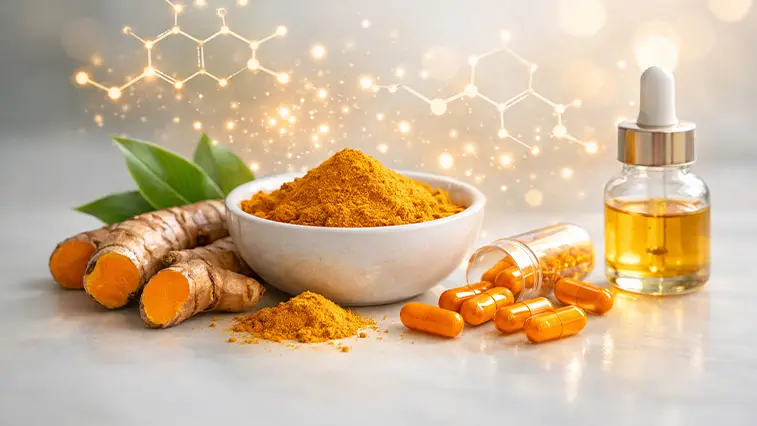
Overview of Turmeric and Curcumin
Turmeric has been a staple in traditional medicine for centuries, known for its powerful anti-inflammatory and antioxidant properties. Most of its health benefits are attributed to its active compound, known as curcumin.
With increasing scientific research confirming its benefits, turmeric has become a popular choice for those seeking natural solutions to support joint health, reduce inflammation, and enhance overall well-being.
But how effective is it? And how can you benefit from it? Let's find out.
What is Turmeric?
Turmeric (Curcuma longa) is a type of spice with a bright yellow color, extracted from the root of a plant belonging to the ginger family.
It has been used for centuries in Ayurvedic and Chinese medicine to treat digestive issues, skin diseases, and inflammation.
Health Benefits of Turmeric
-
Powerful Anti-Inflammatory:
Curcumin reduces chronic inflammation associated with diseases such as arthritis and heart disease. -
Effective Antioxidant:
Turmeric helps combat free radicals and oxidative stress, reducing aging and protecting against diseases. -
Supports Joint Health:
Studies have shown that turmeric may alleviate symptoms of osteoarthritis and rheumatoid arthritis. -
Enhances Brain Function:
Curcumin may improve memory and cognition, reducing the risk of diseases like Alzheimer's. -
Improves Digestion:
Supports digestive health and alleviates bloating and indigestion.
What is Curcumin?
Curcumin is the primary active compound in turmeric, responsible for its color and therapeutic effects.
However, turmeric contains only 3-5% of curcumin, so concentrated supplements are preferred for full benefits.
Health Benefits of Curcumin
-
Reduces Inflammation: Beneficial in conditions such as arthritis and inflammatory bowel syndrome.
-
Protects the Heart: Improves vascular function and reduces the risk of heart disease.
-
Anti-Cancer: Some studies suggest it limits the growth of cancer cells.
-
Supports Mental Health: May reduce symptoms of depression and anxiety.
-
Boosts Immunity: Strengthens the immune system and helps resist infections.
Turmeric or Curcumin: Which is Better?
-
Turmeric contains several active compounds and provides comprehensive health benefits.
-
Curcumin in supplements offers a concentrated dose and greater efficacy.
✅ Best Advice:
Taking turmeric with black pepper (which contains piperine) increases curcumin absorption by up to 2000%.
Ways to Incorporate Turmeric into Your Diet
-
Golden Milk: A warm drink made from turmeric, milk, and spices.
-
Turmeric Tea: Made by steeping turmeric with ginger and lemon.
-
Dietary Supplements: Concentrated curcumin capsules for faster results.
-
Daily Cooking: Add turmeric to soups, curries, and smoothies.
Important Precautions
-
Turmeric may interact with blood-thinning medications or diabetes medications, so it is advisable to consult a doctor before use.
-
Large doses may cause digestive disturbances.
-
Choose high-quality supplements containing black pepper or liposomal formulation to enhance absorption.
Conclusion
Turmeric and curcumin are among the most powerful natural remedies due to their benefits in fighting inflammation and promoting overall health.
Whether you add it to your food or take it as a supplement, incorporating turmeric into your daily routine is a simple yet effective step towards a healthier life.
Turmeric Benefits: The Golden Spice for Better Health Reliable Sources
🔗 For more health information, visit Vitaminati.
📩 Would you like to share a guest article? Explore "Health and Wellness + Submit a Guest Post" opportunities today!